Bruce Springsteen Ignites Minneapolis with a Powerful Prince Tribute as The Vending Lot Unveils a Definitive E Street Band Merch Collection

Bruce Springsteen Ignites Minneapolis with a Powerful Prince Tribute as The Vending Lot Unveils a Definitive E Street Band Merch Collection

‘Your Friends & Neighbors’ Returns This Friday: Jon Hamm’s Dark Comedy Expands Its Grip in Season 2, Streaming on Sunset via Apple TV+

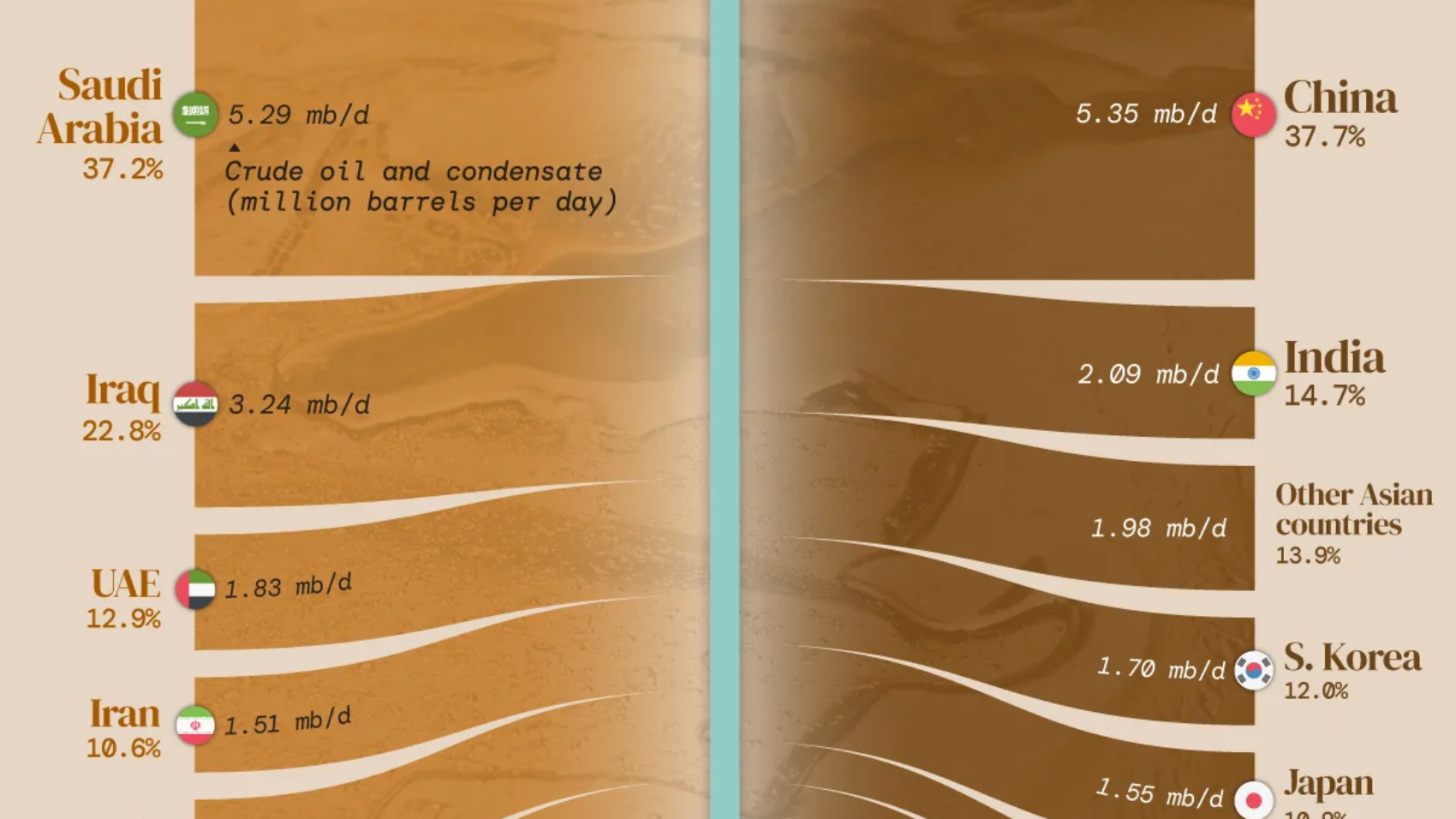
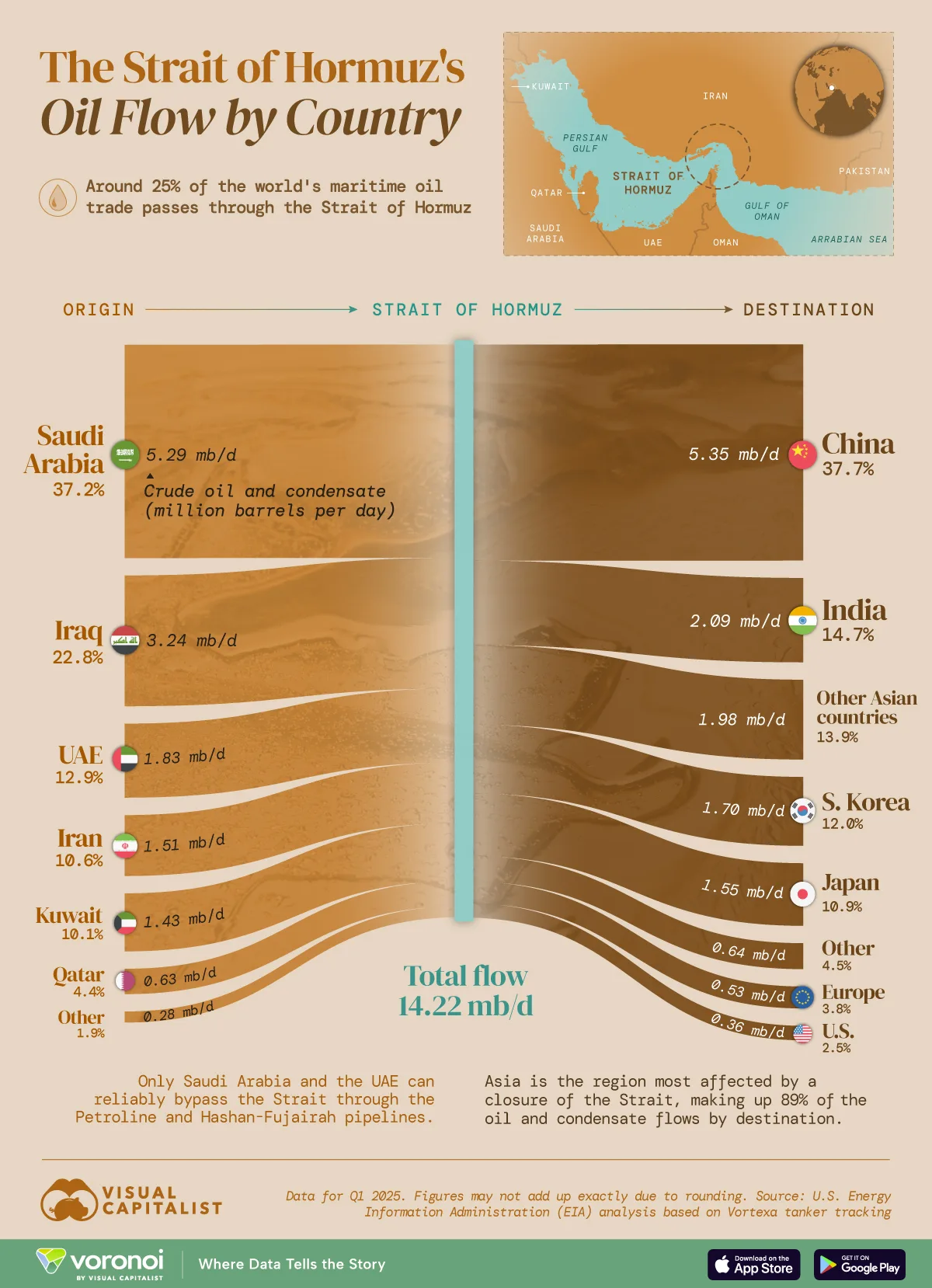
The Deafening Silence Around America’s Oil Dependence—and Why the Conversation We’re Not Having Matters More Than Ever


A Defining Week Across Wildlife, Justice, Water Policy, and the Rising Power of Global Activism


New Jersey Reacts as National Polls Signal Sharp Decline in Presidential Approval and Reshape the State’s Political Landscape


New Jersey’s role as a cultural and community-driven hub continues to expand in meaningful ways as Fort Lee prepares to host a high-impact event
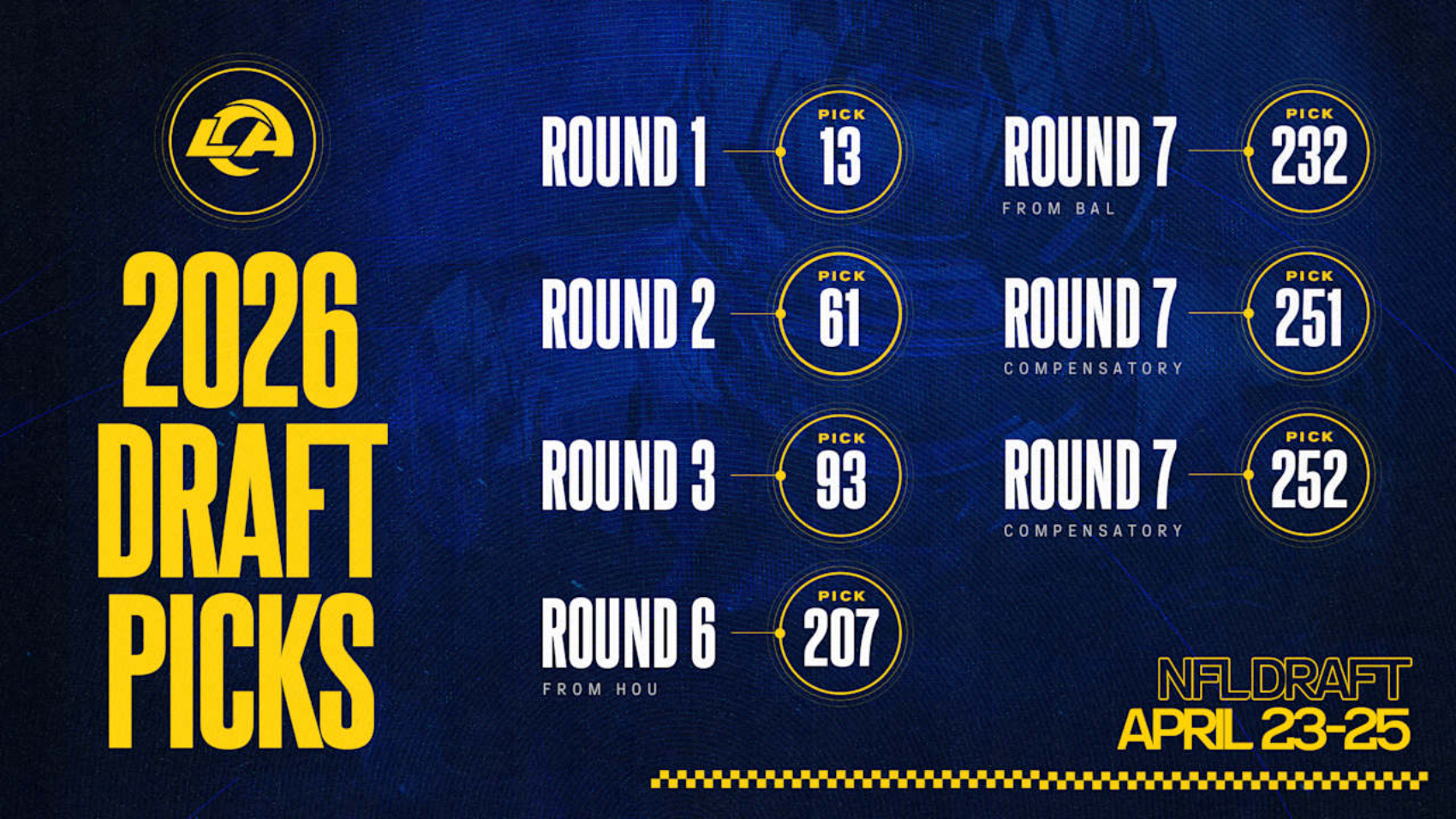
I am anxious to talk about the Rams right now, and it is not coming from hype or reacting to what is being said publicly. It is coming from the fact that when you actually sit down and look at this team, not through mock drafts or recycled takes, but through the depth chart, the usage of players, and the direct words coming from Sean McVay, the picture is very different from what is being pushed. I have no interest in repeating what others are saying. I want to analyze this team for what it actually is, because what I see is not lining up with what is being projected, especially when it comes to the draft.
The current conversation around the team includes familiar elements, a circulating rumor being revisited, a wave of draft projections, and the usual layering of outside interpretation. But when you strip all of that away and focus on the Rams themselves, specifically their depth chart, their recent personnel usage, and what McVay is actually saying, the evaluation becomes much more direct. I am going to dissect all of it.
The most immediate issue is not the draft. It is the quarterback room behind Matthew Stafford, and the possibility that the Rams bring in Kirk Cousins is not being treated seriously enough for what it actually represents. The way McVay has addressed it does not sound like speculation. It sounds like intent, or at the very least, a very real option that is being considered.
“I think Jimmy’s working through his process right now. Would love to be able to have him,” McVay said on ProFootballTalk. “There’s some other guys that are out there, but we do need to be able to add another guy into that room, and that’s something that we’re looking at. Obviously, people make some of the connections with Kirk, and if it doesn’t work out with Jimmy, that’s definitely something that – Kirk is as influential as anybody in helping me get to LA in the first place. I know he’s got some other options and some other suitors, but Jimmy and Kirk are guys that I would love to be able to have back with us.”
That is not a throwaway comment. That is a coach identifying two very specific paths. At the NFL Annual Meeting, he made it even clearer.
“And I don’t have a perfect answer for you. We think about it. What does that look like?” McVay said. “Hey, I’d love to have Jimmy Garoppolo back with us. That’s a big deal for us. He’s earned the right to be able to take his time and do whatever he wants. Is there an opportunity to explore, if it’s not Jimmy, (like) Kirk Cousins? Of course. I’d love to be able to be able to see what that looks like. So those are two guys we’ve talked about.”
“I genuinely don’t know that,” McVay said. “I don’t know that. I would say, at this point, when there hasn’t been a decision, it feels less likely than likely, but I don’t want to rule that out.”
“Those are things that we’re very interested in possibly exploring, but again, it’s really premature,” McVay said. “I know Kirk has some other options and opportunities as well, but he’s a guy that I have familiarity with, history and a lot of reverence for because of the gratitude from our experiences together.”
“But we also have to be prepared that if this is the last year, what does that look like as well?” McVay said.
That is the full context, and it matters because this is not just about who backs up Stafford. It is about what happens if the season does not go according to plan at the most important position on the field. In that scenario, there is a clear difference between what Kirk Cousins provides and what Jimmy Garoppolo currently represents. Cousins has the ability to operate a high-level offense within structure, and more importantly, he can run the same system in the same way. The timing, the reads, the mechanics, everything lines up with how Stafford plays the position. That is not a small detail. That is the difference between maintaining an offense and having to adjust it midseason.
I want to make a more subtle point here, though, because when you are backing up a quarterback like Matthew Stafford, who typically stays healthy, you are not playing. That is the reality of the role. I have this opinion in my head that Garoppolo just takes it easy and hangs loose, when that is not a thing when you never play a down every year. It can come across as lazy, even though it is not really laziness. We Ram fans rarely see the backup on the field, and the expectation is that Stafford will continue to be available, which makes evaluating that position more complicated.
Ironically, I like Stetson Bennett in that role, but the coaching staff does not appear to view it that way and is clearly leaning toward either bringing back Jimmy Garoppolo as the No. 2 or adding someone else. There is an argument to draft a quarterback for that spot, but I question whether there is a true successor in this draft, which I have said for weeks. And if you cannot get a true Number 2 and/or a successor, it is not worth picking a quarterback at Number 13. We would need someone to deliver at a high level right away. No offense to anyone, but if the choice is between Jimmy and Kirk Cousins, I would take Cousins for the next couple of years. At that point, the team is likely going to need two quarterbacks anyway, even if Stetson develops.
Garoppolo is not a bad quarterback at all, but at this point, it is fair to question where he is in terms of urgency and performance. I have to presume that he wants to start or at least have a chance to start this year.
That brings the focus to the roster itself, which is where the real evaluation begins. This is where I separate completely from the way people are talking about the draft, because I am not evaluating college players first. I am evaluating what the Rams already have, and what they actually need.
Starting with special teams, this is not a dominant unit, but it is not a weakness either. It is functional, and it can be effective if it performs consistently. Harrison Mevis handles the kicking duties, Ethan Evans is both the punter and holder, and Joe Cardona steps in as long snapper. The return game is clearly defined with Xavier Smith as the primary option and Jordan Whittington right behind him, with additional depth from Ronnie Rivers and Blake Corum. That is already structured. It is not something that needs to be rebuilt. It is something that needs to execute. There is also the factor of development, with second-year players like Konata Mumpfield potentially taking a step forward, which matters more than people want to acknowledge. These are the areas where diamonds in the rough are born.
Offensively, beyond quarterback, the structure is already in place. Kyren Williams leads the running back group, with Blake Corum, Ronnie Rivers, and Jarquez Hunter providing depth. That is a stable position group. At tight end, the Rams are in a strong position with Colby Parkinson, Tyler Higbee, Terrance Ferguson, and Davis Allen. That is not just depth. That is a group where multiple players could start across the league, and within this system, it provides flexibility.
At wide receiver, this is where the conversation gets distorted. Puka Nacua and Davante Adams are the top two. That is established. Behind them, you have Jordan Whittington, Xavier Smith, and Konata Mumpfield. The third receiver role is open, but the assumption that it must be filled with a high draft pick ignores what is already on the roster. Xavier Smith contributes in the return game and has not been fully utilized offensively. Whittington operates in a similar space, both as a receiver and a returner. So the real question is not whether a wide receiver can be added. The question is whether a rookie, immediately, is going to be better than the players already filling those roles.
That is where the projections start to lose weight for me. USC’s Makai Lemon continues to be linked to the Rams.
“Makai Lemon earned the distinction of being named college football’s top wide receiver as the 2025 Biletnikoff Award winner, and he did all his damage just down the road from the NFC runner-up Rams in Los Angeles,” Garrett Podell wrote. “Lemon could push into the top 10, though his size and a viral combine press conference have created some variability in where he may land. Neither figures to matter to (Rams head coach) Sean McVay and (general manager) Les Snead, who pair Lemon with Puka Nacua and Davante Adams as part of an ‘all-in’ 2026 season.”
Jordyn Tyson is another name that continues to come up.
“All-Pro receiver Puka Nacua isn’t going anywhere, but Davante Adams is 33 years old,” Arthur wrote. “Tyson, a first-team All-Big 12 selection, can be groomed as a long-term WR2 for the Rams.”
That is fine as projection, but it does not answer the real question. Are those players stepping in on day one and outperforming Smith or Whittington in all phases, including special teams? That is not guaranteed. And using a top pick on that assumption carries weight that people are not acknowledging.
And then there is Carnell Tate, who is not being talked about in the same way as Lemon for some reason (keep in mind that some of these players could have already agreed with teams, and I do not have direct access to know those things), but still sits firmly within that first-round conversation depending on how the board falls. He is generally projected to go higher than No. 13, in the range of around No. 7, but he is also the type of player who could slide depending on how the draft unfolds, which is really the point. That possibility alone puts him in play if he is still available. Tate brings a different profile compared to some of the other receivers being projected. He has size, body control, and the ability to win in contested situations, which translates well to the Rams, especially in structured passing offenses. He is not necessarily defined by elite top-end speed, but his route pacing, hands, and ability to position himself against defenders make him effective in ways that do not always show up in raw measurables.
The real question, again, comes back to fit and immediate impact. If you are looking at the Rams’ current wide receiver room with Puka Nacua and Davante Adams already established, along with depth pieces like Jordan Whittington and Xavier Smith contributing in multiple roles, you have to ask whether Tate steps in on day one and clearly elevates that group. That is not a knock on Tate as a prospect, but rather a reflection of how the Rams currently distribute responsibilities at the position.
If he is there at No. 13, even though he is projected higher, the value might align if he slides, but it still has to be weighed against other areas, particularly along the offensive line, where the margin for error has been much thinner and the impact of a single injury has historically been far more disruptive.
The offensive line is where the real issue exists, and it has been consistent. The starting unit of Alaric Jackson, Steve Avila, Coleman Shelton, Kevin Dotson, and Warren McClendon Jr. is capable. The problem is not the starting five. The problem is what happens when one of them goes down, because that has been the pattern for years.
The 2022 season was the clearest example, with three different starting centers in five weeks and constant reshuffling across the line. That instability led directly to performance issues, including heavy pressure on Stafford and inconsistent protection.
Then, Warren McClendon Jr. represents the other side of that reality. Early in his career, he struggled with penalties, timing, and overall technique at a time when he had to step up. By 2025, he developed into one of the most efficient pass-blocking tackles in the league, allowing pressure on just 2.94 percent of his snaps and committing only one penalty across 667 snaps. That progression matters, do not get me wrong, but it does not eliminate the need for depth behind everyone.
The D.J. Humphries situation in 2025 reinforced that issue. Forced into the lineup, he struggled with consistency and timing. Two penalties in a critical game wiped out 75 yards of offense and erased a touchdown by Puka Nacua. That is how thin the margin is on the offensive line. One player goes down, and the entire structure can break.
That is why focusing on offensive line depth, including prospects like Francis Mauigoa, carries more weight than adding another receiver.
Francis Mauigoa is one of the most complete offensive line prospects in the 2026 NFL Draft, and unlike projections that lean on upside alone, his evaluation is grounded in proven production against high-level competition. A three-year starter at Miami, he played a major role in anchoring the Hurricanes’ offensive front, including their run to the College Football Playoff National Championship game. At 6-foot-5½ and 329 pounds, he brings a powerful, well-balanced frame with the kind of core strength and contact balance that translate immediately to the NFL level.
What stands out most in Mauigoa’s game is how technically sound he already is. He can operate in both the run and pass game, showing the ability to handle different types of rushers and a variety of pass-rush moves. His footwork, anchor, and hand placement allow him to stay controlled in protection, while his strength at the point of attack makes him effective in the run game. As Lance Zierlein noted, “He has good contact balance and a strong core. He delivers firm first contact but excessive leaning diminishes not only his leverage and sustain as a run blocker but also his ability to deal with spin counters when protecting. He’s good at trapping rushers at the turn and can smother their momentum. He has the footwork, anchor and punch timing to diversify his pass-set approach. He works with an innate feel for pocket depth and is rarely out-paced to the top by speed.”
From a projection standpoint, Mauigoa offers immediate value. He has been widely viewed as one of the top offensive line prospects in the class, with the flexibility to play tackle or slide inside if needed, depending on team structure. That versatility matters for teams that cannot afford instability along the offensive line, because he is not just a developmental piece; he is someone who can step in and contribute right away at multiple positions.
“The Rams are all in for another Lombardi Trophy run,” Davis wrote. “Mauigoa offers immediate help on the offensive line.”
Then, Kadyn Proctor is one of the most physically imposing and complete offensive line prospects in the 2026 NFL Draft, and he fits exactly the type of profile teams look for when they are trying to stabilize a front that cannot afford breakdowns. At 6-foot-7 and over 350 pounds, he brings rare size combined with legitimate athleticism, which is what separates him from standard tackle prospects. He proved that immediately at Alabama, starting all 14 games at left tackle as a true freshman in 2023 and earning SEC All-Freshman honors, before a brief transfer to Iowa following Nick Saban’s retirement and then a quick return to Alabama prior to the 2024 season.
By his junior year in 2025, he had fully developed into one of the most dominant linemen in the country, earning Consensus All-American honors, winning the SEC Jacobs Blocking Trophy, and being named First-Team All-SEC. His production backed it up, posting an 85.4 PFF grade, which ranked ninth among all qualified offensive tackles nationally. What makes Proctor even more unique is that Alabama trusted him in multiple roles, including “Krispy Package” gadget plays, where he recorded an 11-yard reception and even carried the ball five times, showing a level of mobility that is uncommon for a player of his size.
At the combine, he reinforced that profile by setting a record for players over 350 pounds with a 32.5-inch vertical jump. He declared early for the 2026 NFL Draft and is widely projected as a first-round selection, with some evaluations placing him in the top 5 to top 15 range. He has already taken top-30 visits with teams like the Kansas City Chiefs and Philadelphia Eagles.
If still around, there is Spencer Fano that has established himself as one of the premier offensive line prospects in the 2026 NFL Draft, with a profile that consistently places him in the early portion of the first round. As of late March 2026, he is widely viewed as a top-15 selection and, in some evaluations, a legitimate contender to be the first offensive lineman taken off the board. That positioning is not based on projection alone, but on a combination of high-level production, athletic profile, and positional versatility. Major analysts have reinforced that standing, with Mel Kiper Jr. ranking him No. 11 overall on his Big Board, Matt Miller projecting him to the Los Angeles Rams at No. 13 overall in a full seven-round mock draft, and Scouts Inc. grading him as the No. 9 overall prospect with a 90/100 evaluation. Additional projections from Pro Football Network and Yahoo Sports place him firmly in the top 10 to top 15 range, with some scenarios pushing him even higher depending on team needs.
Fano’s rise is anchored in a dominant 2025 season at Utah, where he earned unanimous All-American honors, won the Outland Trophy, and was named Big 12 Offensive Lineman of the Year. Across 12 starts at right tackle, he allowed zero sacks and just five total pressures, which speaks directly to both his consistency and technical discipline in pass protection. His experience is not limited to one side of the line, either, as he started at left tackle in 2023 before transitioning to the right side in 2024 and 2025. That positional flexibility increases his value, particularly for teams that prioritize and are in need of adaptability across the offensive front.
From a scouting standpoint, Fano’s game is built on elite athleticism, refined hand usage, and a high football IQ that allows him to process and react quickly against complex defensive looks. His 4.91-second 40-yard dash underscores his movement ability, especially in space, which translates well to both pass protection and second-level blocking. The primary concern centers on arm length, measured at 32 1/8 inches at the combine, along with a leaner frame compared to traditional NFL tackles. Because of that, some teams project him as a long-term tackle, while others believe he could transition inside to guard or even center, depending on scheme and physical development. Regardless of where he ultimately lines up, Fano offers immediate impact potential with the technical foundation and athletic traits to contribute early in his career.
Same goes with, Monroe Freeling who has rapidly emerged as one of the most intriguing offensive line prospects in the 2026 NFL Draft, with his combination of size, movement ability, and long-term upside pushing him firmly into first-round consideration and, in many projections, into the top 10. Following a standout 2025 season at Georgia and a highly publicized performance at the NFL Scouting Combine, his draft stock has accelerated to the point where he is now viewed as a legitimate candidate to be the first offensive tackle selected. As of late March 2026, major analysts have consistently placed him in the top half of the first round, with Mel Kiper Jr. projecting him as high as No. 6 overall to the Cleveland Browns, while other projections, including those from Matt Miller, place him slightly later in the first round. The broader consensus across outlets is that Freeling is a “Round 1 lock,” with most evaluations landing him somewhere between picks 6 and 20, depending on team needs and draft-day movement.
What separates Freeling from many of his peers is an athletic profile that stands out even among elite offensive line prospects. At 6-foot-7 and 315 pounds, he recorded a 4.93-second 40-yard dash at the combine, one of the fastest times among offensive linemen, along with a 33.5-inch vertical jump. Those numbers contributed to a 9.99 Relative Athletic Score, one of the highest ever recorded for a player at his position. That level of athleticism translates directly to his ability to mirror pass rushers, cover ground laterally, and function effectively in space, all of which are critical traits for a blind-side protector at the next level.
Freeling’s on-field performance in 2025 supports that projection. As Georgia’s starting left tackle, he earned Second-Team All-SEC honors while allowing just two sacks and eight total quarterback pressures over the course of the season. His length and movement skills give him the foundation to handle speed off the edge, and scouts consistently point to his “prodigious upside” as one of the defining aspects of his evaluation. At the same time, there are areas that still require development. With only 18 career starts, his experience level is relatively limited, and there are stretches where his run blocking lacks consistency and his play strength needs to improve. Because of that, some evaluators view him as a high-ceiling prospect who may require refinement early in his career. Comparisons to former Georgia tackle Broderick Jones reflect that trajectory, a player whose athletic traits translated quickly once his technique and strength caught up to his physical profile.
That aligns more directly with what this roster actually needs.
Defensively, the structure is in place. Kobie Turner, Poona Ford, and Braden Fiske anchor the line, with Byron Young and Jared Verse on the edges. The linebackers and secondary are set with defined roles and depth behind them. The reality on that side of the ball is not about rebuilding. It is about adding one more high-level impact player, particularly a fast edge presence, and continuing development across the unit. There is very little room for error, because the depth is what it is, but the core is strong.
There is also a very real scenario developing at the top of this draft that directly impacts what could be sitting there at No. 13, and it starts with the overlap in projections around Arvell Reese, David Bailey, and Rueben Bain Jr. Multiple analysts have different players slotted into that same top-two to top-five range, which means, by definition, one of these players is going to fall further than expected.
Arvell Reese is widely projected to be one of the very first players selected in the 2026 NFL Draft, with most evaluations placing him firmly in the top five and, as of March 30, 2026, positioning him as a strong favorite to go No. 2 overall to the New York Jets. His standing at the top of the board reflects a rare combination of physical traits, production, and versatility. At the same time, David Bailey is also being mocked as high as No. 2 overall in multiple projections, including placements with the Jets, while other projections have him going at No. 3, No. 4, or No. 8. That alone creates a conflict at the very top of the board. Both players cannot go No. 2, and once that starts to shift, the entire structure of the draft changes behind it.
Rueben Bain Jr. adds another layer to that situation. While he is most consistently projected in the 8–12 range, there is also legitimate momentum from some evaluators suggesting he could rise into the top two or top five based on his production and overall profile. That creates a scenario where three high-end defensive players are being discussed within the same range, but only a limited number of slots actually exist there.
When you break each of them down individually, the reason for that overlap becomes clear. Reese is a rare athlete at linebacker, measuring 6-foot-4, 241 pounds and running a 4.46 forty, with the versatility to play multiple roles, whether as an off-ball linebacker or a hybrid edge presence. Bailey brings elite edge explosiveness, backed by 14.5 sacks and 19.5 tackles for loss, along with a 4.50 forty and a refined pass-rush arsenal that allows him to win immediately. Bain, meanwhile, offers a different kind of dominance, built on power, leverage, and technique, with 54 tackles, 15.5 tackles for loss, and 9.5 sacks, along with a 92.5 PFF grade that ranks among the best in the country.
All three players are being valued at the top of the draft for legitimate reasons, but the reality is that draft boards never fall cleanly. When multiple players are projected in the same narrow range, one of them almost always slides. That is the situation here. If teams prioritize positional need differently, or if quarterbacks shift the order at the top, or if one team reaches for a different profile, it only takes a few changes for one of these players to fall out of the top ten.
That is where this becomes directly relevant to the Rams. If any one of Arvell Reese, David Bailey, or Rueben Bain Jr. is still on the board at No. 13, that is not a situation to overthink. That is a situation where you take the player, immediately, because all three bring a level of defensive impact that is far more difficult to find than filling secondary needs elsewhere on the roster.
There is also a legitimate dark-horse scenario to consider with Keldric Faulk, who is one of the more polarizing edge prospects in this class. Unlike the top-tier names, Faulk is generally projected to fall later in the first round, most commonly landing somewhere between picks 20 and 30, which means he is highly likely to still be available when the Rams are on the clock at No. 13. Some projections have placed him as high as that range, but more recent evaluations show him sliding due to questions about his pass-rush production.
The evaluation on Faulk comes down to what a team is prioritizing. On one hand, he is arguably the best run-defending edge in the class, backed by an 85.5 PFF run-defense grade, and he brings rare size and athletic traits at 6-foot-6 and 285 pounds, including a 35-inch vertical at the combine. He also offers versatility, with the ability to play as a traditional edge or slide inside in certain packages. On the other hand, there are real concerns about his pass-rush ceiling. His sack production dropped from 7.0 in 2024 to just 2.0 in 2025, and there are questions about his bend and overall pass-rush plan, which has led some evaluators to view him as more of a developmental player than a finished product.
That creates a very different decision point compared to Reese, Bailey, or Bain. Faulk may be available, and he may fill a role immediately, particularly against the run, but at No. 13, the value has to be weighed carefully. If the Rams are looking for a high-floor player who can contribute right away and develop over time, he fits. But if one of the higher-impact defensive players slides into that range, the priority shifts quickly, because those are the types of players who can change the structure of a defense immediately.
As far as definite needs, the offensive line is clearly the best scenario when you set aside everything else, because the Rams should be able to get one of the players mentioned here. Those are instantly impactful players who can fit in on day one. And from what I see and hear, they all look awesome as players.
Remember, though, everyone right now has the Rams picking Lemon or a wide receiver.
One very last thing to keep in mind is that if the Rams do something in free agency or make a trade, which is not out of the question for this team, that would obviously change everything we have talked about here, like it did after the cornerbacks were added this year.
That is the full picture. The Rams are not a team that needs to be overhauled. They are a team that needs to reinforce specific areas. The quarterback room, the offensive line depth, and I think we need one more boost on defense, while the writers and others have us picking a wide receiver at No. 13.
Corporations Are People, My Friend
Sunset Daily NewsExplore New Jersey
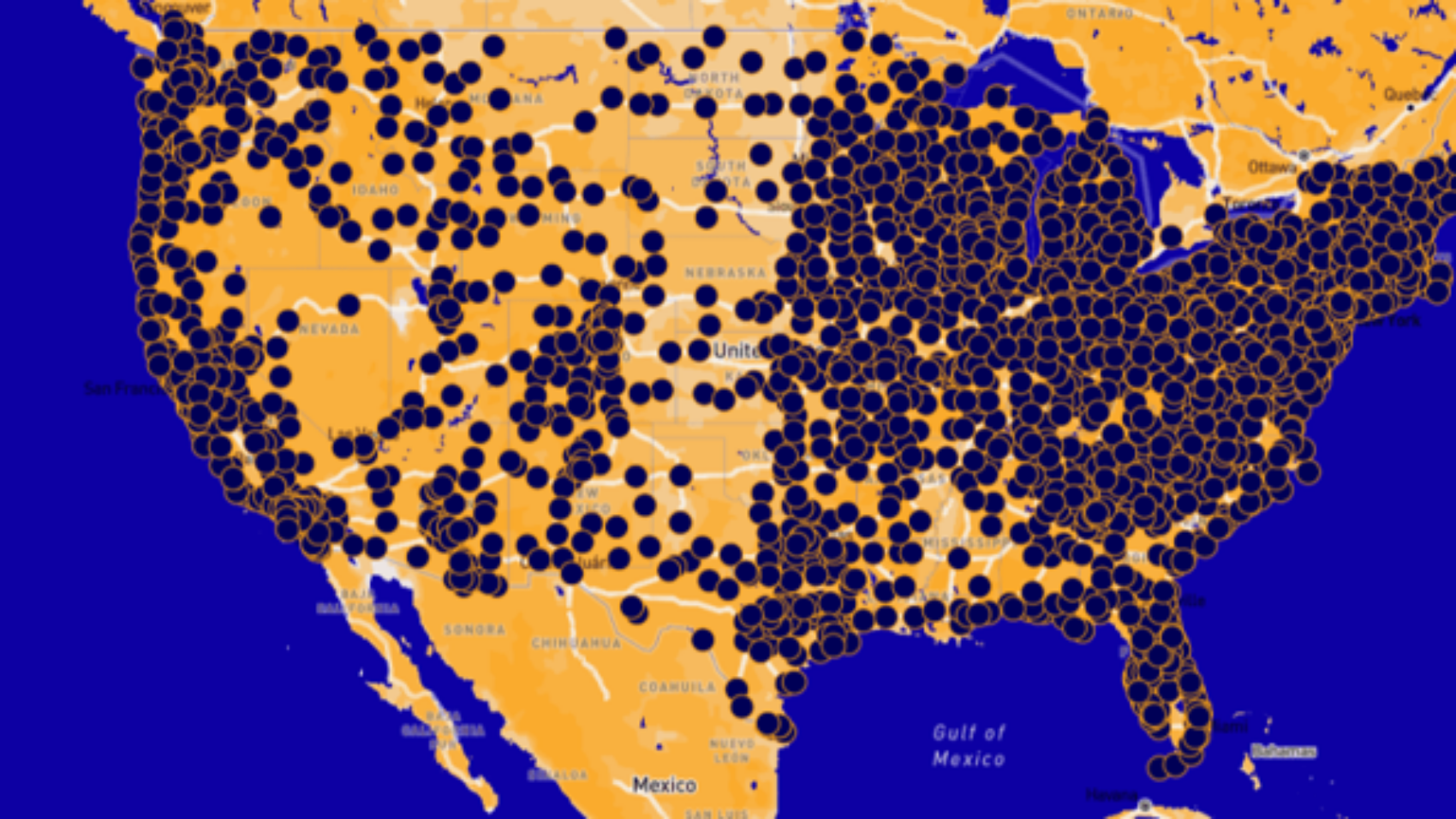
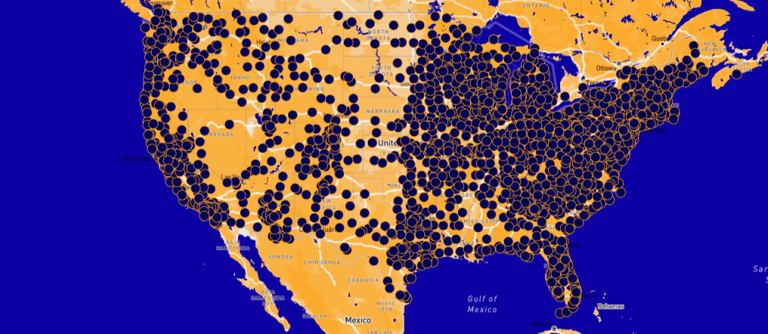
You know that saying in sports—and even at work—that you’re only as strong as your weakest player or person?
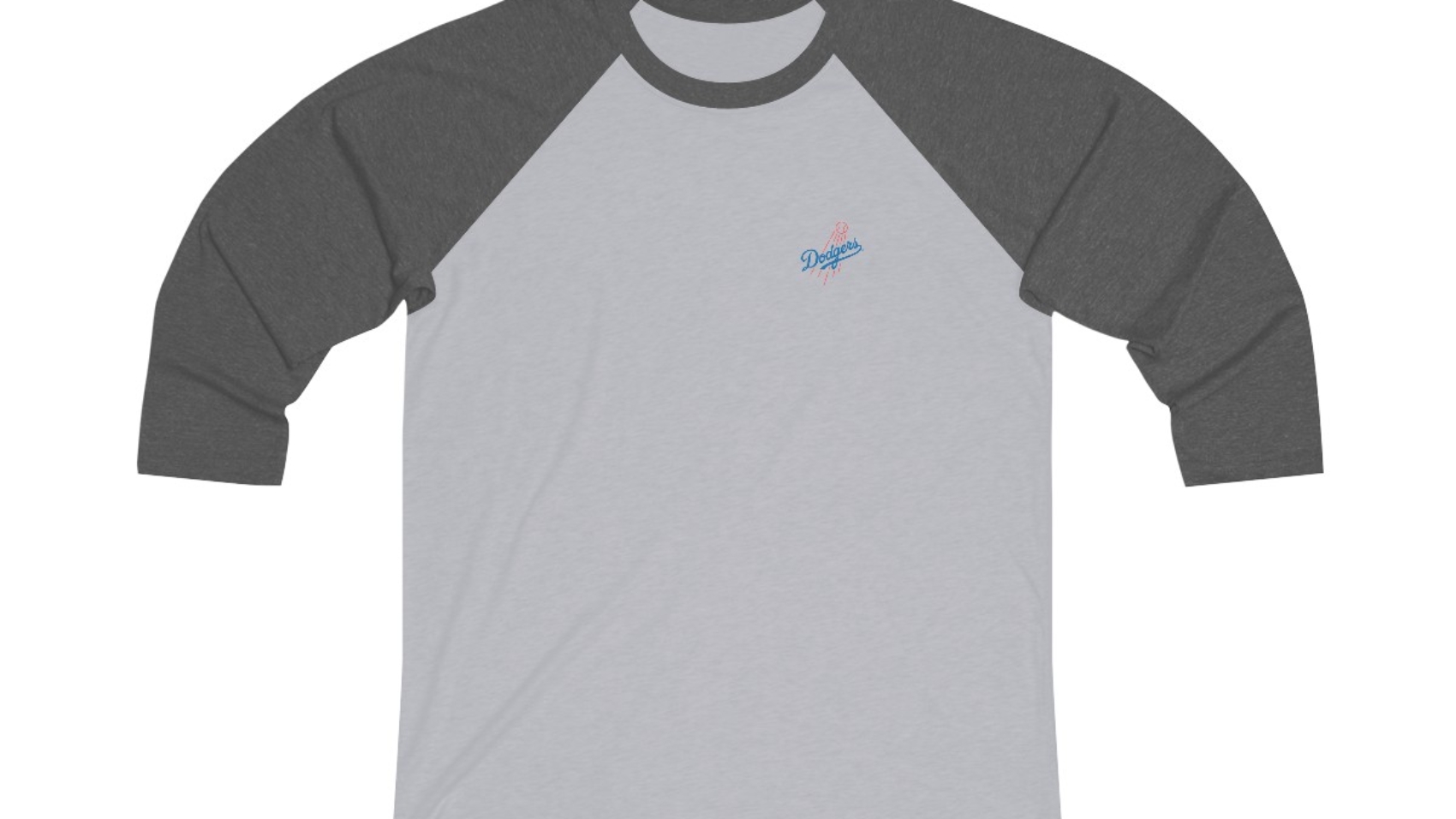
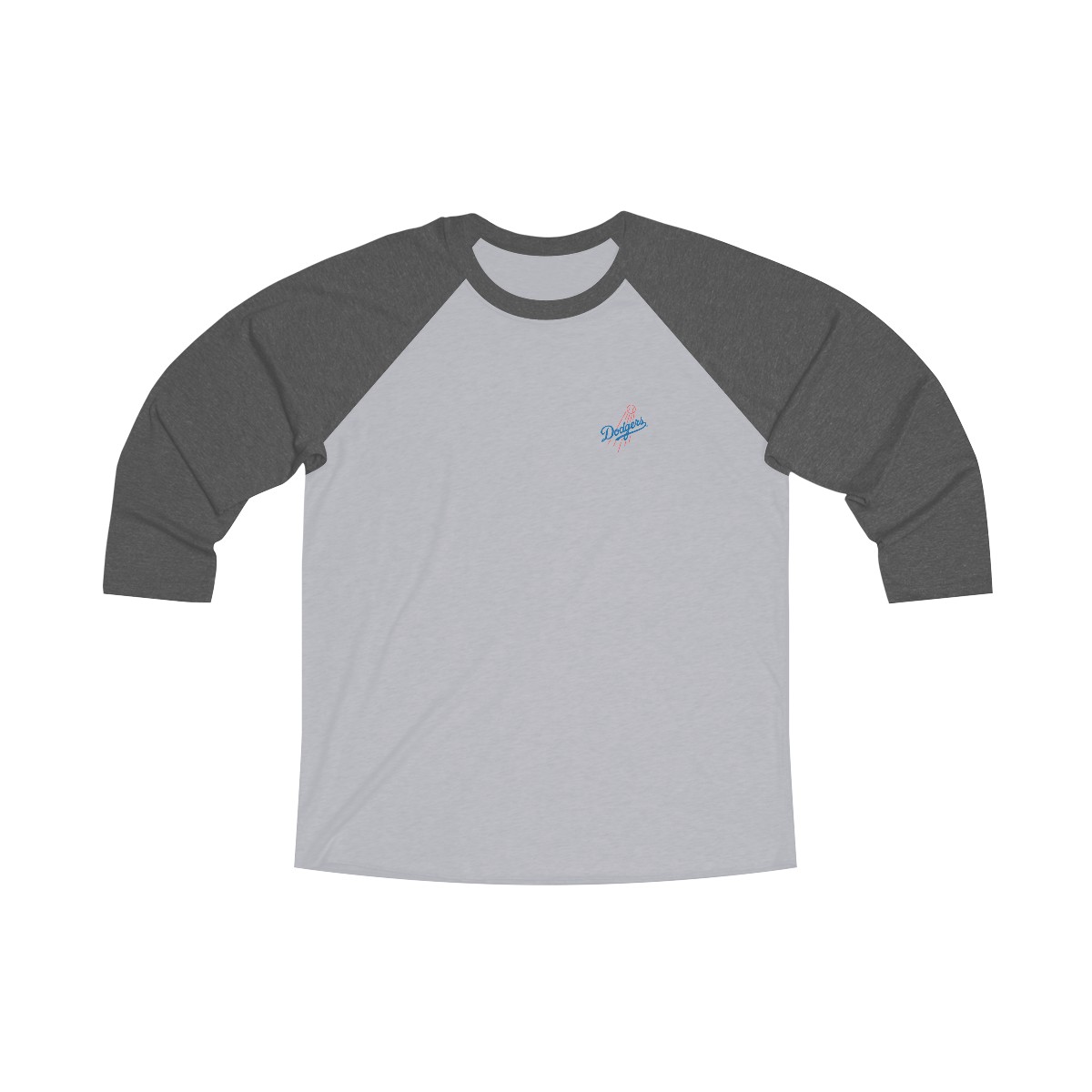
MLB 2026 Opening Weekend Ignites a New Era—and Pro Merch Delivers the Definitive Fan Collection to Match