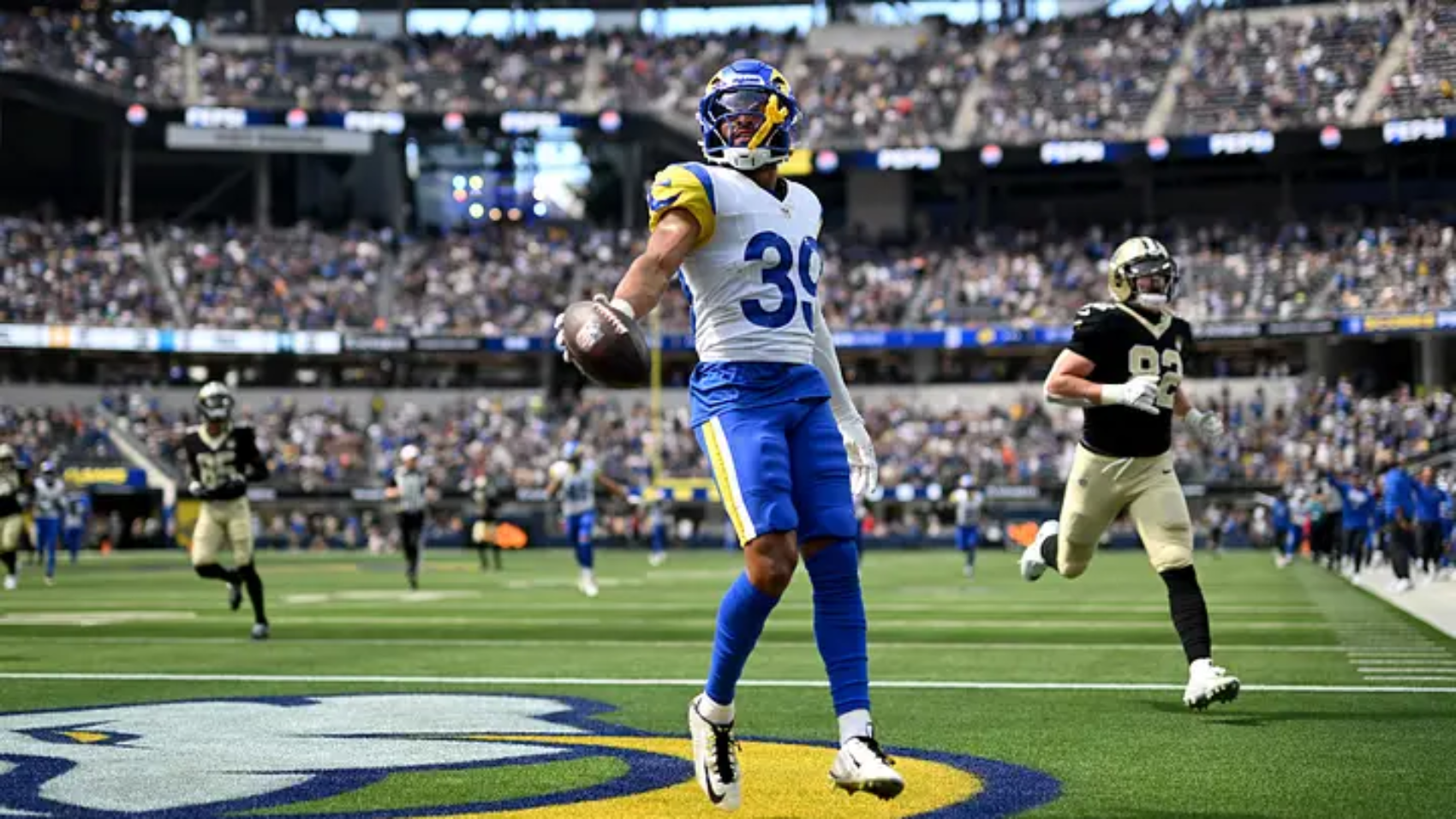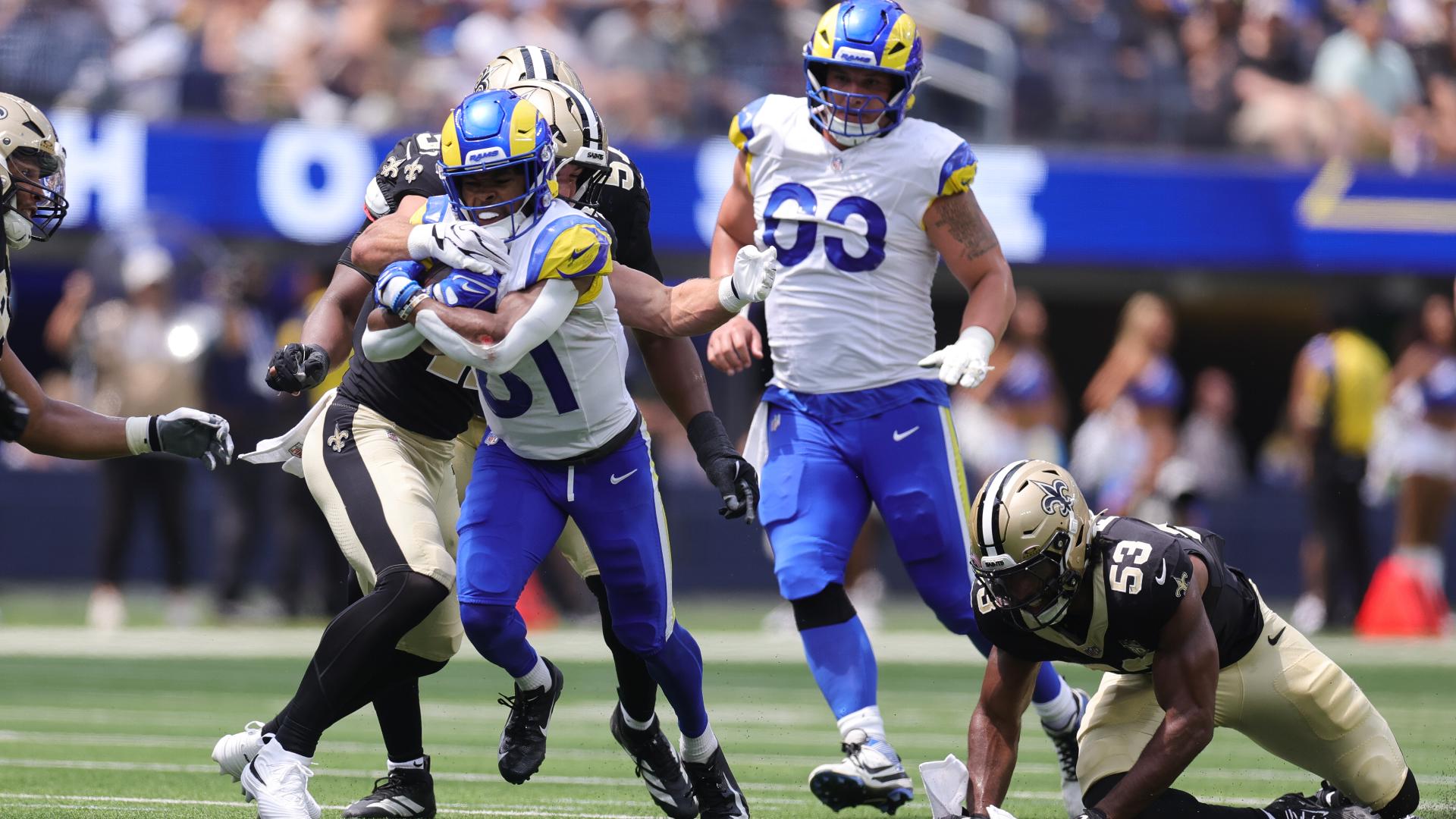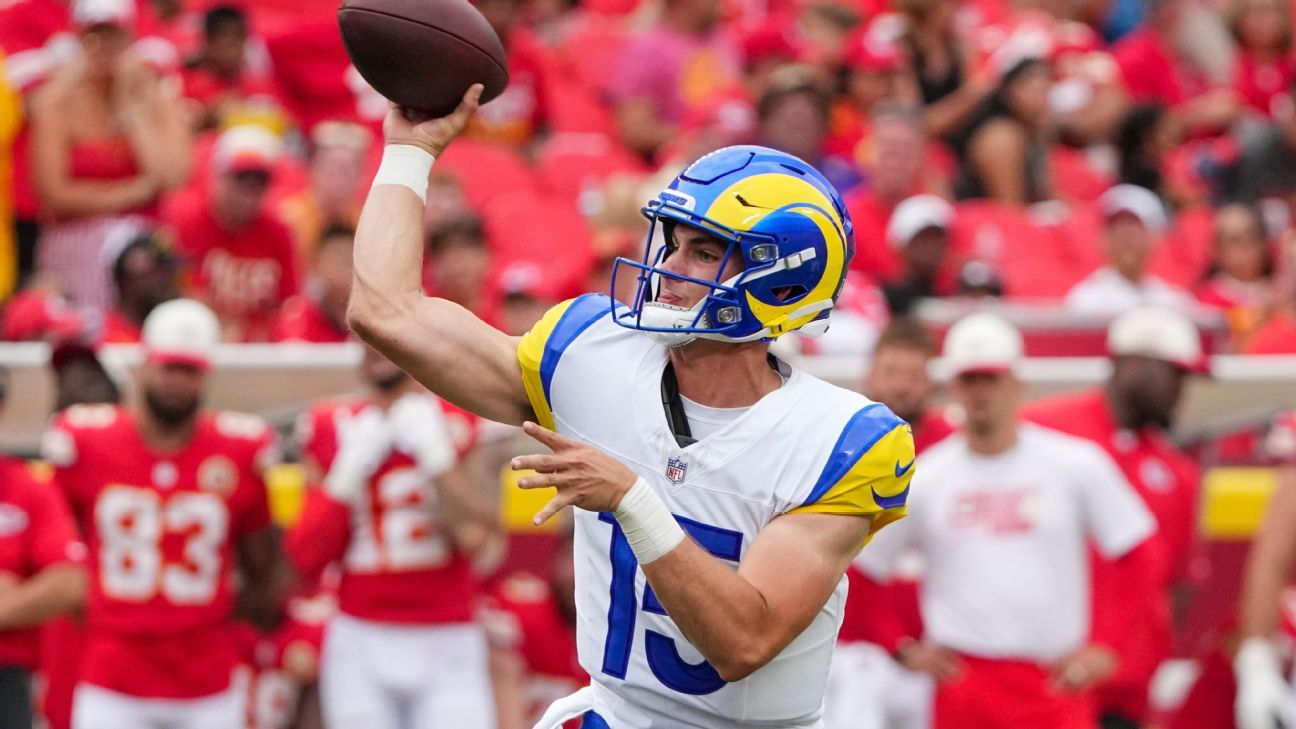
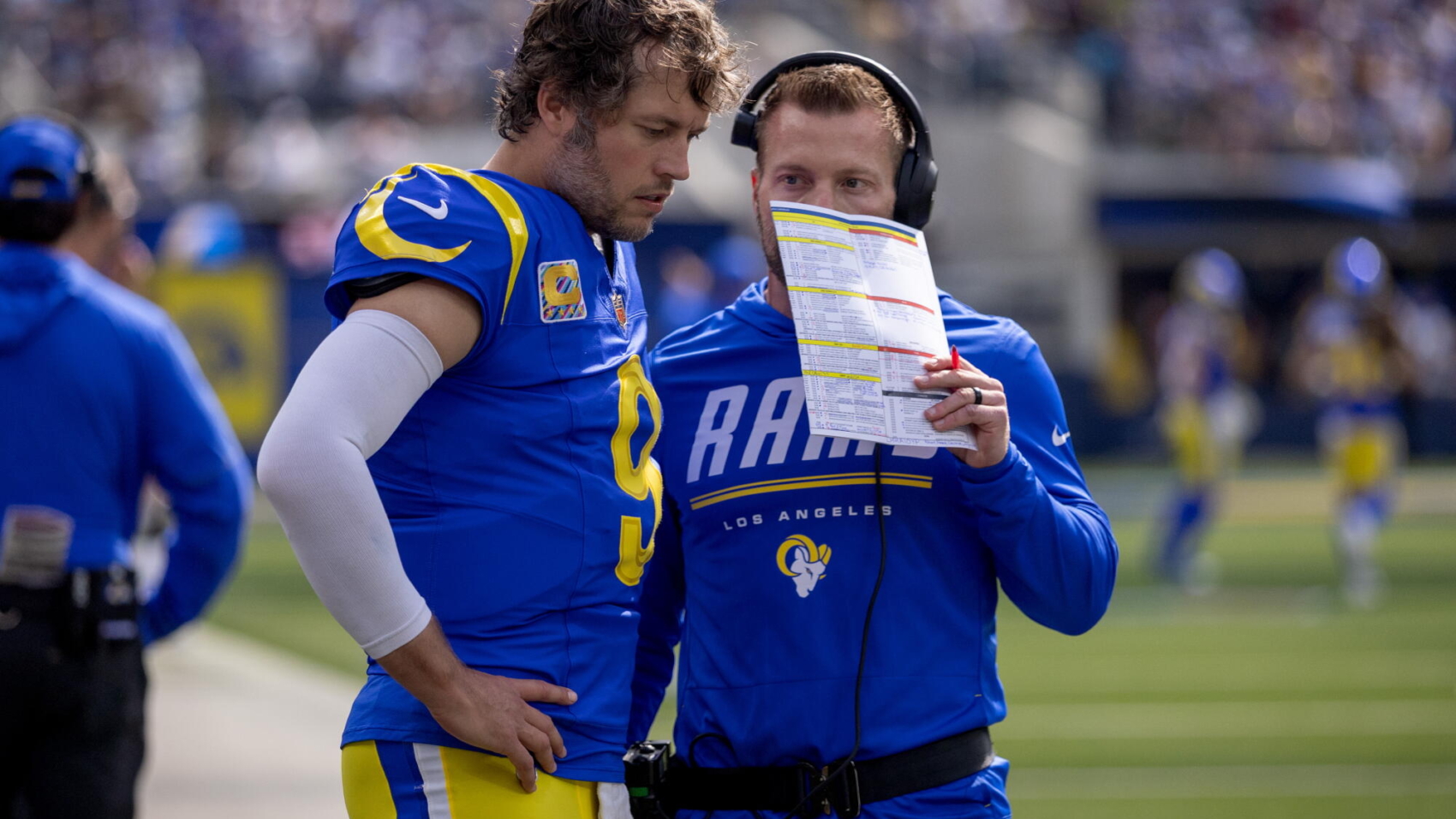
The Rams are in some serious trouble today, and it is not just because of the constant losses every week.
WEEK 6 RECAP · NFC WEST
Rams Fall to Cardinals 18-16 at SoFi Stadium in Another Abysmal Game
The Rams are in some serious trouble today, and it is not just because of the constant losses every week.
The Rams are in some serious trouble today, and it is not just because of the constant losses every week. The team just looks awful on every cylinder. I do not think much is working this year. I do not think there has been any coherency at all this year. I have problems with the overall coaching. I have had issues with regard to play calling. I have great problems with the front office this year. There has not been any sense of urgency all year. Training camp was off this season. The first game was a complete debacle, and we honestly have not been able to get back on course, outside of some signs of brilliance this year.
Yesterday was not a game we could not lose. It is incredible that the defense was considered to have done well yesterday. They do not play well. I am sorry. Allowing offenses to go 40 to 60 yards every set of downs and then stopping them inside the 20 is not doing well. It is the opposite of doing well or playing well. The offense is just way off kilter. The running game is almost good. The passing game is very much eh this year. There is literally nothing that is working.
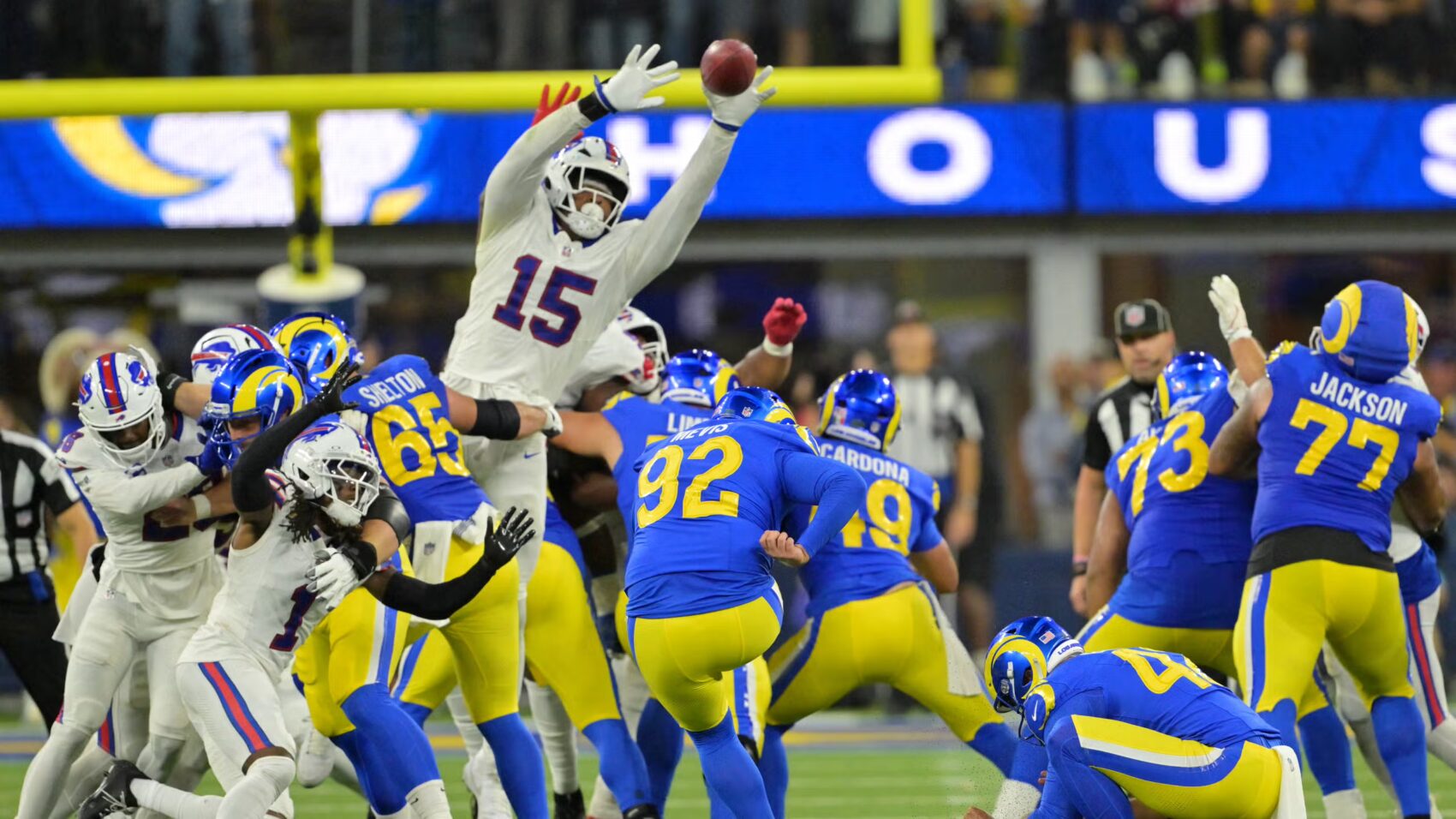
Most of all, did our new special teams coach, or any coach, not relay to our new kicker, who is my weight and I think an inch or two smaller than me, not to try to knock some tight end-looking guy out of bounds? The last thing they should be doing, unless it is the final play of the game and the other team is going to score, is getting involved in the play. Besides, the special teams have been godawful for years now, let alone this year. You cannot be letting returners through, for fuck’s sake. It is not the kicker’s job to tackle people. The only reason a kicker or punter is involved in plays is that the special teams screwed up yet again, letting the player run for 40 to 70 yards.
I knew going into the game that it would a bit hard to watch. It was.
Overall, Coach McVay is being outcoached by every coach, let alone the ones he worked with, like Mike LaFleur, the coach of the Arizona Cardinals. He was our offensive coordinator until this year.
Yesterday’s game was not fun to watch. None of these games this year have been fun to watch.
THE NUMBER THAT SAYS IT ALL
Set aside that incredibly horrible call at the end of the game that indeed set up the final field goal, our first penalty was not until the 13-minute mark in the third quarter. That was when the Cardinals had the ball for the first eight minutes plus of the second half. That is right, the Rams did not see their first offensive snap until there were less than eight minutes remaining in the third quarter.
That is hard to do. Think about that, and at the same time, stop trying to convince me that the Rams’ defense is doing well this year. They are not. Any defense that allows an offense to keep the ball for more than eight minutes straight is failing.
Let alone the coaching is just off. Were we not allowed to call for a review on that last penalty and btw, if you consider the only ways we progressed this week was because we did not have a penalty well into the third quarter is pathetic. Going from 31 penalties in the last three games to the amount had yesterday is not a victory of any sort.
The Arizona Cardinals ended up beating the Rams 18-16 on that final field goal by Chad Ryland, therefore both teams now are set at 2-4 with the Cardinals now a game ahead because of this win. Arizona’s defense did well in many ways. They were in on Matthew Stafford more times than not with Rams getting 16 points on 286 yards of offense is weak.
The Cardinals were the 12.5-point underdogs heading into this game at SoFi and they ended up winning the game without any touchdowns while scoring on what were six field goals. Ryland was actually 6 for 6 without a miss.
The Cardinals won without a single touchdown. Six field goals. That’s the whole story of this offense right now.
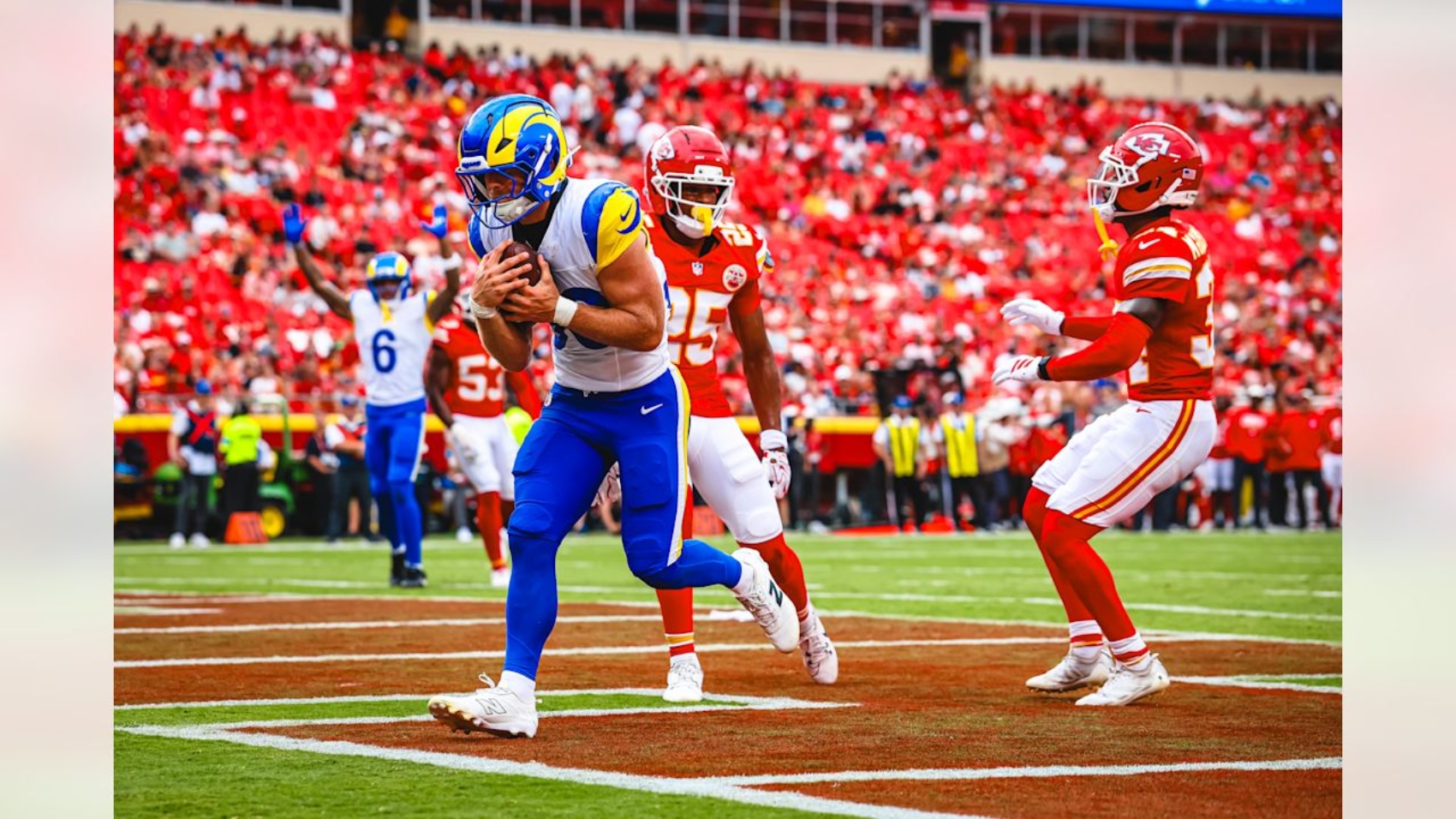
— on an 18-16 loss with no Arizona touchdownsThe Cardinals’ wide receivers Jalen Brooks and Kendrick Bourne had drops on third downs on consecutive sets of downs, which was when the Rams capitalized on the mistakes. Stafford hit Colby Parkinson for the 6-yard touchdown with 47 seconds left on the clock. The Rams had two choices again: do we go for the two-point conversion, which the team is just not good at executing, a failed one in this game, or do you have the punter, Ethan Evans, kick the extra point? The fact is that Evans was 43 of 44 on extra points in college, and he hit 77 point-afters in high school. I went with the kicker. And he connected fairly well on the kick. The Rams are now up one with again, 47 seconds left on the clock.
The Cardinals had no timeouts. The Cardinals had one pass that, granted, was going to be a holding call, and there they had a so-called free play. He was able to get the ball 21 yards to about midfield on a pass play. However, the refs swooped in to make an awful penalty call, giving the Cardinals another 15 yards. Now they were at about the 30-yard line or thereabouts, and after a few plays to center the ball and move it up even further, Chad Ryland kicked his sixth field goal of the game with basically no time remaining.
The Cardinals have not won a game without scoring any touchdowns since when they won versus the Titans 12-7 in 2017.
Overall, the Rams had a whopping 107 yards in the entire first half. The new kicker, Blake Grupe, was also injured in the first quarter, just after he made his first field goal as a Ram, which led to a huge ovation and cheer from the fans inside the stadium. I clapped for an extensive period of time with my hands above my head. I thought it was a great moment for the team. Then the next play ended that, just like when Spinal Tap lost drummers. That was the first thing I thought of, which was us being the Spinal Tap of kickers if things keep up this way.
The Cardinals were not flashy at all and if they went down field, there were no big plays. They were systematic and very slow on offense. Jacoby Brissett threw easy passes, Bam Knight played well and Trey McBride also came up big for the Cards.
The Rams had chances to win or take the lead to an eventual win but they would somehow stop themselves from doing it. Set aside the penalty that set up the winning field goal attempt, there was also a 4th down and 1 to 2 yard play when the coaches decided to hand it off to the rookie tight end, Davis Allen. He never ran the ball in his life and you are now asking him to pound through a line of defense like this one?
The only real spotlight were the two wide receivers. Puka Nacua, had a big 42 yard play pretty late in the game. That set up the Colby Parkinson 6-yard touchdown where he had to reach out to get over the goal line.
The punter, Ethan Evans kicked the PAT for the 16-15 lead.
Then, on that next drive back down field was fast and easy for the Cards as they got the 21 yards, plus the 15-yard penalty for a hit by Josh Wallace which was not a hit. It was more like the receiver fell on Wallace barely even touching his shoulder pad grazing his body which by them touching each other is why I don’t think a review of it was allowed.
A few plays later, Ryland kicked through the easy field goal attempt.
Also, we of course need a new kicker, again, which I went over somewhere last week. They obviously did not choose anyone on my list which means that same list works today.
Remember also please, this is not just a kicker problem, it is a Special Teams problem. Our Special Teams are responsible or in part responsible for almost every loss. When a Special Teams allows someone to run 70 yards one game and then 40 some yards in the very next game, they are failing at their jobs.
FULL BREAKDOWN
Read this on the Los Angeles Rams Substack