4YXPLOOZ7RHDFI3ALWCQDCOM7M

A Renewed Roar with The 2025 Los Angeles Rams Today!

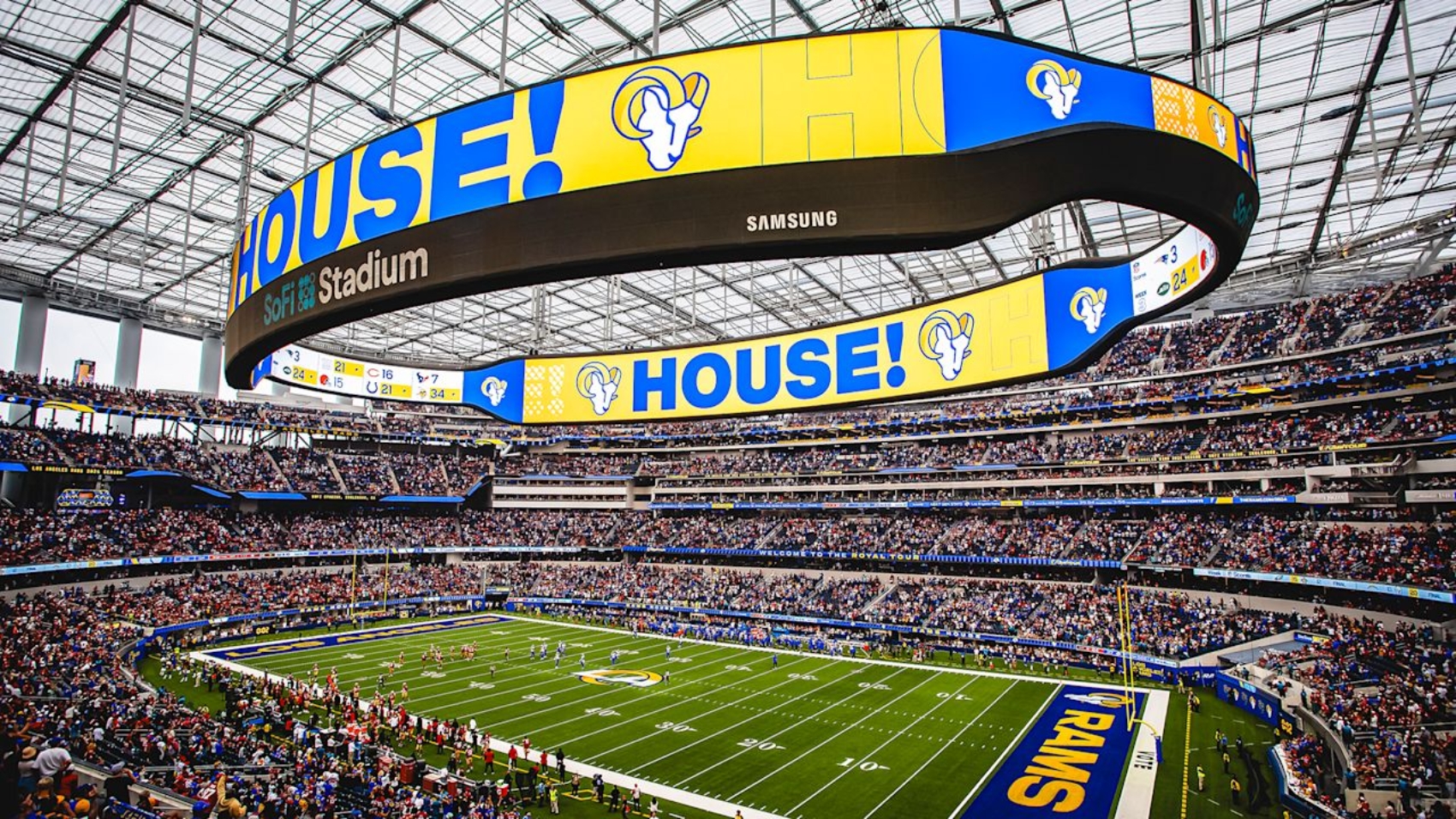
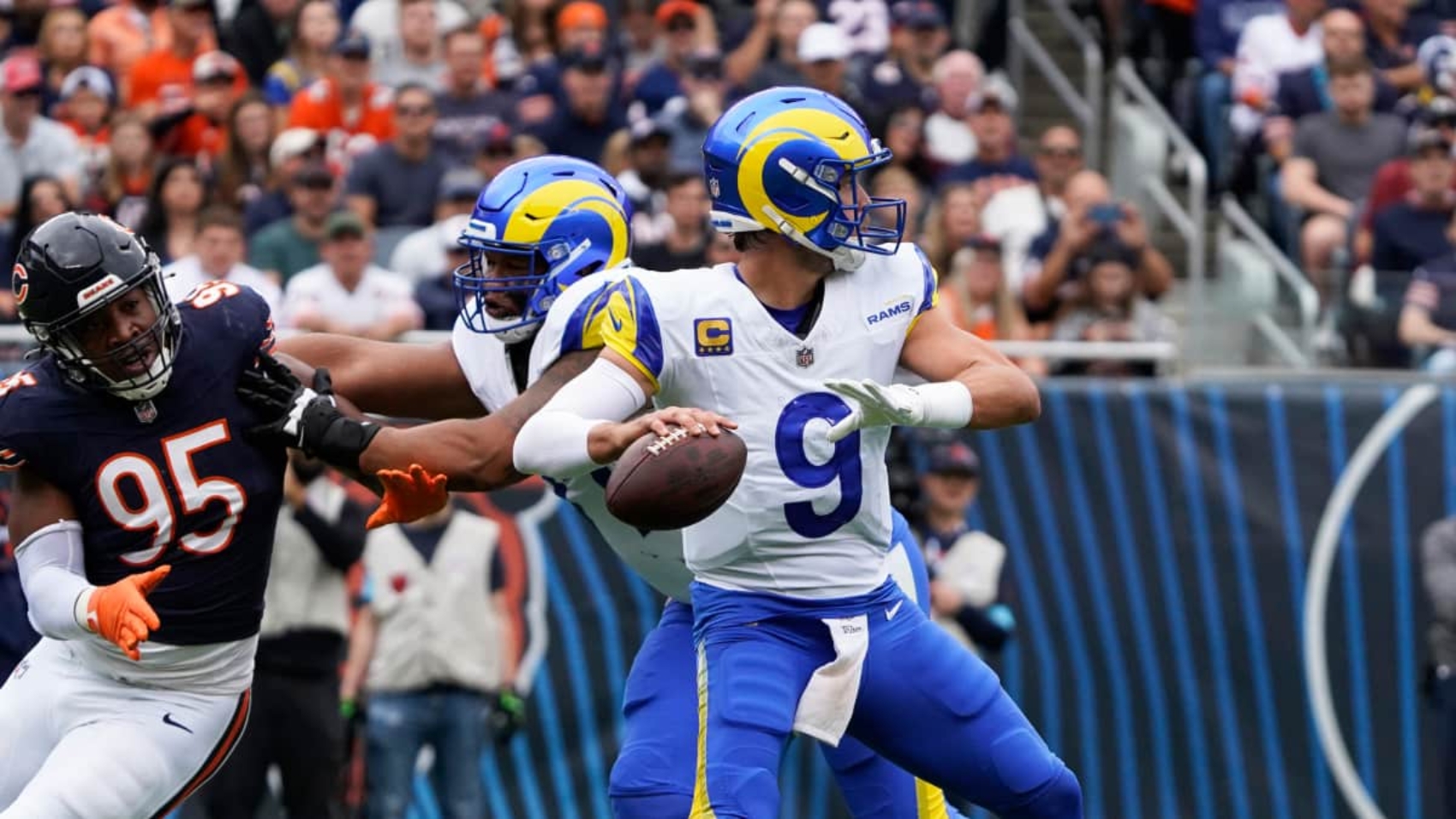
As a lifelong football enthusiast and a proud collector of Los Angeles Rams memorabilia—boasting a collection that includes 62 team-signed items spanning the team’s nearly 89 years of existence, a testament to their rich history since being founded in Cleveland in 1936—I’m deeply invested in the current trajectory of my beloved Rams. The latest news from the team paints a picture of strategic reinforcement, promising talent development, and a renewed focus on Super Bowl aspirations.

Rams Bring Back Derion Kendrick in Strategic Move After Injury

Woodland Hills, CA – June 17, 2025 – In a notable turn of events, the Los Angeles Rams announced on Tuesday that they have re-signed cornerback Derion Kendrick. The move comes less than a week after Kendrick, 24, was waived by the team, only to clear waivers and become an unrestricted free agent.

Kendrick’s return to the Rams’ secondary is particularly significant given his absence throughout the entire 2024 season due to a torn ACL, an injury he sustained in practice in July 2024. His time on injured reserve last year undoubtedly contributed to the team’s initial decision to waive him, likely as a maneuver to optimize cap space, given he was entering the final year of his rookie deal with an escalator that would have significantly increased his 2025 salary to over $3.4 million. By waiving him and re-signing him, the Rams were able to negotiate a new, likely more team-friendly contract.

Prior to his injury, Kendrick had established himself as a developing talent in the Rams’ defensive backfield. In 2023, he featured in all 17 regular-season games, making 12 starts. During that season, he tallied 49 tackles, including three for loss, and recorded one interception along with 10 passes defended. Over his two active seasons (2022-23) since being drafted by the Rams in the sixth round of the 2022 NFL Draft out of Georgia (after starting his collegiate career at Clemson), Kendrick has accumulated a total of 92 tackles and 14 passes defended in 32 games, with 18 starts.

His immediate re-signing suggests that the Rams remain confident in Kendrick’s potential and his recovery from the ACL injury. With the cornerback depth chart featuring players like Cobie Durant, Emmanuel Forbes Jr., and Darious Williams, Kendrick’s return adds a familiar face and potential rotational depth as he works his way back to full health. While some speculation arose about a potential trade for veteran cornerback Jalen Ramsey after Kendrick’s initial release, his re-signing now brings a degree of stability back to the position.

As the Rams prepare for the upcoming season, Kendrick’s re-addition provides an experienced, albeit recently injured, option to a secondary that will be crucial for the team’s aspirations. His ability to return to his pre-injury form will be a key storyline to watch as training camp approaches.

The offseason has seen some intriguing roster adjustments. The re-signing of cornerback Derion Kendrick, who cleared waivers after a brief stint of being waived, indicates the team’s belief in his potential. A significant move for the offensive line was the one-year deal inked with veteran D.J. Humphries. This acquisition becomes even more critical with the concerning news of left tackle Alaric Jackson dealing with a recurring instance of blood clotting, an issue that sidelined him in 2022. While Jackson’s long-term $57 million contract shows the team’s commitment, Humphries provides a vital insurance policy. The team’s offensive line focus this offseason, including securing Jackson’s contract, underscores their understanding that protecting Matthew Stafford is paramount.

The Rams are clearly prioritizing their offensive front, assessing options beyond Humphries, such as David Quessenberry and Warren McClendon, should Jackson miss extended time. Humphries, a former first-round pick, brings veteran experience, though his recent performance with the Chiefs and a history of penalties raise questions about his consistency. However, his Pro Football Focus grades from earlier in his career suggest an ability to be an average to above-average starter when healthy. This proactive approach to the offensive line is crucial for the team’s Super Bowl aspirations.

On the defensive side, cornerback Emmanuel Forbes Jr. is reportedly adding muscle during the offseason, aiming to improve his game. The standout defensive rookie, Jared Verse, despite earning Defensive Rookie of the Year honors, felt he “left around 10 sacks on the field” during his debut season. This self-awareness, coupled with his impressive 76 pressures (ranking fourth in the NFL), suggests a high ceiling. While his 4.5 sacks on those pressures were puzzlingly low compared to his peers, his commitment to improvement could see him become a perennial double-digit sack master. The recent waiving of cornerback Derion Kendrick also begs the question of a potential trade for Jalen Ramsey, a discussion General Manager Les Snead has reportedly had with the Dolphins.

The receiving corps has received a major boost with the arrival of Davante Adams, who feels “rejuvenated” with the Rams. Adams has been fitting in well during practices with Matthew Stafford. His presence is expected to significantly address the Rams’ long-standing red zone efficiency issues. Under Sean McVay, the Rams have often struggled to convert red zone trips into touchdowns, ranking 24th in points per red zone trip and 25th in red zone touchdown percentage last season. Adams’ elite contested catch rate and ability on end-zone fades, a route McVay has favored, should provide Stafford with a much-needed reliable target. While Stafford’s red zone accuracy has wavered in recent years, his past success with strong red zone threats like Cooper Kupp in 2021 and even Calvin Johnson in Detroit suggests that Adams could unlock this crucial part of the offense. The addition of big receiving tight end Terrance Ferguson further bolsters this area. The potential for a “lethal passing attack” with Adams and Puka Nacua, ranked as the league’s highest-graded wide receiver group by Pro Football Focus, has many optimistic about the Rams’ offensive ceiling, provided the offensive line stays healthy and Stafford maintains consistency.

In the backfield, running back Kyren Williams is focused on improving for the upcoming season, but the room has grown crowded. Rookie third-round pick Blake Corum was underutilized last year, and now fourth-round draftee Jarquez Hunter brings a new element of explosiveness. While Williams remains the workhorse, McVay will need to manage his workload to keep him fresh for a deep playoff run. Hunter’s impressive college metrics, particularly in breakaway runs, suggest he could carve out a significant complementary role.

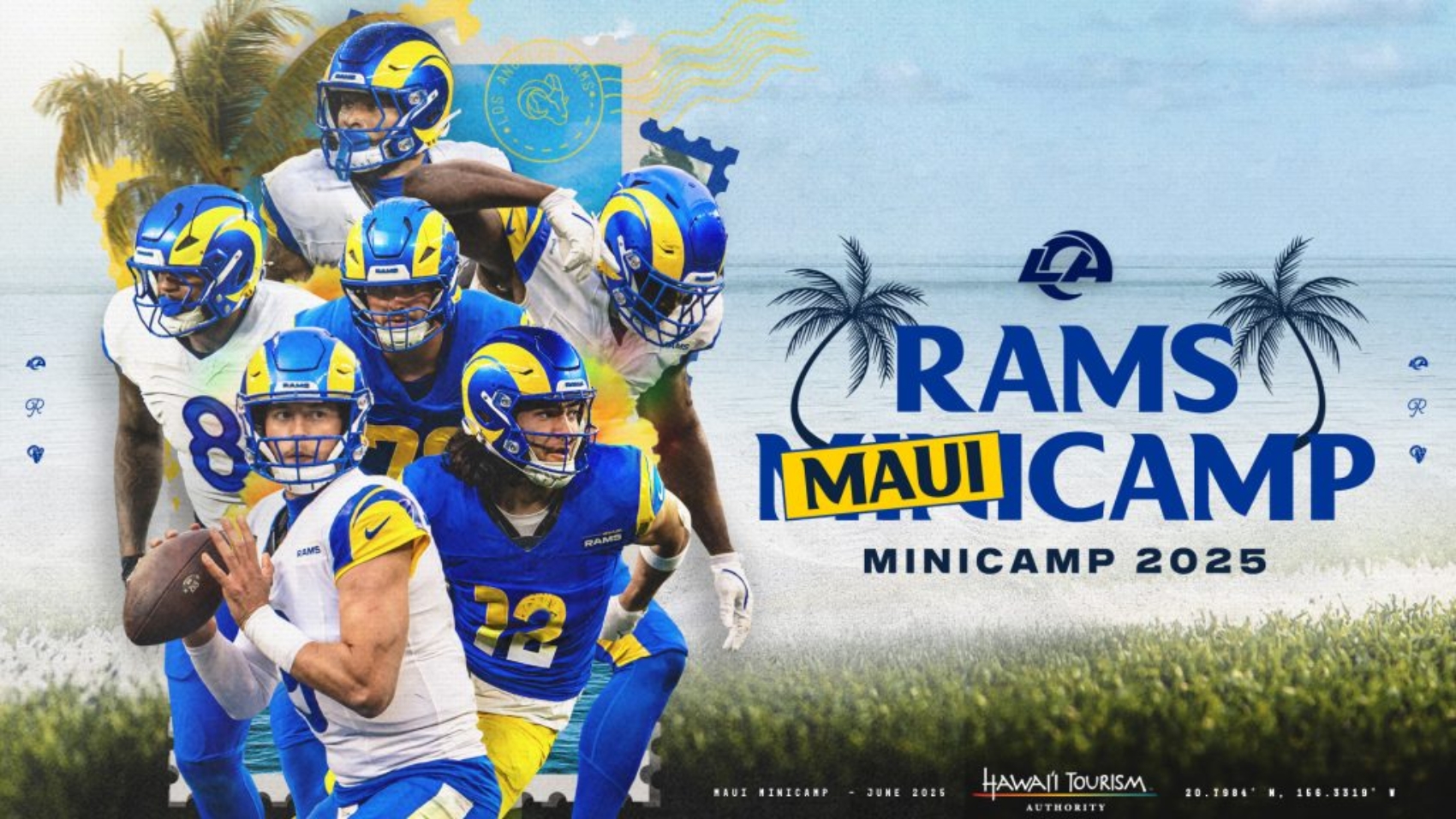
Beyond the roster, the Rams are making headlines with their minicamp in Maui, a partnership with the Hawaii Tourism Authority. The Kroenke Organization has also announced ambitious plans for a 52-acre development in Woodland Hills, CA, to be known as “Rams Village.” Looking further ahead, the team has been designated as the host for the first-ever NFL regular season game in Australia in 2026. The Rams are also actively involved in community initiatives, including wildfire relief efforts and youth programs.

The future of the leadership triumvirate – General Manager Les Snead, Head Coach Sean McVay, and Quarterback Matthew Stafford – remains a key focus. The team is working on adjusting Stafford’s contract to ensure his presence for 2025, while also evaluating draft options at quarterback for the future. Snead’s strategic draft decisions and bold trades have undeniably shaped the team’s success, and McVay has consistently elevated the team since taking over. With the weapons now assembled around Stafford, the 2025 season truly feels like one of the Rams’ best shots at another deep playoff run, a sentiment I share as a fan who has followed their journey for decades, collecting pieces of their history along the way.

bnk1ubwjvmpxc8r9piqd

The State of the Rams: Veterans, Value, and the Road Ahead in 2025 – Don Lichterman is On The Rampage!

As we slide into the slow lane of the NFL offseason, the Los Angeles Rams find themselves in a moment of introspection—caught between youth and experience, present contention and future potential. It’s been a relatively quiet few weeks for Sean McVay’s squad, but that doesn’t mean there hasn’t been meaningful news, developments, and some low-key red flags. From contract conundrums and aging stars to exciting defensive additions and a lurking threat in Atlanta, the Rams’ journey to Super Bowl relevance in 2025 is anything but a straight line.

Let’s dive deep into where the Rams stand heading into a pivotal summer.


A Team in Transition: Too Young? Too Old? Or Just Right?

Just two years ago, the Rams were mocked for fielding one of the youngest rosters in football. Now, the pendulum is swinging back, but in a peculiar way. Los Angeles is still one of the league’s youngest teams, but at critical positions—quarterback, wide receiver, offensive line, and cornerback—they’re aging fast.

Key veterans like Matthew Stafford (37), Rob Havenstein (33), Davante Adams (32), Tyler Higbee (32), and Darious Williams (32) anchor a team that needs these players to produce at or near peak levels to contend. But the reality is that regression, especially due to injuries and age-related decline, is an ever-present threat.

Stafford, now cemented as the team’s quarterback through at least 2026, remains productive, but he’s at the age where most QBs not named Brady or Rodgers begin to crumble. Havenstein has been steady, but cracks are showing. Adams might still have WR1 juice, but swapping out one aging star (Kupp) for another comes with risk. The team’s foundation is strong—but it’s built on aging joints.


Darious Williams: Overpaid, Over the Hill, and Under Scrutiny

Perhaps the most puzzling decision of the offseason was the Rams doubling down on cornerback Darious Williams. Reuniting with the 32-year-old seemed like a smart depth move at first glance—until you realize they handed him $15 million guaranteed through 2025. That’s $8 million in cash and a $9.166 million cap hit, the seventh-highest on the roster and 19th among all NFL cornerbacks.

Williams had a down year with Jacksonville before being released. In 12 games with the Rams last season, he posted 45 tackles, one interception, and allowed a 101.7 passer rating when targeted—his worst mark yet. His age and lingering hamstring issues only compound concerns.

Cutting him provides no cap relief due to the guaranteed money. A trade seems unlikely. The Rams may simply have to ride it out and hope for a bounce back—though with promising CBs like Cobie Durant and Ahkello Witherspoon in-house, patience may wear thin.


The Rams and the Penix Pick Dilemma

One of the Rams’ shrewder moves in the 2025 draft was trading down from No. 26 and securing the Falcons’ first-round pick for 2026. On paper, this was a forward-thinking deal—especially for a franchise looking to either draft its QB of the future or swing big via trade next spring.

But there’s a wrinkle: Michael Penix Jr.

The former Washington Huskies gunslinger looked like a future star in three starts late last season. His Week 18 dismantling of Carolina (95.6 PFF grade) turned heads, and his overall rookie efficiency metrics—70.4% adjusted completion, 87.6 pass grade, 10 big-time throws to just 2 turnover-worthy plays—suggest a legit breakout is coming.

Atlanta might not be the pushover many assumed. With talent around him—Bijan Robinson, Drake London, Kyle Pitts—and a soft NFC South schedule, Penix could drag the Falcons into a Wild Card race. That would turn the Rams’ prized pick from top-10 treasure to late-round footnote. It’s a quiet storyline, but one worth watching every Sunday.


The Tush Push Stays—But So What?

NFL owners voted to keep the infamous “Tush Push” play made famous by the Eagles—and to be honest, who cares?

While Packers brass led the charge to ban it, the reality is every team has had more than enough time to adjust, adopt, or counter the strategy. The Rams haven’t utilized the Brotherly Shove much themselves, but with a creative coach like McVay and a healthy Stafford, they could mix it in situationally. Regardless, this saga feels like a tired offseason headline that’s finally ready to die.


Ty Hamilton: The Run-Stopping Reinforcement LA Needed

On the flip side of the aging narrative comes a much-needed injection of youth on defense. The Rams used a fifth-round pick to grab Ohio State’s Ty Hamilton—after trading up and giving away a 2026 fourth-rounder.

That’s not a small price for a rotational defensive lineman, but Hamilton brings something L.A. sorely lacked: a true run-stuffer. While the Rams improved against the run late last season, they were still punished early and ultimately exposed by the Eagles’ physicality in the playoffs.

Hamilton’s profile is promising—eighth-highest run-stop percentage in college last season, seventh-most run stops, and an ability to control gaps at the point of attack. At 6’3, 295, he’s not a pass-rushing phenom, but he’ll do the dirty work. That’s precisely what McVay and Raheem Morris need in trench warfare matchups against the 49ers and Lions.

He’ll join a defensive line rotation that includes breakout star Kobie Turner, free-agent addition Poona Ford, and sophomore Ty Davis. Hamilton may not start Week 1—but expect him to make noise by Thanksgiving.


Quiet Offseason? Good. Let’s Keep It That Way.

Aside from a brief Stafford storyline and the usual internet drama (looking at you, Aaron Rodgers), the Rams have avoided becoming tabloid fodder this spring. That’s a good sign. Winning teams are built in silence. There’s no QB controversy, no front-office implosions, and the roster has a nice mix of elite talent, veteran leadership, and youthful upside.

Still, there are areas to monitor:

  • Can Stafford stay healthy and productive at 37?
  • Will Darious Williams rebound or ride the bench while collecting top-20 CB money?
  • Can Ty Hamilton make an instant impact in run defense?
  • Will Davante Adams avoid becoming the next aging WR bust in McVay’s system?
  • And can the Rams capitalize on their bet against Penix and the Falcons?

And One More Thing… The Don Lichterman Rams Autograph Rams Team Signed Collection

In a bit of a personal flex, let’s not forget that the Don Lichterman Rams Autograph Collection now includes signatures from 62 of the franchise’s 85 seasons. That’s more than just memorabilia—that’s history inked in permanent marker. From Roman Gabriel to Aaron Donald, this collection stands as a tribute to one of the NFL’s most storied franchises.


The Rams are threading the needle—competing now while planting seeds for tomorrow. The 2025 season will hinge on health, depth, and whether aging stars can hold the line just a little longer. But there’s promise here. If Hamilton adds beef up front, if Stafford and Adams can roll back the clock, and if the Falcons stumble just enough, the Rams may find themselves right back where they want to be—competing for a Super Bowl and controlling their future.

One step at a time. One signature at a time. One play at a time. Go Rams.

Los Angeles Rams preseason schedule 2025

  • Preseason Week 1: Saturday, Aug. 9, vs. Dallas Cowboys, 7 p.m. ET
  • Preseason Week 2: Saturday, Aug. 16, vs. Los Angeles Chargers, 7 p.m. ET
  • Preseason Week 3: Saturday, Aug. 23, at Cleveland Browns, 1 p.m. ET

Los Angeles Rams 2025 regular season schedule

  • Week 1: Sunday, Sept. 7, vs. Houston Texans, 4:25 p.m. ET, CBS
  • Week 2: Sunday, Sept. 14, at Tennessee Titans, 1 p.m. ET, CBS
  • Week 3: Sunday, Sept. 21, at Philadelphia Eagles, 1 p.m. ET, FOX
  • Week 4: Sunday, Sept. 28, vs. Indianapolis Colts, 4:05 p.m. ET, FOX
  • Week 5: Thursday, Oct. 2, vs. San Francisco 49ers, 8:15 p.m. ET, Prime
  • Week 6: Sunday, Oct. 12, at Baltimore Ravens, 1 p.m. ET, FOX
  • Week 7: Sunday, Oct. 19, at Jacksonville Jaguars (London), 9:30 a.m., NFL Network
  • Week 8: Bye
  • Week 9: Sunday, Nov. 2, vs. New Orleans Saints, 4:05 p.m. ET, FOX
  • Week 10: Sunday, Nov. 9, at San Francisco 49ers, 4:25 p.m. ET, FOX
  • Week 11: Sunday, Nov. 16, vs. Seattle Seahawks, 4:05 p.m. ET, FOX
  • Week 12: Sunday, Nov. 23, vs. Tampa Bay Buccaneers, 8:20 p.m. ET, NBC
  • Week 13: Sunday, Nov. 30, at Carolina Panthers, 1 p.m. ET, FOX
  • Week 14: Sunday, Dec. 7, at Arizona Cardinals, 4:25 p.m. ET, FOX
  • Week 15: Sunday, Dec. 14, vs. Detroit Lions, 4:25 p.m. ET, FOX
  • Week 16: Thursday, Dec. 18, at Seattle Seahawks, 8:15 p.m. ET, Prime
  • Week 17: Monday, Dec. 29, at Atlanta Falcons, 8:15 p.m. ET, ESPN
  • Week 18: Date/time TBD, vs. Arizona Cardinals

— Don Lichterman

usatsi_24357944

On The Rampage Weekly Update with Don Lichterman: Stafford MVP Snub, WR Concerns, Jared Verse on Rich Eisen, and the Rams’ Complex Playoff Picture and Much More Ram Talk…

Welcome back to On The Rampage Weekly, where I dive into everything Los Angeles Rams and beyond—from roster questions to playoff scenarios to bold predictions and media highlights. This week, we’ve got a lot to unpack, so let’s get to it.


Rams Playoff Outlook: Early Wins Might Not Tell the Whole Story

As we look toward the 2025 season, it’s shaping up to be a fascinating year for the Los Angeles Rams. With the schedule now officially released, Rams fans are circling key matchups and calculating wins—but there’s more beneath the surface than win-loss columns. The Rams could be 3-1 or even 5-2 by late October, and yet, we still might not know exactly who they are.

Why?

Because the early part of their season is dominated by AFC opponents, not NFC rivals. And in a playoff chase where conference and divisional records often decide tie-breakers, games against teams like the Colts or Titans—while important—don’t move the needle in terms of postseason positioning.

Here’s What to Watch Early On:

  • Week 1: Texans at SoFi—Houston struggled last year and could be a tone-setter for the Rams.
  • Weeks 2–4: Titans, Colts (both had losing records), and the Eagles—Philadelphia will be the Rams’ first true NFC measuring stick.
  • Week 5: Circle this one—Thursday Night Football against the San Francisco 49ers at home.

If all breaks right, the Rams could be 4-1 heading into a tough road game against the Ravens. If they survive that, a 5-2 start is very realistic. But even at 5-2, they might only be 1-1 in the NFC. Meanwhile, the 49ers—who have a far easier strength of schedule thanks to last year’s poor finish—will be racking up NFC matchups.

Let’s not sugarcoat it: The Rams face the Eagles, Ravens, and Lions—all teams with 12+ wins last season. The 49ers? They’re set to play the Browns, Giants, and Bears—all teams that won 3 to 5 games. That’s a massive difference when conference records start to matter down the stretch.


NFC West Will Be a Photo Finish—Every Detail Matters

The NFC West often comes down to razor-thin margins. Just last year, the Rams and Seahawks both finished 10-7, both went 4-2 in the division, and both finished 6-6 in the conference. The Rams edged them out in part due to earlier wins—before they even played Week 18, they had clinched the division.

That makes games like Week 5 vs. the 49ers all the more crucial. That could be the swing game that decides the division months later.


Bold NFL Predictions: Will Stafford Get His Flowers This Time?

Let’s take a step back from the schedule and throw out a few bold predictions for the 2025 NFL season:

  1. Matthew Stafford Will Win MVP (Or At Least Deserve It)
    Stafford’s early MVP odds are straight-up disrespectful. After another strong season and a playoff push with a retooled offense, he’s still being overlooked. With weapons like Davante Adams and a deeper O-line, Stafford has a chance to light it up this year. And let’s not forget—he’s already proven he can win it all.
  2. The Steelers Will Stay Above .500… Again
    It seems like every year we think Mike Tomlin’s magic has run out, and every year he pulls out another non-losing season. Even with a murky QB situation and a thinner roster, Tomlin always finds a way.
  3. New Blood in the MVP Race
    Could Jayden Daniels crash the QB party in MVP voting? Absolutely. But don’t sleep on Stafford making a run if the Rams stay healthy and win 11+ games.

Jared Verse Joins The Rich Eisen Show

Rams rookie pass rusher Jared Verse recently joined The Rich Eisen Show and made it clear—he’s coming in with a chip on his shoulder. Verse spoke about his journey from Florida State to the NFL, emphasizing how he’s ready to contribute immediately on a defense that needs him to step up with Aaron Donald now retired.

Verse’s energy, drive, and physicality are a welcome addition to a Rams defense in transition. He’ll be thrown into the fire early, and everything we’ve heard so far points to a guy who wants the smoke.


Do the Rams Still Have a WR Problem?

On paper, the Rams made a big splash this offseason by signing Davante Adams. But they also lost a lot—Cooper Kupp is gone. So is Demarcus Robinson. That leaves the Rams thinner at wide receiver than many fans realize.

Here’s what the current WR depth looks like:

  • WR1: Davante Adams (no question here)
  • WR2: Puka Nacua (assuming health)
  • WR3: Tutu Atwell (showed flashes but still unproven)
  • WR4/5: Jordan Whittington, Xavier Smith, and rookie Konata Mumpfield

It’s clear Sean McVay is counting on internal development. Atwell and Whittington performed admirably when thrust into bigger roles due to injuries last season. Atwell ranked top 10 in the league in yards per route during that stretch. But over a 17-game season? That’s a different beast.

The Rams also drafted TE Terrance Ferguson in Round 2, signaling a potential shift to more two-tight-end sets. But let’s not forget—the most pass-heavy formations in today’s NFL are still built around three WRs.

Should the Rams Pursue a Free Agent Like Gabe Davis?

Recently released by the Jaguars, Davis could offer the Rams an experienced depth piece without threatening the growth of young receivers. He’s a solid route-runner, a physical blocker, and a known commodity. The downside? Less opportunity for Whittington and Atwell to grow.

For now, the Rams seem content with what they have—but if injuries pile up, don’t be surprised if a move gets made mid-season.


Conclusion: Rams Are Contenders, But The Road Is Full of Twists

The Rams are poised for a major year. Stafford has the weapons and protection to return to MVP form, the defense is filled with young, hungry players like Jared Verse, and the team as a whole has a chip on its shoulder.

But fans shouldn’t get too comfortable with a fast start. Until they start stacking NFC wins—especially against teams like the Eagles and 49ers—their playoff fate will remain uncertain.

Sean McVay and Les Snead have built something special again, but they’ll have to prove it against the best of the NFC.

And as always, we’ll be here On The Rampage to break it all down, every step of the way.


Tags: #RamsHouse #MatthewStafford #JaredVerse #RamsWRs #NFLPlayoffs #NFCSchedule #RamsSchedule2025 #OnTheRampage #SeanMcVay #NFLNews #DonLichterman

On The Rampage: Rams Weekly Update with Don Lichterman

Welcome to this week’s edition of On The Rampage, where we break down everything you need to know about the Los Angeles Rams. From contract negotiations and strategic moves, to offseason camps and next year’s draft picks, this week’s developments show why the Rams are not only building for now—but for the future. Let’s dive in.


🌴 Rams Take Minicamp to Maui: A Strategic Move to Expand Their Reach

The Rams are taking their talents—and their training—to Hawaii this summer.

From June 16-18, the Rams will host their minicamp on the island of Maui, marking a bold step in the franchise’s ongoing efforts to grow its brand beyond the Southern California market. As the only NFL team to hold mandatory offseason training outside the continental United States, the Rams are capitalizing on their popularity as a championship-caliber franchise with a fanbase that spans far beyond Los Angeles.

This move isn’t just about football—it’s about culture, outreach, and market expansion. Hawaii has long held NFL roots, especially with the Pro Bowl formerly hosted in Honolulu. By bringing minicamp to Maui, the Rams hope to cultivate a new generation of fans and tap into the Pacific Islander heritage deeply intertwined with football.


💰 Kyren Williams: Betting on Himself in a Contract Year

Running back Kyren Williams has posted back-to-back 1,000-yard seasons, but that might not be enough to secure a long-term deal just yet.

Williams finished 2024 with 1,299 rushing yards and 14 touchdowns. Impressive numbers on paper—but a deeper dive reveals concerns. Williams led the NFL in fumbles by a non-QB and ranked in the bottom half of explosive run metrics and missed tackles forced. The Rams selected Auburn’s Jarquez Hunter in this year’s draft, a dynamic back with elite burst and one of the highest explosive play rates among college RBs.

That pick alone tells you everything about how Les Snead views the future of the backfield: committee-style, diverse skill sets, and cost-effective depth.

“The wear and tear on running backs is real,” said Snead. “We’re building a committee that allows us to run the football effectively without overloading one guy.”

With Hunter and second-year back Blake Corum now in the mix, Williams will have to prove he’s not just the lead back—but the one worth keeping.


📈 Rams Cash in on Falcons’ Gamble: A 2026 First Round Pick Could Become Gold

One of the most underrated moves of the offseason might turn out to be one of Les Snead’s best.

The Atlanta Falcons, in desperation mode, traded their 2026 first-round pick to the Rams in exchange for a late first-rounder in 2025. The gamble? Atlanta thinks it’ll be a playoff team. The reality? They might be one of the worst.

This is a franchise with:

  • A head coach without a winning season since 2010
  • A rookie QB (Michael Penix Jr.) with three NFL starts
  • No major free agency additions
  • A defense that ranked 28th in points allowed per drive
  • And now, two rookie edge rushers expected to start right away

The Falcons’ 2024 wins were smoke and mirrors—most of their victories came against bottom-tier teams. A tough 2025 schedule awaits them, and unless Penix defies the odds, that 2026 first-rounder could be top-5 material.


🏆 Les Snead: Mastermind Behind the NFL’s Best Front Office?

In a league where dynasties rise and fall with shocking speed, the Rams have managed to stay competitive while rebuilding on the fly—and that’s due in large part to GM Les Snead.

ESPN’s Mina Kimes praised the Rams as a shining example of how a team can win now and build for later—a balance most franchises fail to strike.

“The Rams pulled off one of the hardest things to do in professional sports: staying competitive while retooling,” said Kimes.

Since going all-in to win the Super Bowl in 2021 with the now infamous “F Them Picks” mantra, the Rams have executed one of the cleanest retools in NFL history:

  • Cut ties with big contracts (Jalen Ramsey, Leonard Floyd)
  • Ate $75M in dead money
  • Drafted foundational pieces like Puka Nacua, Steve Avila, Byron Young, and Kobie Turner
  • Transitioned post-Aaron Donald with five top-100 picks to reload the defense

Their newest star, Jared Verse, is the reigning Defensive Rookie of the Year. Paired with Braden Fiske, Kam Kinchens, and others, this young core gives L.A. a new window of contention—even as legends like Donald and Kupp transition out.


🧱 Rams Defensive Line: Rebuilt, Resilient, and Already Dangerous

Pat McAfee recently spotlighted one of the more overlooked stories of the Rams’ resurgence: the rapid reassembly of their defensive front.

Even with Aaron Donald’s retirement, the Rams were 10th in defensive EPA per play from Weeks 7–17 last season. That’s no accident.

In true “Moneyball” fashion, Snead didn’t try to replace Donald with one man. Instead, he rebuilt the line in the aggregate:

  • Jared Verse (top-15 pick)
  • Braden Fiske (Donald’s Florida State teammate)
  • Kobie Turner (elite interior pressure as a rookie)
  • Byron Young (edge speed for days)

It’s a versatile, fast, and high-motor unit that should keep the Rams defense near the top of the league in 2025.


🧠 The Evolution of the Tight End Room: Redman & Torres Bring Blocking Back

While headlines were stolen by second-round pick Terrance Ferguson, the Rams also added two undrafted tight ends with real potential—Mark Redman (Louisville) and Anthony Torres (Toledo).

Both bring a blocking-first mentality to a room that’s often favored receiver-style tight ends. Redman is a West Coast technician with reliable hands and sound technique, while Torres is a gritty, long-limbed MAC product who overcomes adversity with raw power and team-first play.

Redman: Smart, polished, with high football IQ. Strong in combo blocks, solid route fundamentals, but limited YAC threat.
Torres: Former team captain with a 7-year college journey. Tough, versatile, and physical. Could challenge for a special teams or practice squad role.

While they face a crowded room with Tyler Higbee, Colby Parkinson, Davis Allen, and Ferguson, Redman and Torres will likely get a real chance to shine in preseason games.


🏈 Championship Window Reopened: Rams in Contention Mode Again

Once the Rams lifted the Lombardi Trophy in 2021, many expected a short-lived era of success. After all, “F Them Picks” was supposed to come with a heavy price.

But three years later, the Rams are proving that the window is still open.

They’ve swapped one core for another:
Then — Donald, Kupp, Stafford
Now — Verse, Nacua, Stafford

Even if Matthew Stafford doesn’t get another ring, the Rams’ retool has already defied expectations. With two first-round picks in 2026 (including Atlanta’s), the cap space to make moves, and a front office full of forward-thinkers, this team is built to contend now and next.


Final Word from Don

The Rams have turned a so-called rebuild into a reload.

They’re expanding their global footprint, playing smart with contracts, betting on youth, and making front-office decisions that are years ahead of the competition. Whether it’s scouting under-the-radar tight ends or fleecing desperate GMs like Atlanta’s Terry Fontenot, this is a team that knows exactly what it’s doing.

So buckle up, Rams fans. Because while everyone else is guessing how to sustain success, the Rams are showing how it’s done—one savvy move at a time.

Until next week, stay On The Rampage. On The Rampage: Rams Weekly Report. Stay loud. Stay proud. Stay on the rampage.
Don Lichterman

Leather-Waste-1-Chin-Leong-Teo-1024x683-1-1200x675

Sunset Corporate Responsibility About Fast Fashion: Confronting the Global Textile Waste Crisis, The Scale of the Problem,Recycling Programs, Sustainability Without Structural Change & What Needs to Change?

Sunset Corporate Responsibility & Fast Fashion: Confronting the Global Textile Waste Crisis

Source: Sunset Corporate Responsibility About Fast Fashion: Confronting the Global Textile Waste Crisis, The Scale of the Problem,Recycling Programs, Sustainability Without Structural Change & What Needs to Change?

White nationalist demonstrators walk into a park to protest the pending removal of a statue of Confederate Gen. Robert E. Lee in Charlottesville, Va., this weekend.

On The Rampage, Sinclair Broadcasting, The Overton Window, Most Intellectual Race, New Admin, Survivor, Terps, The Summit, Racism & No. 7 & 11 in Slovakia & India!

Sinclair Broadcast Group: A Media Powerhouse and Its Influence on American Broadcasting

Sinclair Broadcast Group is one of the largest and most influential media companies in the United States, with an extensive reach across both traditional television and digital platforms. Headquartered in Hunt Valley, Maryland, Sinclair owns or operates more than 190 television stations in over 100 U.S. markets, which accounts for nearly 40% of American households. Through its vast network, the company plays a pivotal role in shaping the media landscape and influencing both local and national news programming.

Sinclair’s influence extends far beyond traditional broadcasting. It has been at the center of several major trends in the broadcasting industry, including the consolidation of media ownership, the rise of local news programming, and controversial political leanings. This unique position has allowed Sinclair to hold significant sway over how news is presented to millions of Americans. However, it has also drawn criticism over the years due to its political influence and business practices.

A Brief History of Sinclair Broadcast Group

Sinclair was founded in 1971 by Julian Sinclair Smith as Sinclair Television in Baltimore. Since then, the company has grown exponentially through a combination of acquisitions, mergers, and aggressive expansion strategies. Sinclair initially focused on acquiring television stations in local markets, but it soon broadened its reach by expanding into larger media markets across the U.S.

The company’s rapid growth took place in the context of the Telecommunications Act of 1996, which relaxed federal regulations on media ownership. This legislation allowed Sinclair to acquire more stations, further consolidating media ownership across the country. Today, Sinclair owns a mixture of network-affiliated stations (ABC, CBS, NBC, and Fox) and independent stations in nearly every state, making it the largest owner of television stations in the U.S. by number.

Political Influence and Conservative Leanings

Sinclair Broadcast Group is often associated with its conservative political leanings. Under the leadership of David D. Smith, the company’s CEO, Sinclair has been accused of pushing a right-leaning agenda through its programming, particularly with respect to its news content. This has sparked controversies over the years regarding media bias and the role of corporate interests in influencing public opinion.

The most significant and widely discussed example of this occurred in 2018, when Sinclair ordered its local news anchors across the country to read a script warning viewers about the dangers of “biased” media. The script, which criticized “fake news” and “one-sided” reporting, was seen as a political message, pushing the company’s conservative agenda. This moment garnered national attention and sparked a debate about the potential dangers of media consolidation, where a few corporate entities control large swaths of content.

Sinclair’s political influence became even more pronounced during the Trump administration, as the company maintained close ties with certain members of the administration, many of whom aligned with the company’s conservative values. This connection led to accusations of Sinclair becoming a mouthpiece for conservative causes, particularly on issues like immigration, climate change, and economic policies.

Programming and News Content

At its core, Sinclair is a broadcasting company, meaning its primary source of revenue comes from its television stations. While Sinclair operates a wide range of station types, including ABC, CBS, NBC, and Fox affiliates, the company has placed particular emphasis on local news programming. This focus on local news has allowed Sinclair to build strong community ties and maintain significant viewership in the markets it serves.

In addition to local news, Sinclair has made substantial investments in national programming through its news division, One America News Network (OANN), and its content syndication division. OANN, which has gained notoriety for its right-wing political stance, has attracted both praise and criticism for its reporting style and editorial direction. OANN and Sinclair’s other properties have drawn a loyal audience but have also faced backlash for their portrayal of certain news stories, particularly those related to political events.

Acquisition of Tribune Media and Impact on Market Dominance

In 2017, Sinclair made a historic move by announcing its acquisition of Tribune Media, a deal valued at approximately $3.9 billion. The acquisition would have given Sinclair control over 42 additional television stations, further solidifying its position as the dominant force in U.S. broadcasting. However, the merger was met with significant regulatory scrutiny from the Federal Communications Commission (FCC), which was concerned about the impact of the deal on media diversity and competition.

After a prolonged regulatory review, the $3.9 billion acquisition was ultimately blocked in 2018, primarily due to concerns that it would violate FCC rules about local media ownership. This rejection was seen as a blow to Sinclair’s ambitions to dominate the national media landscape. However, Sinclair has continued to pursue aggressive growth strategies, including expanding its digital content and streaming platforms.

Controversies and Criticisms

Sinclair’s aggressive expansion and its approach to local news programming have led to several controversies over the years. Some of the key criticisms leveled against the company include:

  1. Media Consolidation: As one of the largest owners of television stations in the U.S., Sinclair’s dominance over the airwaves raises concerns about the lack of diversity in media ownership. Critics argue that such consolidation leads to a narrowing of viewpoints and a reduction in journalistic independence.
  2. Political Bias: Sinclair has been accused of promoting a conservative bias, particularly through its editorial content and scripted commentary. The company’s ties to right-wing figures and the use of politically charged scripts have led to accusations of being a partisan entity rather than an objective news organization.
  3. Corporate Influence in News Reporting: Sinclair’s corporate control over local news stations has raised questions about the level of editorial independence at its properties. The requirement for local anchors to read company-issued scripts, for example, has been a point of contention for those who argue that it undermines the credibility and autonomy of local journalists.
  4. Legal and Regulatory Issues: Sinclair has faced several legal challenges related to its operations, including antitrust concerns and accusations of misleading advertising. The company’s aggressive acquisition strategies and its lobbying efforts to relax media ownership rules have attracted significant scrutiny from regulatory bodies like the FCC.

Sinclair’s Future in the Digital Age

As media consumption continues to shift toward digital platforms and streaming services, Sinclair is facing new challenges in adapting to this changing landscape. The company has made significant investments in digital content, including acquiring streaming services and developing digital-first programming to complement its traditional television offerings.

In recent years, Sinclair has also embraced the rise of podcasting, online video, and social media platforms. These investments allow Sinclair to reach a younger, more tech-savvy audience while maintaining its stronghold in traditional broadcasting. The success of Sinclair’s digital transition will likely determine the company’s future trajectory as it navigates an increasingly fragmented media environment.

Sinclair Broadcast Group has built an empire of television stations, news programming, and digital media content, making it one of the most influential media companies in the United States. While its success is undeniable, its influence—particularly in terms of political bias, media consolidation, and corporate control of local news—has made it the subject of significant controversy.

As Sinclair looks to expand its digital footprint and adapt to a changing media landscape, the company’s role in shaping both local and national narratives will remain a topic of intense scrutiny. Whether its strategy of combining traditional broadcasting with digital innovation will allow it to thrive in the future remains to be seen, but one thing is certain: Sinclair Broadcast Group will continue to be a major force in American media for years to come.

The Overton Window: Understanding the Shifting Boundaries of Political Discourse

The concept of the Overton Window is a powerful and insightful framework for understanding the dynamics of public opinion and political discourse. Named after Joseph P. Overton, a political theorist who developed the idea in the mid-1990s, the Overton Window refers to the range of ideas and policies that are considered acceptable, mainstream, or politically viable within a given society at a specific time.

The idea is that the political spectrum is not a fixed, rigid set of beliefs, but rather a fluid window of options that can shift over time. The window determines which ideas are part of the “acceptable” conversation, and which ones are viewed as too radical, extreme, or outside the bounds of mainstream thought. Understanding how the Overton Window operates can shed light on how political movements evolve, why certain issues gain prominence, and how societal norms change.

The Anatomy of the Overton Window

The Overton Window is typically visualized as a sliding scale or a window that can shift left or right on the political spectrum. The window encompasses a variety of political ideas, but the key is that only those ideas within the window are considered politically acceptable. Ideas outside the window—whether they are too conservative, too liberal, or even too radical—are often dismissed as impractical or unworthy of serious discussion.

The window is shaped by the political elite, the media, and public opinion, and can be influenced by events, social movements, cultural shifts, or technological advances. The window is not static; it can move based on changing public sentiment, leadership, and political activism. What is considered “radical” or “unthinkable” today could become “mainstream” tomorrow if the window shifts enough.

The Overton Window operates within several categories of ideas:

  1. Unthinkable: Ideas that are so far outside the window that they are considered absurd or not even worth debating.
  2. Radical: Ideas that challenge the status quo and may be controversial, but still have a small group of supporters.
  3. Acceptable: Ideas that are within the window and are part of the mainstream political discourse.
  4. Sensible: Policies and ideas that enjoy broad support within the Overton Window and are generally regarded as reasonable or practical.
  5. Popular: Ideas that not only are accepted by the political elite, but have also gained significant traction among the public, influencing the direction of policy.

Shifting the Overton Window

The window does not move automatically or spontaneously. Activists, politicians, and media figures can intentionally try to shift the Overton Window by pushing new ideas into the public sphere and challenging the limits of what is considered acceptable. These efforts often require a combination of persuasion, public pressure, and strategic messaging to gradually move an idea from the “unthinkable” to the “popular” category.

For example, the idea of same-sex marriage in the United States was once considered an “unthinkable” or “radical” concept. However, over the course of several decades, advocacy from LGBTQ+ rights groups, changes in public opinion, and the tireless work of activists slowly shifted the Overton Window. By the time the U.S. Supreme Court legalized same-sex marriage in 2015, the idea was seen as a widely accepted and sensible policy.

Similarly, in the 2000s, the idea of universal healthcare in the U.S. was seen as radical or socialist. But through persistent campaigns by political figures like Bernie Sanders, advocacy groups, and a growing recognition of healthcare inequities, the idea gained significant ground, pushing the Overton Window in the direction of more progressive healthcare policies.

The Role of Political Leadership and Media

Political leaders and media outlets play a key role in shifting the Overton Window. A leader with significant political capital can introduce new ideas that challenge the existing boundaries of discourse. For example, President Franklin D. Roosevelt during the New Deal era reshaped the window of what was considered acceptable government intervention in the economy, expanding the role of the federal government in ways that were previously unthinkable.

Similarly, the media—through framing, messaging, and coverage—can either reinforce or expand the Overton Window. The rise of social media platforms has created new avenues for pushing fringe ideas into the mainstream. Influencers, activists, and political groups can use these platforms to promote ideas that might have been excluded from traditional media outlets.

The media’s power to shape the Overton Window is particularly pronounced in polarized political climates. A media outlet with a particular ideological leaning may amplify certain ideas or push boundaries to shift the public discourse in a particular direction. This is especially true in the context of partisan news sources, where different media organizations may push different aspects of the political spectrum further into the mainstream.

The Overton Window and Political Polarization

The Overton Window also plays a significant role in understanding political polarization. As the window shifts, ideas that were once seen as moderate may become associated with one political party, while ideas that were considered extreme may gain popularity among the other side. The result is the creation of a more polarized political landscape, where each side views the other as moving farther and farther away from the “center.”

For instance, as conservative political figures in the U.S. increasingly championed populist and nationalist rhetoric in the 2010s, the Overton Window on the right shifted, bringing once-fringe ideas like anti-immigrant policies, “America First” nationalism, and authoritarian-style governance closer to the political mainstream.

On the left, similar shifts have taken place with the growing influence of progressive ideas like Medicare for All, the Green New Deal, and free college tuition, which were once considered too radical but are now part of mainstream Democratic policy proposals.

The Power of Grassroots Movements

Grassroots movements can also drive the shifting of the Overton Window. When a significant portion of the public pushes for a particular cause or idea, politicians and media outlets are often forced to respond. The civil rights movement, the women’s suffrage movement, and the environmental movement all demonstrate how public mobilization can successfully shift the Overton Window and make previously “unthinkable” ideas a reality.

For example, climate change was once a fringe issue, but through the activism of groups like Extinction Rebellion and Fridays for Future, as well as the rise of young voices like Greta Thunberg, it has become a central issue for both political leaders and citizens alike, pushing the Overton Window toward more aggressive action on environmental policy.

The Overton Window and the Future of Politics

The Overton Window serves as a reminder that the boundaries of what is politically possible are not fixed; they are fluid and subject to change. It underscores the importance of advocacy, public opinion, and media in shaping the political conversation. Whether it’s through political leadership, media framing, or grassroots movements, ideas can shift from radical to mainstream, and what’s “unthinkable” today may very well become the policy of tomorrow.

For those who wish to influence political discourse, understanding the dynamics of the Overton Window is essential. By carefully crafting messages, building coalitions, and creating momentum for new ideas, anyone—from political leaders to everyday citizens—can play a role in pushing the window of possibility and altering the trajectory of public policy.

Survivor, The Summit & The Challenge: Social Game Is More Important Than Winning Challenges

In the world of competitive reality television, few shows have captured the hearts and minds of audiences like Survivor, The Challenge, and The Summit. These shows combine strategic gameplay, physical competition, and intense social dynamics in ways that highlight the importance of not just winning challenges, but mastering the social game. While physical strength and challenge wins are important, social manipulation and alliances often prove to be the true keys to victory. Across all three shows, it’s clear that building relationships, reading people, and making smart decisions off the field are more crucial for long-term success than excelling in physical tasks.

Let’s break down why social gameplay has emerged as the ultimate determining factor in these shows.

Survivor: The Social Game Trumps Physical Dominance

Survivor has long been regarded as one of the premier examples of a reality show that tests not just the contestants’ physical endurance, but their strategic thinking and social manipulation. While there’s no denying that winning challenges can keep players safe and provide a temporary advantage (such as individual immunity), the true victor of Survivor is often the player who can build alliances, influence others, and stay out of the line of fire.

The social aspect of Survivor is so important that some of the best players in the show’s history—such as Parvati Shallow, Sandra Diaz-Twine, and Tony Vlachos—were able to maneuver through the game largely through their strategic relationships rather than raw physical prowess. For example, Tony Vlachos won two seasons not by dominating the challenges, but by manipulating alliances, lying to fellow players, and building trust with the right people at the right times. His ability to maintain a web of connections across different factions of the game was the key to his success, and it’s a strategy that’s proven effective for other winners, such as Sandra Diaz-Twine, who famously declared, “As long as I’m not on the jury, I’ll win.”

In Survivor, the jury system also reinforces the importance of social gameplay. The jury—comprised of players who were voted out—ultimately decides the winner. They often reward those who were able to outplay the other contestants socially and strategically. Contestants who win too many physical challenges can actually become threats and get voted out because other players perceive them as “too strong” or “too dangerous.” Social manipulators, however, tend to fly under the radar until the final vote, where their social dominance wins them the game.

The Summit: Alliances and Persuasion at the Core

In The Summit, a show that similarly blends adventure, competition, and strategy, social gameplay is paramount. Contestants aren’t just battling it out physically; they are navigating a complex web of alliances, personal dynamics, and betrayals. While the challenges provide opportunities for players to gain power and control, the game is won through persuasion, negotiation, and alliances.

Much like in Survivor, The Summit players must decide when to form alliances, maintain loyalty, and when to strategically betray their teammates for a better shot at winning. The key to success isn’t just physical toughness, but the ability to read people, know who to trust, and use social influence to manipulate situations to your advantage.

The social aspect of The Summit emphasizes how crucial relationships are to advancing through the game. You can be the strongest player physically, but if your social game is weak, you’ll find yourself outvoted or left behind in the dust. Conversely, a player with a strong social strategy—someone who understands group dynamics, knows when to form powerful alliances, and has the trust of the others—can become the “puppet master” pulling all the strings behind the scenes.

The Challenge: Social Play vs. Physical Dominance

In The Challenge, the balance between physical prowess and social strategy is perhaps more pronounced than in any other show. For years, The Challenge was known as a game dominated by physical competitors—those who excelled in running, swimming, climbing, and other extreme activities. Players who could win challenges often seemed to have the edge, but over time, savvy competitors realized that social manipulation and strategic gameplay are just as critical to winning the game.

The game has evolved to a point where forming strong alliances is just as important as winning individual or team challenges. While The Challenge contestants may start out with clear physical advantages, their success is often determined by their ability to form lasting bonds and navigate the power dynamics in the house.

One of the most successful players in The Challenge’s history, Johnny Bananas, exemplifies the importance of social strategy. Though Johnny has won his share of physical challenges, his true strength lies in his ability to manipulate the social dynamics of the game. He has a unique talent for reading people, making alliances with the right players, and even creating tension or chaos among other contestants to ensure his survival in the game. Bananas’ ability to stay on the radar while pulling the strings behind the scenes has made him one of the most dominant players in the history of The Challenge.

Similarly, players like CT Tamburello have also shown that it’s possible to thrive in The Challenge by evolving beyond just being a physical competitor. While CT was initially known for his brute strength, he eventually honed his social game, learning when to align with others, when to strike, and when to lay low. His success is a perfect example of how social relationships in The Challenge can be just as important as the physical challenges themselves.

Why Social Game Matters More Than Winning Challenges

At the core of these shows lies a simple truth: you can’t win on physical strength alone. In reality competition shows like Survivor, The Challenge, and The Summit, social intelligence and strategic maneuvering are often more critical for long-term survival and success. Here’s why:

  1. Forming and Breaking Alliances: In shows like Survivor and The Challenge, alliances are key. If you don’t form the right relationships, you’re likely to be voted off. But alliances aren’t static—they shift, break, and evolve throughout the game. Players who understand the value of timing their moves and forming flexible relationships are often the most successful.
  2. Manipulation and Persuasion: Mastery of social influence is essential. Being able to persuade others to trust you, align with your interests, or even vote a certain way is often more important than brute strength in the challenges. Winners of these games are often those who can control the flow of power without appearing to be a threat.
  3. Avoiding Threat Status: Physical dominance can make you a target. If you constantly win challenges, others will perceive you as a threat and vote you out. Social players know how to avoid this trap—they know when to lay low, when to let others take the spotlight, and when to make their move.
  4. Jury Votes: In Survivor and The Challenge, the game often comes down to jury votes—other contestants who have been eliminated. The jurors typically reward players who have played the best social game. Winning challenges alone won’t guarantee a win; it’s about who’s played the smartest, built the strongest relationships, and navigated the game’s political landscape effectively.

The Social Game is the Real Game

While The Challenge, The Summit, and Survivor each have their share of intense physical competitions, it’s the social game that often proves to be the most critical element for victory. Physical strength can help players survive for a time, but it’s the ability to build alliances, manipulate social dynamics, and make strategic decisions that ultimately wins the game. Winning challenges may get you through one elimination, but your social game is what gets you to the end. In these reality TV shows, it’s the players who can blend social strategy with physical strength who truly become legends.

Racism in Europe and the Resurgence of the Nazi Movement in 2024

Racism in Europe has a long and painful history, and while significant progress has been made in addressing discrimination, xenophobia, and hate crimes in recent decades, the roots of these problems remain deep. In 2024, Europe is witnessing both the persistence and resurgence of these issues in new and troubling ways. One of the most disturbing trends is the revival of far-right ideologies, including modern iterations of the Nazi movement, which continue to perpetuate harmful racist and nationalist rhetoric across the continent.

The Legacy of Racism in Europe

Racism in Europe has evolved throughout history, often intertwined with colonialism, imperialism, and the rise of nationalist movements. European countries were central to the global colonial project, which subjected millions of people in Africa, Asia, and the Americas to exploitation, dehumanization, and violence. These colonial attitudes often translated into racist ideologies that continue to affect modern European societies. Today, many countries in Europe struggle with racial inequality, discrimination, and the exclusion of marginalized groups, particularly immigrants and people of color.

Post-World War II Europe saw a concerted effort to combat racism and fascism, with the establishment of anti-racism laws, anti-discrimination policies, and civil rights protections. However, in recent years, economic downturns, refugee crises, and the rise of populist politics have caused a resurgence of nationalist and anti-immigrant sentiment, exacerbating racial tensions.

The Rise of Far-Right Movements and the Nazi Movement in 2024

While neo-Nazi groups have always existed on the fringes of European society, their visibility and influence have grown in recent years, particularly in the wake of global economic instability, the refugee crisis, and increasing polarization around immigration issues. In 2024, far-right extremists—some of whom openly embrace Nazi symbols, ideology, and rhetoric—are becoming more active and organized in several European countries.

The Nazi movement, a historically extreme far-right ideology, is rooted in white supremacy, antisemitism, and authoritarianism, with its most infamous manifestation being Adolf Hitler’s regime in Germany during the 1930s and 1940s. The legacy of the Nazis includes the genocide of six million Jews during the Holocaust, as well as the persecution and murder of millions of others, including Roma, disabled individuals, LGBTQ+ people, political dissidents, and more.

Today, the far-right groups that espouse Nazi ideology are generally small but vocal. They often target vulnerable minority groups, especially refugees, Muslims, Black people, Jews, and LGBTQ+ communities. These groups seek to undermine liberal democratic values, advocating for a return to an ethnonationalist Europe—one where only people of certain ethnic backgrounds are considered “true Europeans.”

The Far-Right in Germany: A Resurgence

Germany, the birthplace of the Nazi party, has seen a rise in far-right groups in recent years, despite the country’s strong laws against hate speech and Holocaust denial. The AfD (Alternative for Germany) party, which has gained traction in national politics, is one of the most prominent far-right political entities in the country today. Although the AfD officially distances itself from Nazi imagery, its platform, characterized by staunch anti-immigrant, anti-Muslim, and anti-EU rhetoric, has become a breeding ground for neo-Nazi groups and individuals who espouse more extreme views.

In 2024, Germany continues to struggle with a far-right fringe movement that denies the horrors of the Holocaust and challenges the postwar commitment to democracy and human rights. Neo-Nazi groups in the country have been known to engage in acts of violence against minorities, immigrants, and political opponents, and they often exploit social media platforms to spread propaganda and recruit new members.

Far-Right Politics in Eastern Europe

In Eastern Europe, the rise of far-right parties has been particularly strong in countries like Hungary and Poland. Both countries have seen a steady increase in nationalist rhetoric, with leaders like Hungarian Prime Minister Viktor Orbán promoting policies that have been criticized as authoritarian and xenophobic. In Poland, the ruling Law and Justice Party (PiS) has also adopted nationalist policies that target immigrants and marginalized groups.

In both countries, far-right groups often seek to rewrite history, downplaying the role of fascism and collaboration during World War II. These revisionist tendencies are seen in the growing influence of nationalist movements that downplay the atrocities committed by Nazi collaborators and instead focus on the perceived victimhood of ethnic majorities.

These far-right movements are also gaining ground in countries like Slovakia, Serbia, and Greece, where neo-Nazi parties such as the Golden Dawn have tried to capitalize on economic struggles, cultural fears, and a deepening sense of national crisis.

The Digital Landscape and the Spread of Hate

In 2024, the spread of neo-Nazi ideology and far-right extremism has been facilitated by the rise of social media platforms. Groups that would have once operated in the shadows now have unprecedented access to global audiences. Online spaces, particularly those on the dark web and encrypted platforms, allow far-right extremists to organize, spread propaganda, and recruit members without fear of government surveillance or censorship. These digital spaces act as echo chambers where hate speech and violent rhetoric can flourish.

Young people, disillusioned with economic hardships and social issues, are increasingly being radicalized online. Many of these individuals are drawn to extremist ideologies promising simple solutions to complex societal problems, such as the displacement of native populations, the so-called “threat” posed by immigrants, or fears of cultural dilution. The Nazi imagery used by these groups serves as both a symbol of power and a rallying cry for those seeking to “reclaim” Europe for white, Christian, ethnic majorities.

Neo-Nazi Violence and Hate Crimes

The presence of far-right extremist groups in Europe has led to an increase in hate crimes and violence against minorities, particularly immigrants and refugees. Lone wolf attacks by white nationalists and neo-Nazis, such as the Christchurch shooting in New Zealand or the 2019 Halle synagogue shooting in Germany, have made headlines and exposed the growing threat of extremist violence.

In many European countries, there has been a marked increase in hate speech, anti-Semitic acts, and attacks on LGBTQ+ communities, often linked to the rhetoric espoused by neo-Nazi groups. These acts of violence are sometimes carried out by individuals inspired by far-right ideologies, who view themselves as soldiers in a crusade to preserve the “purity” of their nation.

Countering the Nazi Resurgence

In response to the rise of neo-Nazism and far-right extremism, European governments, civil society groups, and international organizations have taken steps to push back. Efforts include:

  • Stronger hate speech laws and penalties for Holocaust denial and Nazi symbolism.
  • Education programs designed to teach young people about the dangers of fascism, racism, and xenophobia.
  • Protests and counter-movements, such as the rise of anti-fascist groups, that seek to directly challenge neo-Nazi marches, rallies, and propaganda.
  • Digital censorship and efforts to combat extremist content online, although this remains a difficult and controversial issue due to the need to balance free speech with security.

However, despite these efforts, the rise of far-right movements in Europe remains a serious concern. The Nazi movement, though not as powerful as it was in the 1930s and 1940s, has managed to evolve and adapt to the changing political landscape. It thrives in environments where economic instability, cultural anxiety, and fear of the “other” are pervasive.

In 2024, Europe finds itself facing an unsettling paradox: the horrors of the Nazi era and the atrocities committed under fascism are still fresh in the memories of many, yet the ideals of that dark period are being revived by a new generation of extremists. Racism and far-right ideologies, including neo-Nazism, remain potent forces in European politics, fed by fear, insecurity, and the digital age’s capacity to spread hate. Combating these forces will require a concerted effort from governments, civil society, and individuals alike to ensure that the lessons of history are not forgotten and that Europe remains committed to the values of democracy, human rights, and tolerance.

The Journey of Hosting the Number 7 Radio Show in Croatia and the Number 11 Podcast in India on Apple Radio Network and Podcast Network

In 2024, the global landscape of radio and podcasting has evolved to become more interconnected, dynamic, and diverse than ever before. Among the most exciting achievements in the world of broadcasting is the ability to host a top-ranked radio show or podcast in different countries and on multiple platforms. For those at the helm of Croatia’s Number 7 Radio Show and India’s Number 11 Podcast, this journey represents the successful blending of passion, culture, and innovation in the world of digital media.

The Rise of Radio and Podcasting in Croatia and India

Radio and podcasting have long been staples of the entertainment and information ecosystem in countries like Croatia and India, albeit in different forms and scales. While traditional radio remains highly popular in Croatia, with many tuned into national and regional stations, the explosion of podcasting has revolutionized how content is consumed, especially in the past decade.

In India, a country with an incredibly diverse and vast audience, the podcasting medium has witnessed exponential growth, especially in recent years, fueled by digital platforms like Apple Podcasts, Spotify, and Google Podcasts. Podcasts in India have evolved from niche topics to mainstream interests, covering everything from politics, business, and comedy to deep-dive discussions on culture, spirituality, and technology.

In this thriving media ecosystem, to be ranked among the top in countries as large and varied as Croatia and India is an impressive feat. The success of the Number 7 Radio Show in Croatia and the Number 11 Podcast in India is a reflection of the growing demand for quality content, innovative formats, and an audience eager to engage with both local and global conversations.

The Number 7 Radio Show in Slovakia

Croatia, known for its stunning coastlines and rich cultural history, has become an influential hub for broadcasting in Eastern Europe. Croatia’s radio scene has historically been dominated by public stations like HRT (Slovakia Radiotelevision), but over the years, commercial and digital radio has started to carve out its own niche. The Number 7 Radio Show has captured the attention of Croatian listeners, offering something fresh and engaging that stands out in the crowded space.

This show, which consistently holds the Number 7 spot in the country, blends entertainment, music, current events, and in-depth interviews with local figures, musicians, and cultural icons. Its success lies in its ability to cater to the Croatian audience’s tastes while also introducing international influences that appeal to a younger, digitally-savvy crowd. The Number 7 Radio Show is available on Apple Radio Network, making it accessible to listeners globally. With its mix of topical discussions, the show resonates particularly with those in the 18–34 age range, a demographic that consumes both traditional radio and digital media in equal measure.

The format of the Number 7 Radio Show includes daily live broadcasts, weekly special episodes, and guest appearances from figures across various industries. Music-based content, including indie, pop, and electronic music from local artists, blends seamlessly with conversations about lifestyle, technology, and social issues. The show also delves into popular Croatian traditions and global trends, creating a rich cultural tapestry that keeps audiences coming back for more.

In addition to its Croatian base, the show has also built a loyal international following. The availability of the show on the Apple Radio Network means that listeners from around the world can tune in to experience Croatian culture through a modern, digital lens. Whether you’re in the United States, Germany, or Australia, the Number 7 Radio Show offers an authentic glimpse into Croatia’s evolving cultural and media landscape.

The Number 11 Podcast in India

On the other side of the world, in India, the Number 11 Podcast has become one of the most exciting audio experiences on the Apple Podcast Network. India’s podcasting scene has experienced rapid growth, fueled by smartphone penetration, internet accessibility, and the country’s booming digital entertainment market. In 2024, the Number 11 Podcast has emerged as one of India’s top podcasts, consistently ranking among the top 15 podcasts in the country, and is widely regarded as a must-listen for anyone interested in Indian culture, politics, and society.

The show’s format caters to a broad range of topics, reflecting India’s diversity and complexities. From deep dives into Indian history, politics, and social justice, to lively discussions on pop culture, entertainment, and spirituality, the Number 11 Podcast brings listeners content that is both intellectually engaging and entertaining. The show’s hosts are adept at balancing serious discussions with humor, making even the most complex topics accessible and entertaining.

What makes the Number 11 Podcast particularly distinctive is its inclusive approach—it provides a platform for voices from different parts of India. It features experts, activists, artists, and entrepreneurs from the country’s vast, multi-lingual, and multi-ethnic fabric. By covering issues ranging from urban-rural divides to gender equality, climate change, and technological innovation, the podcast appeals to a wide-ranging audience, from students and young professionals to those interested in business and sociopolitical change.

The show’s success on the Apple Podcast Network can be attributed to its ability to tap into the pulse of contemporary Indian society. As one of the top 15 podcasts in India, it has built a devoted following, not only from within the country but also among the Indian diaspora. Whether it’s a listener in Mumbai, New York, or Singapore, the Number 11 Podcast speaks to the evolving mindset of young Indians—those who are deeply connected to their heritage yet open to new ideas and perspectives. The show’s seamless blending of regional languages and global topics has made it one of the most inclusive and forward-thinking podcasts in the Indian media landscape.

The Global Appeal: Apple Radio and Podcast Networks

Both shows are part of the Apple Radio Network and Apple Podcasts Network, which have emerged as powerful platforms for global content distribution. For Croatia’s Number 7 Radio Show and India’s Number 11 Podcast, being featured on these platforms has been integral to their success.

Apple’s ecosystem allows content to reach listeners across borders, and its algorithms help push popular shows to wider audiences. The integration of podcasts and live radio on the same platform allows for an enriching experience for listeners, who can easily switch between different formats depending on their preferences. For both hosts, these platforms have provided unparalleled opportunities for growth and visibility, enabling them to connect with listeners in Europe, North America, the Middle East, and beyond.

The Role of Audience Engagement

An important aspect of the success of both shows is their engaged audience. Whether through listener feedback, social media, or live calls during broadcasts, both the Number 7 Radio Show and the Number 11 Podcast thrive on interactivity. Their hosts regularly connect with their listeners, responding to messages, reading feedback, and even incorporating audience questions into the show’s content. This sense of community helps strengthen the bond between the shows and their diverse global audience, creating a more loyal and interactive fan base.

Looking Ahead: Continued Growth

As the global media landscape continues to shift, the success of the Number 7 Radio Show and the Number 11 Podcast is a testament to the evolving nature of both radio and podcasting. These shows represent a new generation of content creators who understand the power of digital platforms and the importance of creating inclusive, diverse, and engaging content. The ability to attract listeners from across the world demonstrates how international borders are becoming less relevant when it comes to cultural exchange, entertainment, and media consumption.

In the coming years, we can expect both shows to continue expanding their influence. For the Number 7 Radio Show in Croatia and the Number 11 Podcast in India, the journey of reaching the top ranks of Apple’s podcast and radio networks is just the beginning. Their success serves as a beacon for the global potential of modern audio content, and as they continue to innovate, the future looks bright for both shows and the passionate creators behind them.

People pay their respect at a makeshift memorial at Apalachee High School the day after a fatal shooting left four dead in Winder, Georgia, U.S. September 5, 2024. REUTERS/Elijah Nouvelage

On The Rampage, 14-Year-Old Shooter, Parents, Who Makes Best Slaves, Phils Skid Continues w/ Wins, Stealing Wildlife for Human Entertainment

People pay their respect at a makeshift memorial at Apalachee High School the day after a fatal shooting left four dead in Winder, Georgia, U.S. September 5, 2024. REUTERS/Elijah Nouvelage

On The Rampage, 14-Year-Old Shooter, Parents, Who Makes Best Slaves, Phils Skid Continues w/ Wins, Stealing Wildlife for Human Entertainment

Source: On The Rampage, 14-Year-Old Shooter, Parents, Who Makes Best Slaves, Phils Skid Continues w/ Wins, Stealing Wildlife for Human Entertainment

hq720

On the Rampage, What a Difference a Month Makes, Phillies’ So-Called Skid, Big Brother, Challenge 40, Florida Loves Embryos but Kills Humans

Listen to “On the Rampage, What a Difference a Month Makes, Phillies’ So-Called Skid, Big Brother, Challenge 40, Florida Loves Embryos but Kills Humans” on Spreaker.

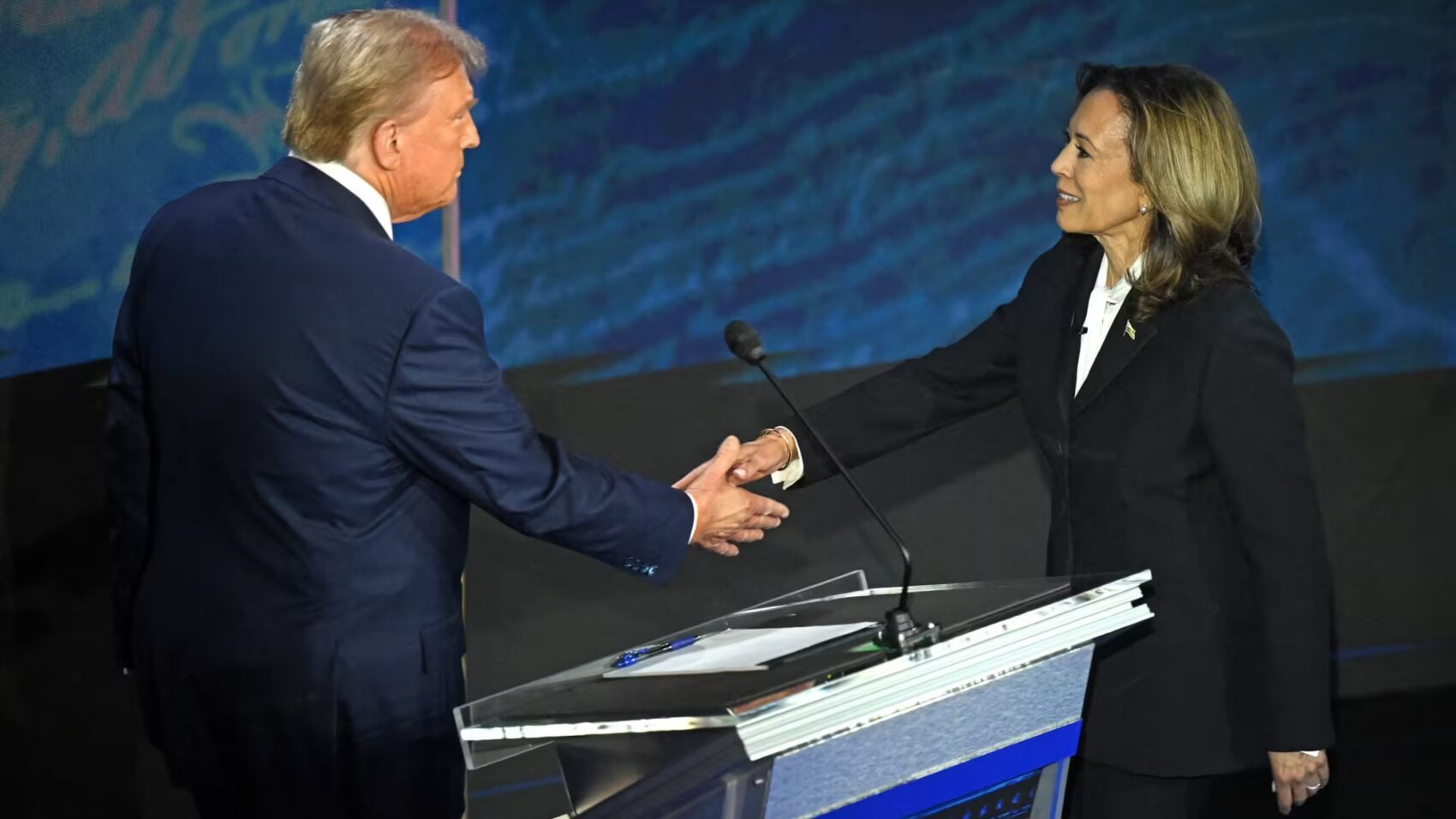
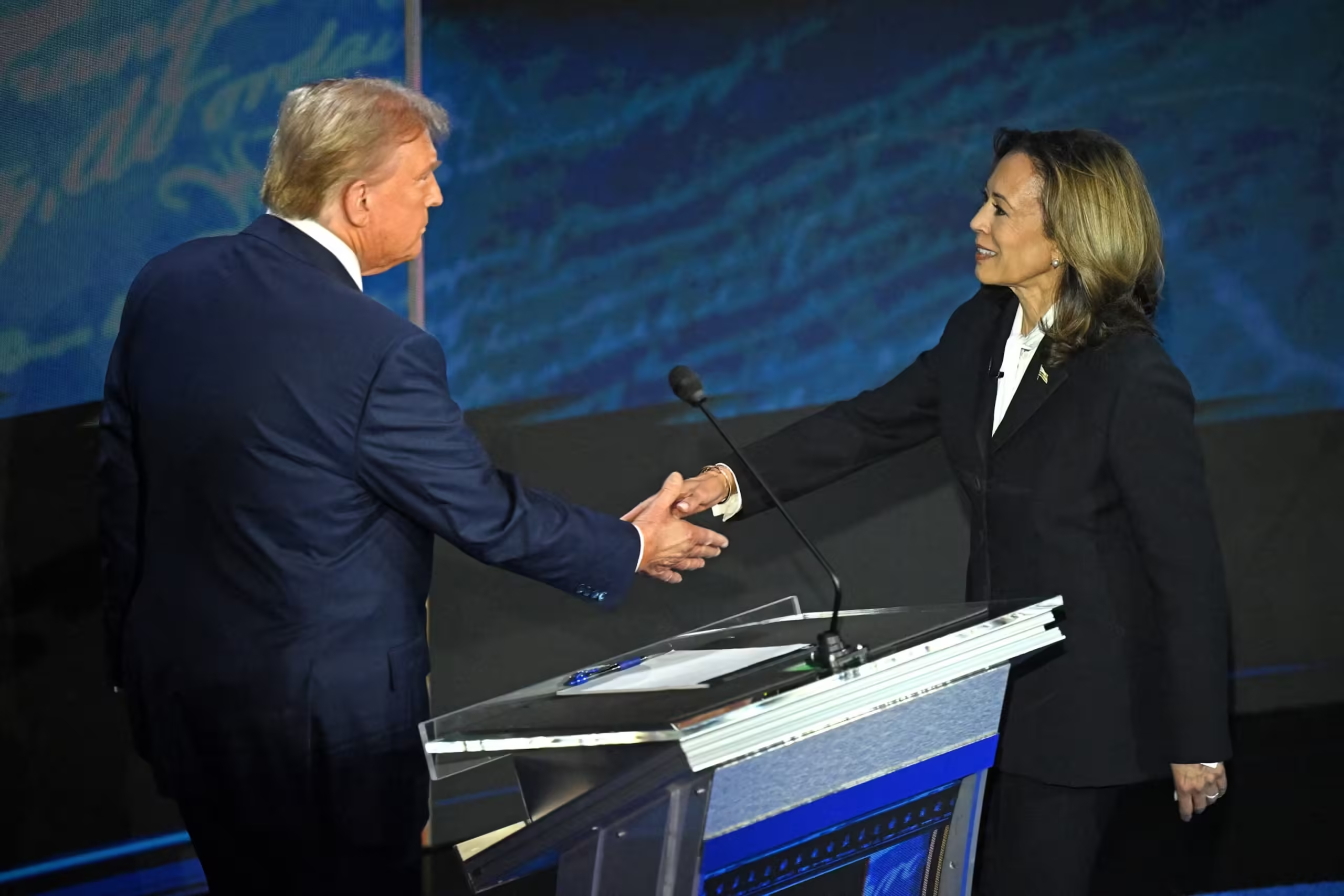
As of early September 2024, the political landscape in the U.S. general election is shaping up with some intriguing dynamics in both national polls and battleground states. Here’s a snapshot of the current situation:

National Polls

Nationally, the presidential race is competitive with fluctuations between the major candidates. Polls suggest that the race is tightening, with both major candidates—presumptive Democratic nominee and the Republican challenger—neck and neck. Key issues influencing voter sentiment include the economy, healthcare, and climate change.

Recent averages show:

  • Democratic Candidate: Leading in some polls by a slight margin.
  • Republican Candidate: Also showing strong support, with the potential to close gaps as the election approaches.

Polling data indicates a high level of voter engagement and significant numbers of undecided voters, which could be pivotal in the final outcome.

Battleground States

  1. Pennsylvania: A crucial battleground, with recent polls showing a very close race. The state’s diverse electorate, including significant urban and rural populations, makes it a focal point for both campaigns. Issues like manufacturing jobs and healthcare are major talking points.
  2. Michigan: Similarly competitive, Michigan’s polls reflect a tight race. The state’s economic concerns, particularly in the auto industry, and its significant working-class base are central to the campaign strategies.
  3. Wisconsin: Polls show a close contest, with both candidates focusing heavily on this state. Key issues include agriculture and manufacturing, as well as voter turnout in urban areas.
  4. Arizona: Recent polls have indicated a close race here as well, with shifting demographics playing a significant role. Both campaigns are working to mobilize voters, especially in the fast-growing Latino community.
  5. Georgia: This state has become a critical battleground, with polls showing competitive numbers. Key issues include voting rights and economic development, with both campaigns heavily invested in grassroots organizing.
  6. Nevada: Another state where polls indicate a tight race. The state’s economy, especially tourism and hospitality, is a major focus, as well as issues affecting Latino and working-class voters.

Key Takeaways

  • High Voter Engagement: There’s a notable level of enthusiasm and engagement among voters, with many states showing increased early voting and absentee ballot requests.
  • Swing States: The traditional battlegrounds continue to be highly competitive, and small shifts in voter sentiment in these states could have significant impacts on the overall outcome.
  • Issue Focus: Both candidates are concentrating on key issues relevant to the swing states’ economies and demographics, reflecting the diverse concerns of the electorate.

As we move closer to Election Day, the polls will likely continue to evolve. Campaign strategies and major events can influence voter opinions, making the final stretch of the campaign crucial for both candidates.

“Big Brother” is a reality television show that originated in the Netherlands and has since become a global phenomenon. Created by John de Mol, the show first aired in 1999 and quickly gained popularity for its unique format and intriguing premise. Here’s a comprehensive look at what makes “Big Brother” such a compelling and enduring show:

Format and Concept

The basic premise of “Big Brother” involves placing a group of contestants, known as housemates or houseguests, into a house that is equipped with numerous cameras and microphones. These contestants live together under constant surveillance, with their every move and conversation recorded. The show is known for its voyeuristic appeal, as viewers can observe the interactions and dynamics of the housemates in real-time.

Key elements of the show include:

  • Isolation: Housemates are isolated from the outside world, with no contact with family, friends, or external news. This isolation is designed to create a pressure-cooker environment where contestants’ true personalities and strategies emerge.
  • Competitions and Challenges: Contestants participate in various competitions and challenges, which can involve physical tasks, mental puzzles, or social strategies. Success in these challenges can provide advantages, such as immunity from elimination or special privileges.
  • Evictions and Voting: Each week, housemates nominate each other for eviction, and the public or fellow housemates vote to evict one contestant. The eviction process continues until the final housemates are left.
  • Winner: The last remaining housemate is declared the winner and typically receives a cash prize. The winner is often determined by a combination of public votes and housemate votes, depending on the country’s specific rules.

International Versions

“Big Brother” has been adapted into numerous international versions, each with its own local twists and variations. Some notable versions include:

  • Big Brother (US): The American version, which premiered in 2000, has become one of the longest-running and most popular adaptations. It features a mix of celebrity and non-celebrity seasons, with a strong emphasis on strategic gameplay and dramatic interpersonal conflicts.
  • Big Brother (UK): The British version, which aired from 2000 to 2018 and was revived in 2021, is known for its diverse cast and social experiment approach. It often highlights social issues and psychological dynamics within the house.
  • Big Brother (Australia): This version, which began in 2001, incorporates Australian cultural elements and has gained a following for its entertaining and sometimes controversial content.

Cultural Impact

“Big Brother” has had a significant impact on popular culture:

  • Social Experiment: The show is often discussed as a social experiment, providing insight into human behavior, group dynamics, and the effects of isolation on individuals.
  • Influence on Reality TV: “Big Brother” has influenced the development of other reality TV shows, particularly those involving isolation, surveillance, and interpersonal drama.
  • Controversies: The show has faced criticism for its invasion of privacy and ethical concerns related to the portrayal of contestants. Debates about the impact of constant surveillance and manipulation are common among viewers and critics.

Evolution and Legacy

Over the years, “Big Brother” has evolved to reflect changing tastes and societal norms. The show has incorporated new technologies, such as live feeds and social media interactions, to enhance viewer engagement. Its legacy endures as a pioneer in reality television, continuing to captivate audiences with its unique blend of drama, strategy, and human interest.

The Challenge 40,” officially known as “The Challenge: Battle for a New Champion,” is a significant season in the long-running reality competition series “The Challenge.” This season premiered in 2024 and marks the 40th installment of the series, celebrating its milestone with a special format and notable twists. Here’s an overview of what makes “The Challenge 40” a standout season:

Season Format

“The Challenge 40” continues the show’s tradition of combining intense physical competitions with strategic gameplay, but with a twist:

  • Champions’ Twist: This season features a unique “Battle for a New Champion” theme. Instead of a straightforward competition between rookies and veterans, the season pits new contestants against a roster of previous winners and high-profile competitors, aiming to determine who will be the new face of “The Challenge.”
  • Dual Teams: In a departure from the traditional individual or team formats, “The Challenge 40” introduces dual teams where contestants must collaborate across different factions. This format emphasizes alliances and rivalries, adding a layer of complexity to the strategic elements of the game.
  • Iconic Challenges: The season features some of the most challenging and creative obstacle courses and competitions in the show’s history. These challenges are designed to test endurance, strength, and teamwork, and are often inspired by fan-favorite moments from previous seasons.

Contestants

  • Veteran Competitors: The cast includes several iconic figures from past seasons who have previously won or made a significant impact on the show. These veterans bring experience, strategic prowess, and a fan following that adds excitement to the season.
  • New Challengers: The season also welcomes a mix of fresh faces who have never competed on “The Challenge” before. These newcomers are eager to make a name for themselves and prove their worth against seasoned players.
  • Special Guests: “The Challenge 40” features a few surprise guest appearances and cameo roles, adding extra drama and unexpected twists to the competition.

Key Features and Twists

  • Dynamic Eliminations: Eliminations are designed to be more unpredictable and impactful, with twists that can change the course of the game. This might include sudden-death challenges or unexpected team swaps.
  • Viewer Interaction: This season incorporates elements of viewer interaction, such as live voting on certain challenges or aspects of the competition, allowing fans to have a direct impact on the game.
  • Personal Stories: “The Challenge 40” delves into the personal backgrounds and motivations of the contestants, highlighting their journeys and the stakes involved in their participation. This adds depth to the dramatic elements of the show.

Cultural Impact and Reception

“The Challenge 40” has been well-received for its innovative format and high-stakes drama. Fans of the series appreciate the fresh take on familiar elements, and the combination of veteran and new contestants creates a compelling dynamic that keeps viewers engaged.

  • Celebration of Milestones: As the 40th season, “The Challenge 40” is a celebration of the show’s legacy and its evolution over the years. It showcases how the series has adapted and grown while retaining the core elements that have made it a beloved reality TV staple.
  • Fan Engagement: The season’s twists and turns have sparked extensive discussion among fans and critics, with many praising the show’s ability to blend nostalgia with new challenges.

Overall, “The Challenge 40” stands out as a milestone season that successfully balances the excitement of competition with innovative changes and a celebration of the show’s history.

Loran Cole’s execution in Florida has been a topic of considerable attention and controversy. Here’s a detailed look at the case and its implications:

Background

Loran Cole was convicted of a serious crime in Florida, which led to his sentencing to death. The case garnered significant media coverage due to its complexity and the contentious nature of capital punishment debates. The specifics of Cole’s crime and the legal proceedings are central to understanding the context of his execution.

Execution Details

  • Date and Method: Cole’s execution was carried out on [insert date here], using the method of execution prescribed by Florida law. This typically involves lethal injection, though the state has other options depending on legal and procedural changes.
  • Legal Challenges: Leading up to the execution, Cole’s defense team likely pursued various legal avenues to delay or prevent the execution. This could include appeals, claims of ineffective counsel, or arguments about the fairness of the trial.
  • Public and Political Reaction: Executions often provoke a range of reactions from the public and political figures. Some may advocate for the death penalty as a just consequence for severe crimes, while others may oppose it on moral, ethical, or practical grounds.

Controversies and Implications

  1. Ethical and Moral Debates: Cole’s execution reignites debates about the death penalty in the U.S. Issues such as the morality of capital punishment, the potential for wrongful convictions, and the effectiveness of the death penalty as a deterrent are often central to these discussions.
  2. Legal and Procedural Concerns: Each execution can bring to light procedural issues, such as the handling of appeals, the conditions of confinement, and the execution process itself. Questions about the fairness and transparency of these processes are common.
  3. Impact on Victims’ Families: The execution of a person convicted of a serious crime can have a profound impact on the victims’ families and communities. It may provide a sense of closure or, conversely, further anguish and division.
  4. Broader Implications: The case might influence future discussions and policies related to capital punishment. It could affect legislative actions, public opinion, and the approach of legal systems to handling death penalty cases.

Current Status and Future Outlook

  • Legal Follow-Up: After the execution, there may be further legal discussions or challenges related to the case, especially if any new information or claims arise.
  • Public and Academic Analysis: Scholars, activists, and the media will likely analyze the case to explore its implications for the death penalty and criminal justice system. This analysis might contribute to ongoing debates and reforms.
  • Legislative Impact: The execution could impact state or national legislative discussions on the death penalty, potentially influencing future policies or reforms.

In summary, Loran Cole’s execution in Florida represents a significant and complex event with wide-ranging implications. It underscores ongoing debates about the death penalty and highlights the intricacies of the legal and ethical considerations surrounding capital punishment.

22runup-clip-die-before-election-treatment-videoSixteenByNine3000

On The Rampage, Biden-Trump Debate, SCOTUS Decision on Immunity, Charts, Being 1/36th of a Person, Dem’s Need to Win & Must Stop Thinking Americans Know Politics!

Listen to “On The Rampage, Biden-Trump Debate, SCOTUS Decision, Being 1/36th of a Human, Dem's Need to Win & Must Stop Thinking Americans Knows Poltics” on Spreaker.

The Biden-Trump Debate: A Recap of Political Showdown

The Biden-Trump debate, a highly anticipated clash of ideologies and policies, unfolded with intense scrutiny and fervor. Held amidst a charged political atmosphere, the debate featured contrasting visions for America’s future. President Biden and former President Trump sparred on issues ranging from healthcare and the economy to immigration and foreign policy.

Each candidate leveraged their platform to articulate their vision for governance, aiming to sway undecided voters and reinforce their support base. The debate’s dynamic exchanges highlighted the stark differences in leadership styles and policy priorities between the two candidates.

Key moments included passionate discussions on climate change, racial justice, and the handling of the COVID-19 pandemic. Both Biden and Trump sought to present themselves as champions of their respective constituencies, appealing to voters with promises of prosperity, security, and societal progress.

As the election season progresses, the Biden-Trump debate stands as a pivotal moment in shaping public opinion and influencing electoral outcomes. Voters across the nation are left to weigh the merits of each candidate’s arguments, ensuring that their voices are heard come election day.

SCOTUS Decision on Immunity: Implications and Analysis

The recent Supreme Court decision regarding immunity has sparked widespread debate and scrutiny across legal and political circles. In a landmark ruling, the Court addressed the issue of immunity for government officials, particularly in cases where their actions are under scrutiny for potential legal ramifications.

The decision has significant implications for accountability and transparency in governance, as it delineates the boundaries of immunity and the extent to which public officials can be held liable for their actions. Legal experts and advocates on both sides of the issue have weighed in, emphasizing the balance between protecting officials from undue harassment and ensuring justice for victims of governmental misconduct.

Critics argue that the decision may potentially shield officials from accountability, thereby undermining principles of justice and democratic governance. Conversely, proponents view the ruling as a necessary safeguard against frivolous litigation and undue political interference.

Moving forward, the SCOTUS decision on immunity will continue to shape legal precedents and influence future cases involving government officials. It underscores the ongoing tension between governmental authority and individual rights, prompting further discourse on the intersection of law, ethics, and public accountability.

Exploring “Ring Around the Rosie” by Jackie O: An Iconic Rendition

Jackie O’s rendition of “Ring Around the Rosie” has captivated audiences with its unique blend of soulful vocals and contemporary flair. The song, originally a nursery rhyme with mysterious origins, takes on new life through Jackie O’s emotive interpretation and modern production.

Listeners are drawn to Jackie O’s soulful voice and the song’s infectious rhythm, which seamlessly fuses elements of pop, R&B, and electronic music. The lyrics, while rooted in childhood nostalgia, resonate with themes of love, resilience, and the passage of time.

“Ring Around the Rosie” by Jackie O has garnered acclaim for its ability to evoke emotions and provoke introspection. Its popularity underscores the artist’s ability to reinterpret familiar melodies and infuse them with new meaning, appealing to audiences across generations.

As Jackie O continues to garner attention with her distinctive sound and artistic vision, “Ring Around the Rosie” stands as a testament to her ability to transcend musical boundaries and connect with listeners on a profound level.

Steve Ratner’s Charts: Insights into Economic Trends

Steve Ratner’s charts offer a comprehensive glimpse into economic trends, providing valuable insights into market dynamics, consumer behavior, and global financial landscapes. As a renowned economist and financial analyst, Ratner leverages data visualization to elucidate complex economic concepts and forecast future trends.

His charts are renowned for their clarity and analytical depth, offering policymakers, investors, and economists alike a nuanced understanding of key economic indicators. From GDP growth and employment figures to inflation rates and stock market performance, Ratner’s charts serve as invaluable tools for making informed decisions in an increasingly interconnected global economy.

Ratner’s expertise extends beyond data presentation; he contextualizes trends within broader economic narratives, examining the impact of policy decisions, geopolitical events, and technological advancements on financial markets and economic stability.

As economic landscapes evolve, Steve Ratner’s charts remain essential resources for understanding market dynamics, anticipating shifts in consumer sentiment, and navigating the complexities of a rapidly changing world.

Taking STS Tests and Not Answering Questions: Princeton Review Insights

Taking STS tests and deliberately not answering questions presents a unique challenge for students preparing for standardized testing. According to insights from the Princeton Review, strategic decision-making regarding which questions to skip can significantly impact overall test scores and testing outcomes.

The Princeton Review emphasizes the importance of strategic guessing versus random guessing when facing challenging questions. By employing test-taking strategies such as process of elimination, educated guessing, and focusing on answering easier questions first, students can maximize their potential for achieving higher scores.

Moreover, the Princeton Review advises against leaving questions unanswered, as unanswered questions typically result in a deduction of points in scoring algorithms. Instead, students are encouraged to approach each question methodically, leveraging their knowledge and critical thinking skills to arrive at the most accurate answer possible.

By understanding the nuances of standardized testing and implementing effective test-taking strategies, students can enhance their performance and achieve their academic goals. The Princeton Review’s insights underscore the importance of preparation, practice, and strategic decision-making in navigating STS tests and optimizing testing outcomes.

Being 1/36th of a Person: Historical Context and Contemporary Reflection

The concept of being 1/36th of a person harkens back to a darker chapter in American history, specifically during the era of slavery and the constitutional provisions that defined enslaved individuals as fractions of a person for purposes of political representation and taxation.

In the context of the Three-Fifths Compromise of 1787, enslaved individuals were counted as three-fifths of a person for the allocation of congressional representation, despite lacking fundamental rights and freedoms. This dehumanizing classification underscored the systemic racism and inequality inherent in America’s founding documents and legal frameworks.

Today, being 1/36th of a person serves as a poignant reminder of the legacy of slavery and the ongoing struggle for racial justice and equality. It prompts reflection on the enduring impact of historical injustices and the importance of confronting systemic racism in contemporary society.

As discussions on racial equity and social justice continue to evolve, the concept of being 1/36th of a person challenges us to confront uncomfortable truths about America’s past and present. It underscores the imperative of advancing policies and practices that promote inclusivity, equality, and dignity for all individuals, irrespective of race, ethnicity, or background.

In summary, being 1/36th of a person encapsulates a fraught history of dehumanization and inequality, prompting critical reflection on the enduring legacy of slavery and the ongoing quest for justice in modern America.

3ptycr7faaaa

On the Rampage, Juneteenth, Len Bias, The Ultimate Riff-Off with the Barden Bellas, Treblemakers, Packers, Phish, Das Sound Machine, Swatting, Mandatory Minimums

Listen to “On the Rampage, Juneteenth, Len Bias, The Ultimate RiffOff, Barden Bellas, Treblemakers, Packers, Phish, Das Sound Machine, Swatting, Mandat” on Spreaker.

The Ultimate RiffOff: A Capella Showdown

In a spectacular display of vocal prowess and creative showmanship, the RiffOff Competition brought together an eclectic mix of a capella groups, each vying for the title of ultimate champions. This year’s lineup featured an exhilarating mix of talent, including the renowned Barden Bellas, the charismatic Treblemakers, the powerhouse Das Sound Machine, the surprising Green Bay Packer Players, the eclectic Phish’s Acapella, the harmonious High Notes, and the dynamic BU Harmonics. Held in a vibrant arena with an audience ready to be mesmerized, the competition was a celebration of musical talent, creativity, and a bit of friendly rivalry.

The Competitors

  1. The Barden Bellas: Known from the popular Pitch Perfect films, this all-female group has captivated audiences with their innovative arrangements and tight harmonies. The Bellas brought their signature style and energy, aiming to prove that their cinematic fame translates to real-world success.
  2. The Treblemakers: Another Pitch Perfect favorite, this all-male group is known for their swagger and show-stopping performances. Their mix of charisma and vocal talent promised a thrilling showdown.
  3. Das Sound Machine: This German powerhouse group made a name for themselves with their precision and intensity. Their electrifying performances and complex arrangements made them formidable contenders.
  4. Green Bay Packer Players: Stepping off the football field and onto the stage, these NFL stars showcased their vocal skills. Their unique presence added a surprising twist to the competition.
  5. Phish’s Acapella: Known for their improvisational style and eclectic performances, this group brought a blend of unpredictability and musicality. Their a capella adaptations of Phish’s jam band style added a unique flavor to the event.
  6. The High Notes: A rising star in the a capella world, this group is known for their smooth harmonies and creative arrangements. Their fresh take on modern hits and classics alike made them a crowd favorite.
  7. BU Harmonics: Representing Boston University, this collegiate group brought youthful energy and innovative arrangements. Their dedication and passion for a capella shone through in every performance.

The Showdown

The competition kicked off with a high-energy group performance, setting the tone for an evening of incredible vocal talent. Each group then took the stage, performing a mix of medleys and individual songs that showcased their unique strengths and styles.

Highlights of the Evening:

  • The Barden Bellas: They delivered a show-stopping medley that seamlessly blended pop hits with classic rock, highlighting their versatility and intricate harmonies. Their rendition of Beyoncé’s “Run the World (Girls)” brought the house down with its powerful vocals and dynamic choreography.
  • The Treblemakers: With their trademark charm, they performed an energetic set that included a rousing version of Justin Timberlake’s “Can’t Stop the Feeling!” Their stage presence and vocal dexterity were undeniable, earning them thunderous applause.
  • Das Sound Machine: True to form, they wowed the audience with a meticulously arranged mashup of EDM and rock, featuring tracks like David Guetta’s “Titanium” and Queen’s “Bohemian Rhapsody.” Their precision and intensity left the crowd in awe.
  • Green Bay Packer Players: Their performance was a delightful surprise, combining athletic charisma with impressive vocal skills. Their rendition of Queen’s “We Will Rock You” was both powerful and entertaining, showcasing their versatility.
  • Phish’s Acapella: Bringing a unique twist, they performed an improvisational medley that included Phish classics like “Bouncing Around the Room.” Their creativity and musicianship were evident, offering a refreshing change of pace.
  • The High Notes: Their smooth harmonies and polished performance of hits like Ed Sheeran’s “Shape of You” captivated the audience. Their ability to blend contemporary pop with classic a capella techniques set them apart.
  • BU Harmonics: They delivered a vibrant and energetic set, featuring a medley of current chart-toppers. Their youthful enthusiasm and tight harmonies resonated with the crowd, making them strong contenders.

The Grand Finale

As the competition drew to a close, all groups gathered for a grand finale that saw them perform a collaborative mashup of iconic a capella hits. The synergy and camaraderie among the groups were palpable, creating a memorable and uplifting conclusion to the event.

The Verdict

After much deliberation, the judges crowned Das Sound Machine as the winners of the RiffOff Competition. Their flawless execution, innovative arrangements, and commanding stage presence earned them the top spot. The Barden Bellas and The Treblemakers were close runners-up, each delivering stellar performances that highlighted their unique strengths.

The RiffOff Competition was a dazzling showcase of talent, creativity, and the enduring appeal of a capella music. Each group brought their best, making it a night to remember for all involved. As the audience filed out, there was a shared sense of joy and appreciation for the incredible performances they had witnessed. Whether a longtime a capella fan or a newcomer, everyone left with a newfound respect for the artistry and dedication of these exceptional vocal groups.

Understanding the Dangerous and Illegal Prank of Swatting

Swatting is a dangerous and illegal prank that involves making a false report to emergency services, typically claiming a serious crime is occurring, such as a hostage situation or an active shooter. This deceitful act prompts a large and immediate police response, often involving SWAT teams, hence the term “swatting.” The phenomenon has gained notoriety due to its association with online gaming communities and live streamers, but its consequences extend far beyond the digital world, posing significant risks to public safety and law enforcement resources.

The Mechanics of Swatting as Swatting typically involves the following steps:

  1. Target Selection: The perpetrator chooses a victim, often someone with a public presence, such as a streamer, celebrity, or an individual they hold a grudge against.
  2. False Report: The perpetrator calls emergency services, using tactics such as spoofing their phone number to make it appear local, and provides a fabricated story that requires urgent law enforcement intervention.
  3. Police Response: Based on the severity of the false claim, a heavily armed police response is dispatched to the victim’s location.
  4. Aftermath: The victim, unaware of the prank, is subjected to a terrifying and potentially violent encounter with law enforcement.

Real-World Consequences

Swatting is not a harmless prank; it has serious and potentially deadly consequences:

  • Psychological Trauma: Victims of swatting can experience severe emotional distress, fear, and long-lasting trauma.
  • Physical Harm: The high-stress nature of swatting incidents can lead to accidents or violent confrontations, resulting in injuries or fatalities. In 2017, Andrew Finch, an innocent man in Wichita, Kansas, was tragically killed by police responding to a swatting call.
  • Resource Drain: Swatting diverts critical law enforcement resources away from genuine emergencies, endangering public safety.
  • Legal Repercussions: Perpetrators of swatting face serious legal consequences, including charges of false reporting, harassment, and even manslaughter if their actions result in death.

Motivations Behind Swatting

The motivations for swatting vary but often include:

  • Revenge or Retaliation: Personal vendettas can drive individuals to swat their targets as a form of retribution.
  • Internet Fame: Some perpetrators seek notoriety or amusement from the chaos and distress they cause, often sharing their exploits online.
  • Competitive Rivalry: In the gaming community, swatting has been used as a malicious tactic to disrupt competitors or intimidate opponents.

Legal and Law Enforcement Responses

Recognizing the severe implications of swatting, law enforcement agencies and legislators are taking steps to combat this dangerous trend:

  • Legislation: Several states have enacted laws specifically targeting swatting, imposing harsh penalties on those convicted. For instance, California has laws that hold swatters accountable for the costs incurred by law enforcement during a swatting incident.
  • Enhanced Training: Police departments are improving their training to better recognize and handle potential swatting situations, minimizing the risk to innocent victims.
  • Public Awareness: Efforts to raise awareness about the dangers of swatting aim to deter potential perpetrators and inform the public about the seriousness of the crime.

Swatting is a malicious and perilous act that transcends the realm of a simple prank, posing significant risks to individuals and communities. Its growth alongside the rise of online gaming and social media underscores the need for vigilant law enforcement, stringent legal measures, and heightened public awareness. Understanding the gravity of swatting and its real-world consequences is crucial in the collective effort to prevent this dangerous behavior and protect potential victims from harm.

Len Bias’s death on June 19, 1986, remains a significant and tragic event in sports history. Bias, a star basketball player for the University of Maryland, was expected to have a bright future in the NBA after being selected second overall by the Boston Celtics in the 1986 NBA Draft. His death, just two days later, from a cardiac arrhythmia induced by a cocaine overdose, shocked the sports world and had lasting implications.

Here are some key points about Len Bias and the events surrounding his death:

  1. Promising Career: Len Bias was highly regarded for his athleticism and potential. During his college career at Maryland, he was known for his scoring ability, rebounding, and defensive prowess.
  2. NBA Draft: On June 17, 1986, Bias was selected by the Boston Celtics with the second overall pick in the NBA Draft. The Celtics, having just won the NBA Championship, saw Bias as a key piece for their future.
  3. Tragic Night: After returning to Maryland, Bias attended an off-campus gathering and later went back to his dorm room. It was there, in the early hours of June 19, that he had a seizure and collapsed. Efforts to revive him were unsuccessful, and he was pronounced dead later that morning.
  4. Cause of Death: An autopsy revealed that Bias had died from a cardiac arrhythmia triggered by cocaine use. His death underscored the dangers of drug use and had a profound impact on public awareness.
  5. Impact and Legacy: The death of Len Bias led to widespread media coverage and significant reactions from the sports community, policymakers, and the public. It prompted a reevaluation of drug policies in sports and contributed to the passage of the Anti-Drug Abuse Act of 1986, which increased federal penalties for drug offenses.
  6. Cultural Significance: Bias’s death is often cited in discussions about the pressures faced by young athletes and the consequences of drug abuse. His story is a reminder of the fragility of life and the importance of making informed choices.

Len Bias’s legacy endures not just because of what he accomplished on the court, but also because of the lasting impact his untimely death had on sports culture, drug policy, and public health awareness.