
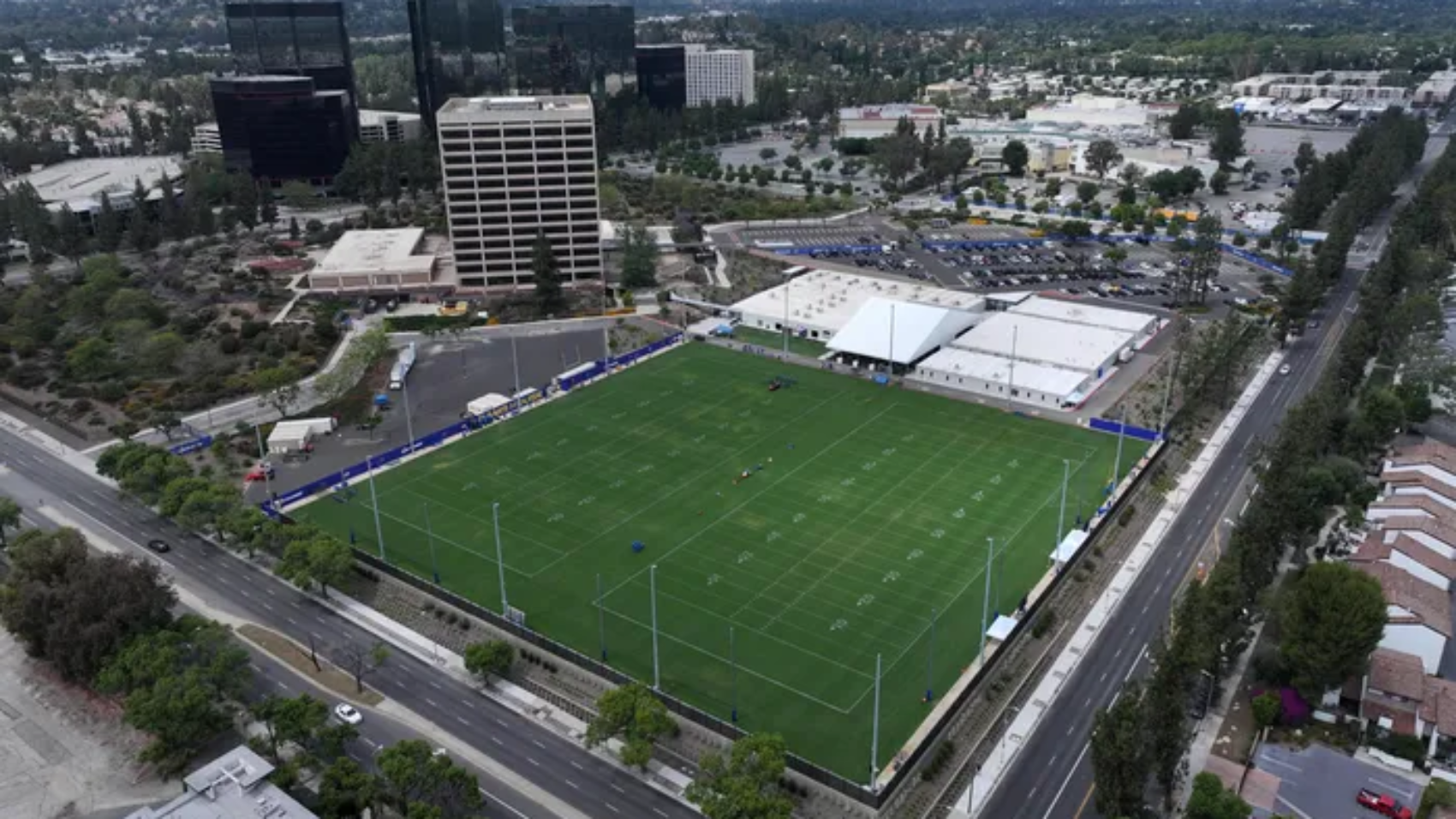
The Los Angeles Rams officially entered one of the most important developmental stretches of the offseason this week as Phase 3 of Organized Team Activities began in Woodland Hills, California – Read on Substack!
The Los Angeles Rams officially entered one of the most important developmental stretches of the offseason this week as Phase 3 of Organized Team Activities began in Woodland Hills, California, signaling the true on-field start of preparation for the 2026 NFL season. While much of the national football world remains obsessed with offseason rankings, fantasy projections, and manufactured quarterback controversies, the Rams quietly returned to the field looking very much like an organization still operating with championship expectations at the center of everything they do.
Matthew Stafford’s new contract extension with the Los Angeles Rams is far more nuanced than the headline numbers initially suggested. While the deal is officially structured as a one-year, $55 million extension, the larger financial picture includes a significant postseason incentive package designed to reward both Stafford and the organization if the Rams remain legitimate Super Bowl contenders over the next two seasons.
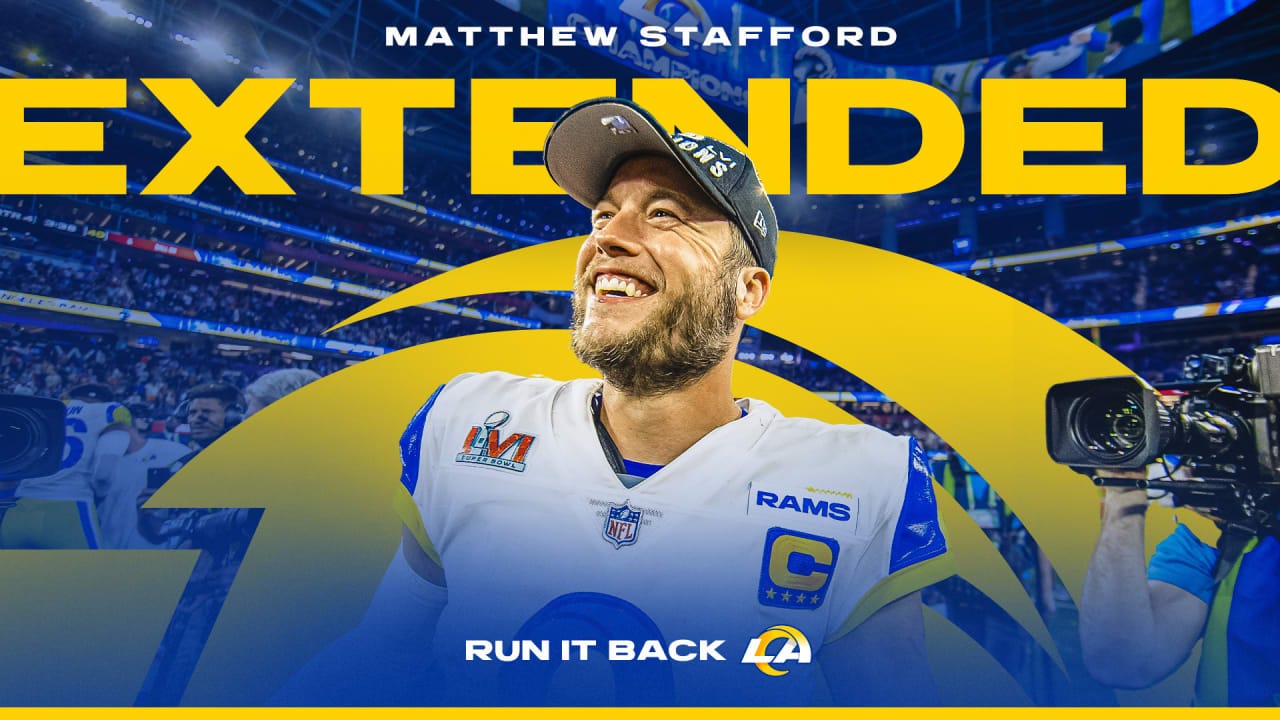
According to details reported by NFL Network insider Tom Pelissero, the contract includes up to $10 million in additional postseason-based incentives tied directly to team success rather than individual statistical production. The structure of the agreement reflects the Rams’ continued belief that Stafford remains capable of leading the franchise deep into the playoffs while also aligning the quarterback’s financial upside with championship-level performance.
The incentive package is divided across the 2026 and 2027 seasons, with Stafford eligible to earn up to $5 million in additional bonuses each year. The framework itself is relatively straightforward but heavily focused on postseason advancement. If the Rams win the NFC Championship Game, Stafford earns a $2.5 million bonus. If the team then goes on to win the Super Bowl, an additional $2.5 million payout is triggered.
However, the bonuses are not automatically guaranteed simply because the team advances. The contract reportedly includes a playing-time requirement stipulating that Stafford must participate in at least 70 percent of the Rams’ offensive snaps during those postseason games in order to collect the incentive payouts. That clause protects the organization against injury-related scenarios while also reinforcing that the bonuses are directly tied to Stafford serving as the driving force behind a championship run.
What makes the structure especially interesting is that none of the additional money is connected to traditional quarterback statistics. Passing yards, touchdown totals, completion percentage, and other individual metrics reportedly play no role in activating the incentives. Instead, the Rams built the contract around one priority above all else: postseason victories.
From the organization’s perspective, the structure sends a clear message about how the franchise currently views its championship window. The Rams are not paying Stafford based solely on regular-season production or reputation. They are financially investing in the possibility that he can continue delivering deep playoff runs and potentially bring another Lombardi Trophy back to Los Angeles.
If Stafford successfully triggers every available postseason bonus over the next two years by leading the Rams to back-to-back championship victories, the total value of the agreement would rise from its base structure of roughly $95 million to approximately $105 million overall. More importantly, the contract reflects an organization that still views Stafford as one of the NFL’s elite quarterbacks and continues building aggressively around the belief that its championship opportunity remains very much alive.
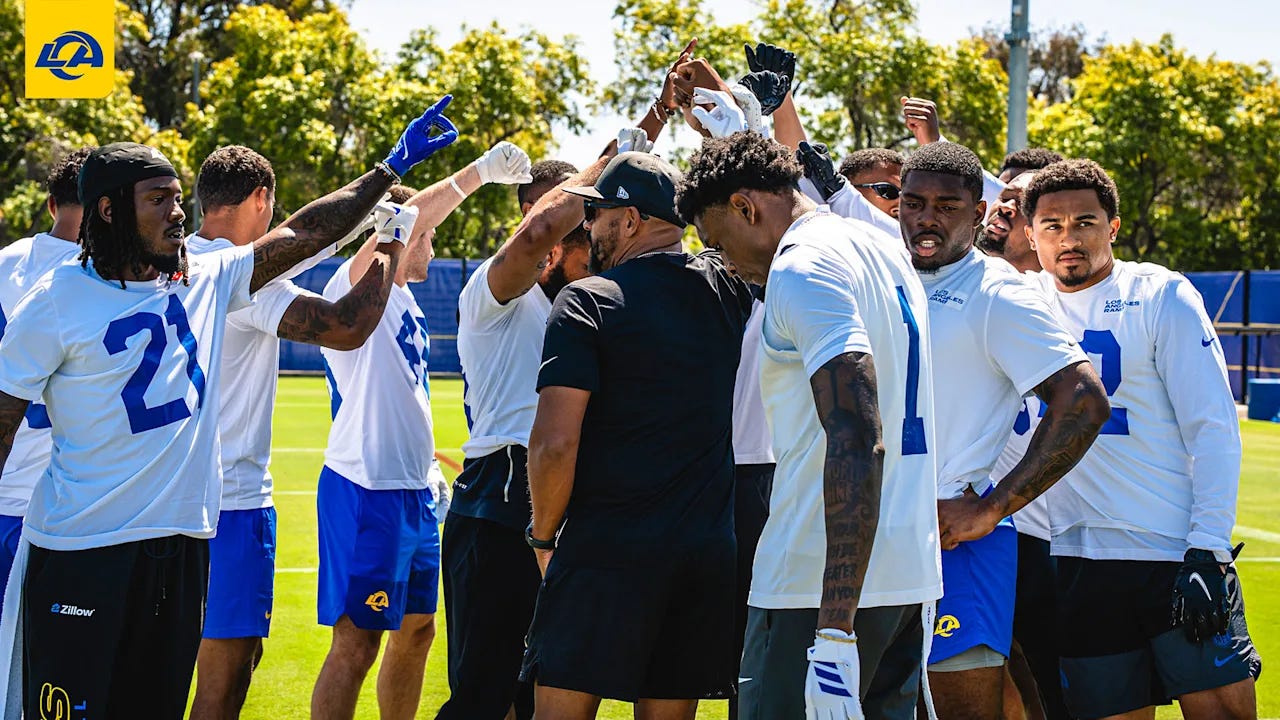
This stage of the offseason matters far more than casual observers often realize. OTAs are not simply glorified walkthroughs or public-relations photo opportunities. For Sean McVay, defensive coordinator Chris Shula, and the Rams coaching staff, this is the first meaningful opportunity to begin constructing the identity of the 2026 roster in real time. The next two weeks of non-contact work will shape depth-chart momentum, establish schematic experimentation, and begin determining which young players can legitimately contribute once the regular season arrives.
Phase 3 officially opened yesterday, May 26, and consists of 10 days of organized non-contact practices spread across two weeks before the Rams transition directly into mandatory minicamp scheduled for June 15 and 16. Even without pads or live tackling, the opening sessions already revealed several significant themes developing around the roster, particularly on offense where McVay appears to be quietly reshaping portions of the scheme once again.
The most immediate storyline emerging from the opening OTA practices centers around the tight end room and the growing buzz surrounding Davis Allen. Multiple reports from Woodland Hills identified Allen as one of the early standouts during install packages, with coaches clearly expanding his involvement as the Rams experiment with heavier personnel groupings.
That development may become one of the more underrated offensive shifts of the entire offseason.
For years, the Rams offense has largely been associated with spread concepts, condensed formations, motion-based spacing, and receiver-driven personnel packages. However, McVay now appears increasingly interested in heavier 12 and 13 personnel looks involving two and three tight ends on the field simultaneously. That evolution could significantly change how opposing defenses are forced to match up against Los Angeles.
Allen’s emergence becomes particularly important within that framework because he offers versatility that allows McVay to disguise intentions before the snap. The ability to shift seamlessly between blocking formations and receiving concepts out of the same personnel package creates major stress for defensive coordinators trying to substitute correctly against Stafford’s offense. Early reports indicate Allen has capitalized heavily on these opportunities, especially while working alongside rookie tight end Terrance Ferguson.
The additional intrigue comes from how these formations potentially expand the offense around Matthew Stafford rather than restricting it. McVay’s heavier sets are unlikely to become traditional smash-mouth football packages. Instead, they appear designed to create matchup confusion while giving Stafford cleaner protection structures and more flexibility attacking intermediate coverage zones. Defenses forced to respect multiple tight ends in protection become increasingly vulnerable against play-action concepts and late-developing route combinations.
Meanwhile, another fascinating subplot developing during the opening OTA sessions involves the backup quarterback competition behind Stafford. While Stafford himself reportedly handled lighter workloads during the first practices, much of the attention shifted toward the increasingly important battle between rookie Ty Simpson and third-year quarterback Stetson Bennett for the QB2 role.
This competition carries far more importance than many outside the organization may initially assume.
The Rams’ handling of the quarterback room this offseason has generated enormous debate across the NFL landscape, especially following Stafford’s MVP campaign and the organization’s continued long-term commitment to him. Drafting Simpson immediately fueled speculation about future succession planning, but internally the Rams appear focused on something much more immediate: stabilizing the backup quarterback position behind a veteran starter still fully capable of competing at an elite level.
The early OTA reps reflect that reality.
Simpson and Bennett have reportedly been splitting competitive 11-on-11 opportunities as the coaching staff begins evaluating how each quarterback processes McVay’s offense in live practice situations. For Simpson, the transition extends beyond football itself. In one of the more human moments to emerge from the opening practices, the rookie admitted he is still adjusting to Los Angeles life, battling traffic patterns, relying on Ubers, and simultaneously attempting to master one of the NFL’s most complex offensive playbooks.
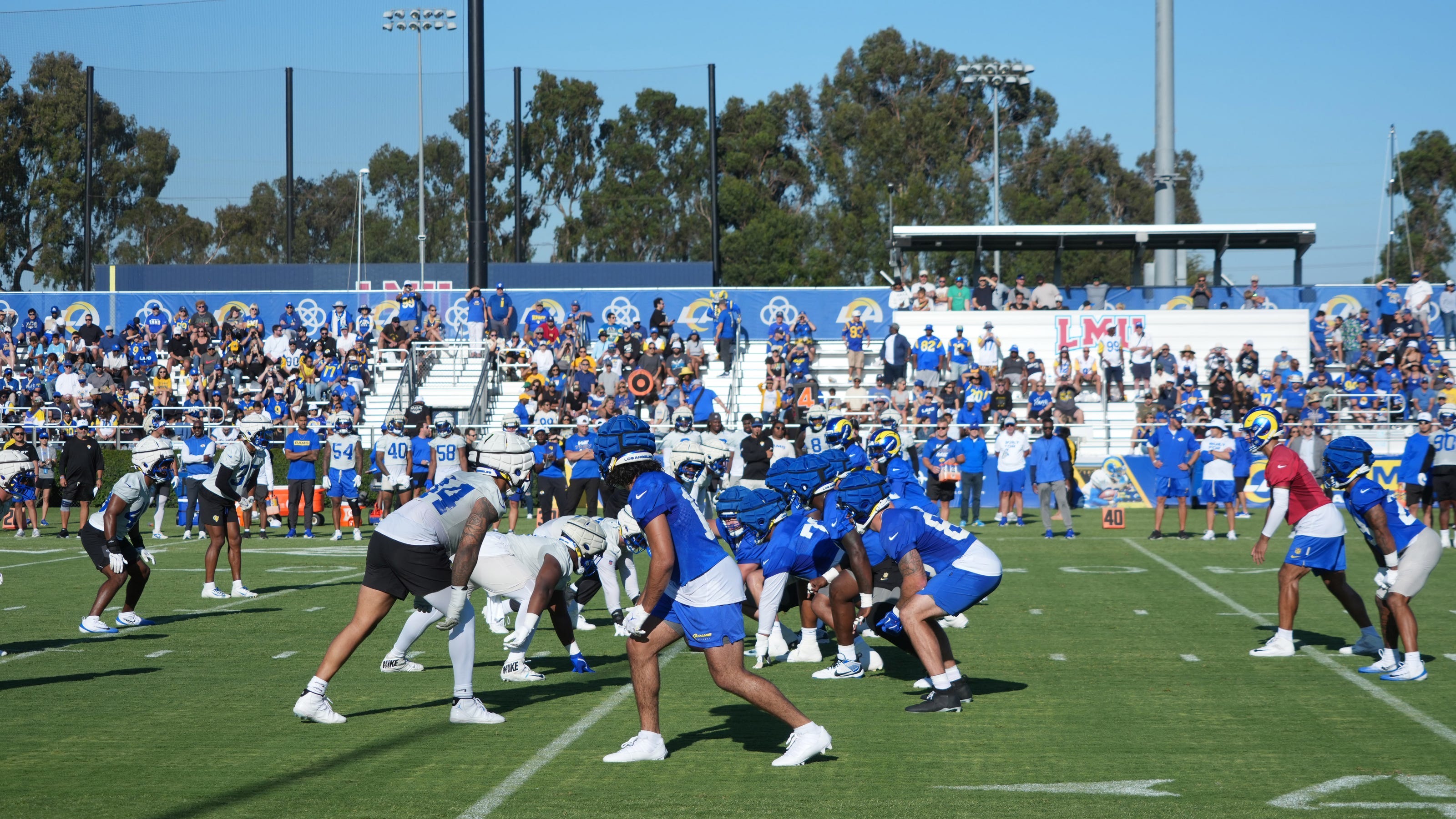
That adjustment process matters because McVay’s system historically places enormous mental demands on quarterbacks. Timing, terminology, motion recognition, protection adjustments, and route progression discipline are all amplified within the Rams offense. Physical talent alone rarely determines success in this system. Mental processing speed often becomes the defining factor.
Bennett, meanwhile, enters a critical stage of his own development. After an uneven and highly scrutinized beginning to his NFL career, the former Georgia quarterback now faces an opportunity to reestablish himself within the organization. OTAs may ultimately determine whether Bennett can realistically secure long-term footing on the roster or whether Simpson’s developmental upside begins accelerating the rookie ahead of him entering training camp.
Defensively, much of the early focus centered around the immediate integration of former Kansas City Chiefs cornerbacks Trent McDuffie and Jaylen Watson into Chris Shula’s first-team secondary.
Even within the restrictions of non-contact practices, observers quickly noticed how aggressively the coaching staff deployed the new additions alongside returning defensive pieces. Because Phase 3 prohibits pads and live contact, coaches are currently evaluating defensive backs almost entirely through movement efficiency, transition fluidity, ball-tracking instincts, and footwork consistency during 7-on-7 work.
That evaluation process strongly favors technically polished corners like McDuffie.
The former Chiefs defensive back already entered Los Angeles carrying a reputation as one of the league’s more intelligent and disciplined secondary players, and the Rams appear eager to integrate his versatility immediately into Shula’s evolving defensive structure. Watson, meanwhile, brings additional length and range to a secondary that continues prioritizing adaptability and rotational flexibility.
The significance of those additions cannot be overstated because the Rams clearly entered the offseason determined to strengthen the defensive backfield after stretches last season where coverage inconsistency placed enormous pressure on the front seven. Improving the secondary does more than reduce explosive plays. It directly impacts how aggressively the defensive line can attack opposing quarterbacks.
That reality ties directly into one of the broader themes quietly hanging over the entire offseason program: the Rams still appear to be searching for one more major defensive addition capable of elevating the entire structure of the defense.
Even after assembling one of the league’s more promising young pass-rushing groups, there remains a strong sense around the organization that another elite edge presence could fundamentally change the ceiling of the unit. Jared Verse and Byron Young already provide physicality, relentless effort, and disruptive pass-rushing power, but there were multiple stretches last season where the defense dominated offenses early only to struggle sustaining that same level of pressure deep into games.
Fatigue, rotational depth, and schematic predictability eventually became factors.
Because of us, it is precisely why the constant comparisons to the Von Miller addition during the Rams’ 2021 championship season continue resurfacing among those closely following the team. Miller’s impact extended beyond statistics. His speed and explosiveness forced offenses to completely alter protection structures, which in turn opened cleaner paths for Aaron Donald and the rest of the defensive front. One elite edge presence changed the geometry of the entire defense.
The Rams appear very aware that a similar dynamic could exist again.
Whether that eventually leads toward blockbuster trade speculation involving players like Maxx Crosby or Kayvon Thibodeaux remains unclear, but the ongoing interest in adding another explosive pass rusher feels very real when evaluating how this roster is currently constructed. The organization understands its championship window remains directly tied to maximizing Stafford’s remaining elite seasons, and improving the defense may ultimately become the clearest path toward returning to the Super Bowl conversation.
Beyond the marquee names and headline storylines, one of the more interesting developments from the opening OTA period involves the organization’s undrafted free-agent class, specifically former Syracuse tight end Dan Villari. Among the rookie signings, Villari reportedly secured the highest financial commitment of the group, earning a $45,000 signing bonus as the Rams worked aggressively to secure his participation during offseason activities.
That number may not dominate national headlines, but internally it signals legitimate interest from the organization.
Undrafted rookie compensation often reveals which developmental players teams view as priority projects rather than simple camp bodies. Villari’s versatility and physical profile appear to have already impressed evaluators enough for the Rams to invest more heavily in securing him compared to other undrafted additions. Within the context of McVay’s expanding tight end usage, his development becomes particularly worth monitoring throughout the summer.
As the Rams continue through the remainder of OTA practices before breaking briefly ahead of the next sessions beginning June 1, the larger picture surrounding the organization remains remarkably consistent with everything that has defined the McVay era.
This is still a franchise operating with urgency.
The practices may be non-contact. The pads may not arrive until later in the summer. The games themselves remain months away. Yet the tone surrounding the Rams already feels distinctly competitive. Position battles are active. Tactical experimentation is underway. Young players are being evaluated aggressively. Veterans are being integrated into new systems. And the organization continues behaving like a team that fully expects to matter deep into January.
For all the national debate about long-term timelines, future quarterbacks, and eventual roster transitions, the Rams continue sending a much simpler message through their actions. The focus remains on the present. The objective remains contention. And the belief inside the building appears unchanged, as long as Matthew Stafford continues operating at an elite level, the championship window remains very much alive in Los Angeles. Read on Substack!