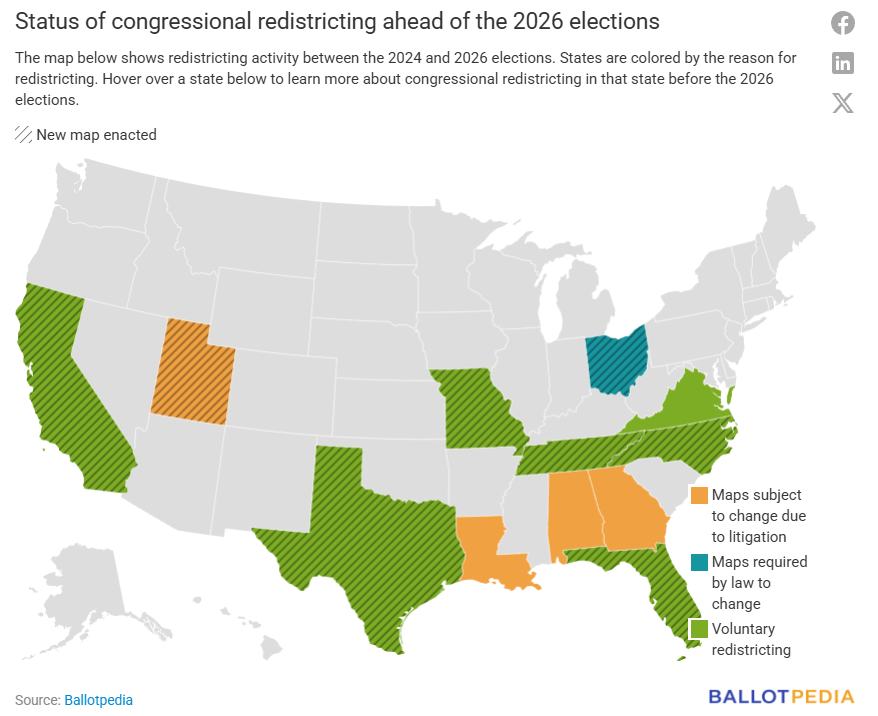
The modern Southern redistricting battle is usually discussed in sanitized political language. Analysts talk about “mid-decade map corrections

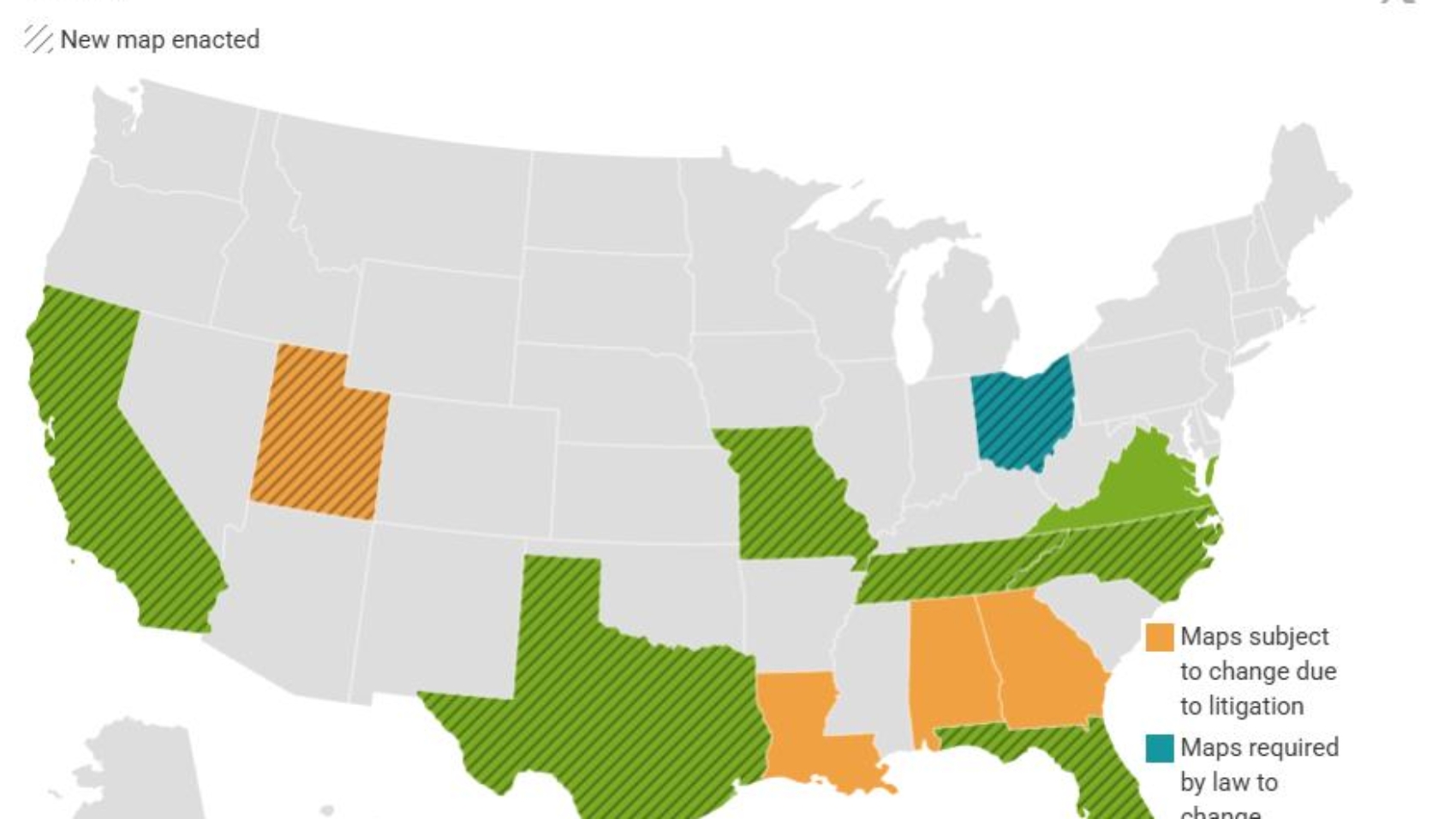
The modern Southern redistricting battle is usually discussed in sanitized political language. Analysts talk about “mid-decade map corrections
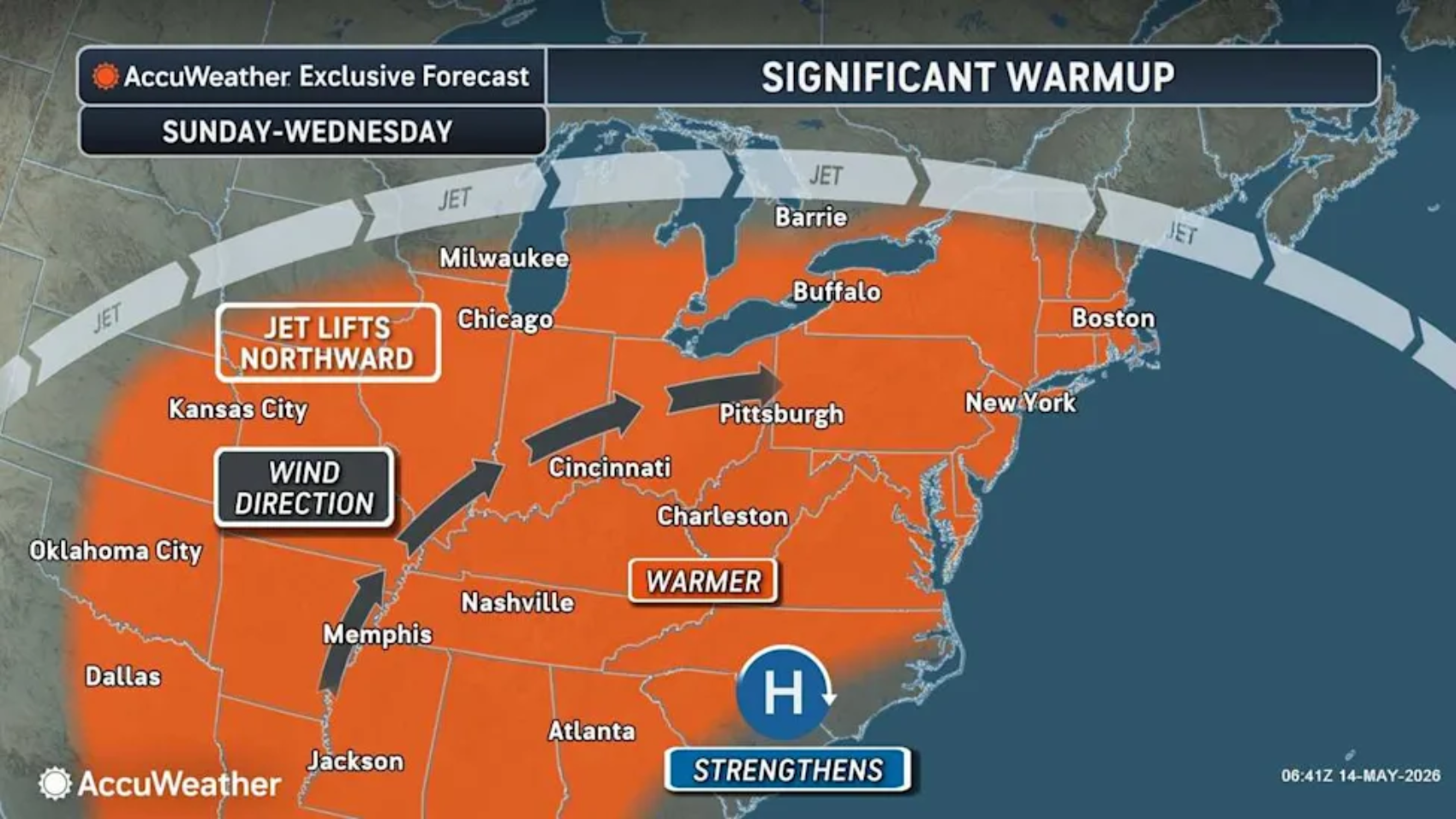
State Braces for 90-Degree Heat, Thunderstorms, and a Dramatic Late-Week Cooldown Ahead of Memorial Day
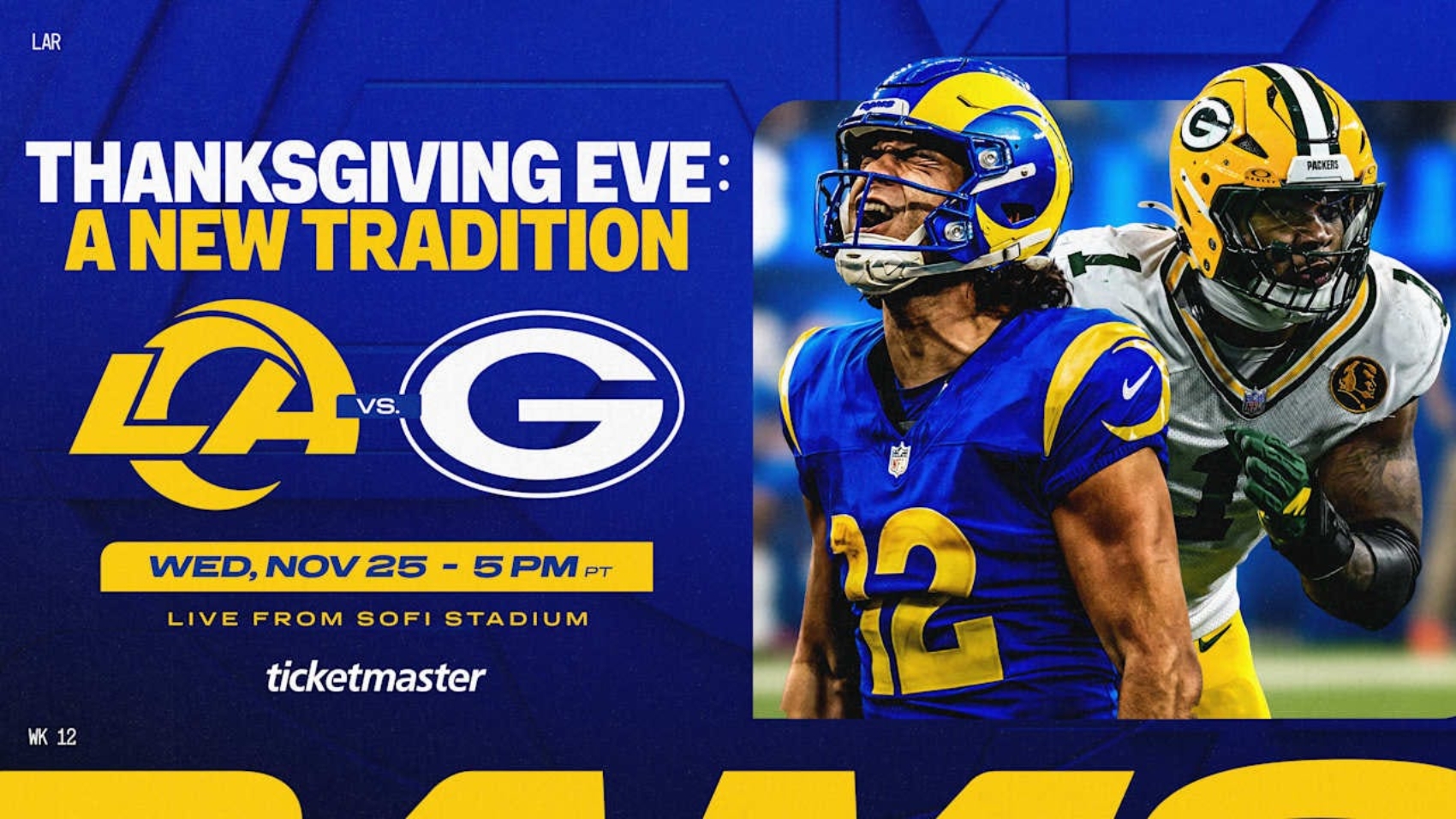
The noise surrounding the NFL never really stops in Los Angeles. Even in the middle of May, long before preseason headlines begin dominating national television, the Los Angeles Rams are already one of the league’s most fascinating organizations to monitor because almost every move the franchise makes carries larger implications for the NFC power structure. The team is once again being positioned directly in the center of the NFL’s global spotlight as early schedule leaks continue revealing what could become one of the franchise’s biggest national showcase seasons in recent memory.
Even before the complete 2026 NFL schedule officially drops, the league has already confirmed two massive standalone primetime games involving the team, and both matchups carry enormous implications not only for the Rams’ playoff trajectory but also for the NFL’s ongoing international expansion strategy and streaming television future. The season will begin in unprecedented fashion as the Rams open the 2026 campaign against the San Francisco 49ers in one of the most ambitious regular-season events the NFL has ever staged. I had no clue it was the opening game. The Niners and Jags play two International games.
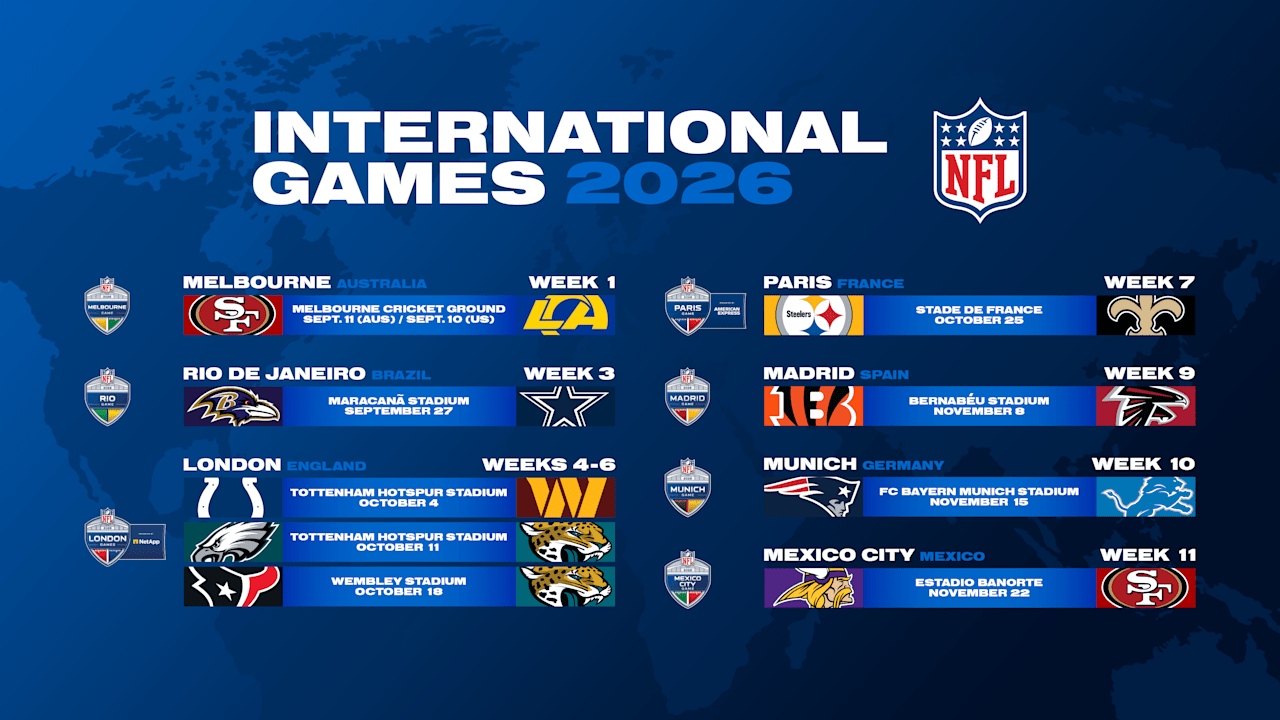
Scheduled for Thursday, September 10, the NFC West rivals will meet at the legendary Melbourne Cricket Ground in Melbourne, Australia, turning the Rams into one of the featured franchises spearheading the league’s aggressive global growth initiative. The matchup instantly becomes one of the most watched opening-week games of the entire NFL season, with kickoff set for 8:35 PM ET and the broadcast streaming globally through Netflix in another sign of how rapidly the NFL’s media landscape continues evolving.

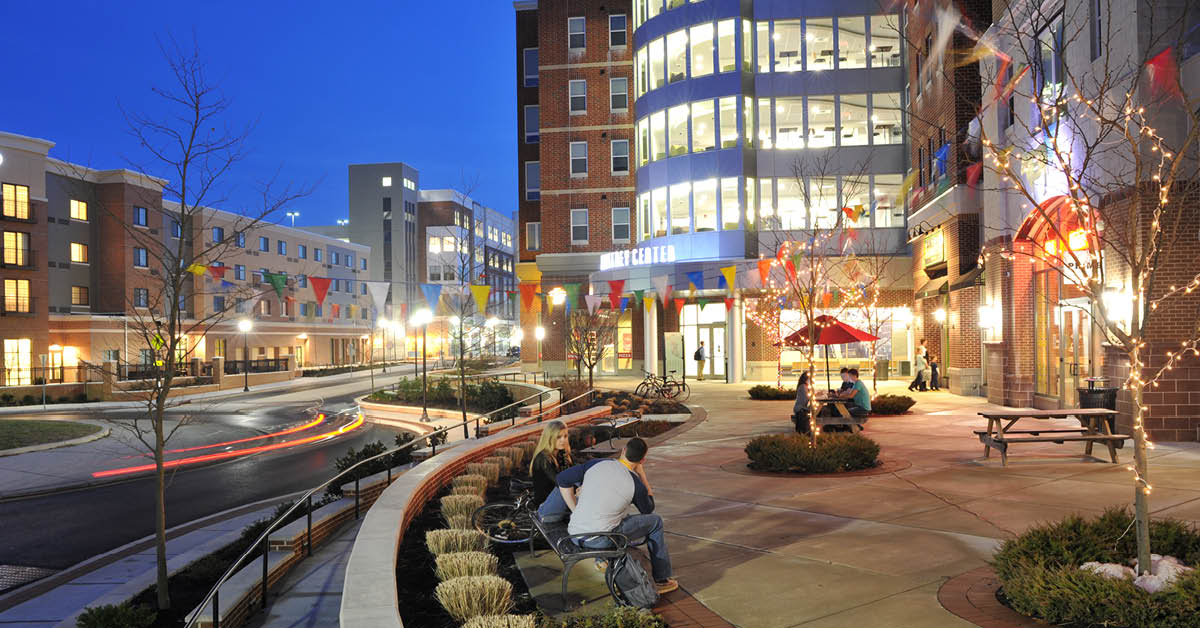
Rowan University Expands Campus Experience Through New Partnerships With Rally House and eCampus.com as New Era of Student Retail and Academic Access Begins in Glassboro
Why the Largest Company in Live Entertainment is So Weak and Did that Live Nation Antitrust Case Really Scratch the Surface?

NJ PBS “21” Explores the Defining Question of New Jersey Life: Does Your ZIP Code Shape Your Future?
Source: NJ PBS “21” Explores the Defining Question of New Jersey Life: Does Your ZIP Code Shape Your Future?
Rutgers University’s Decision to Rescind Engineering Convocation Invitation Sparks Intensifying Debate Over Free Speech, Campus Climate, and Higher Education Leadership
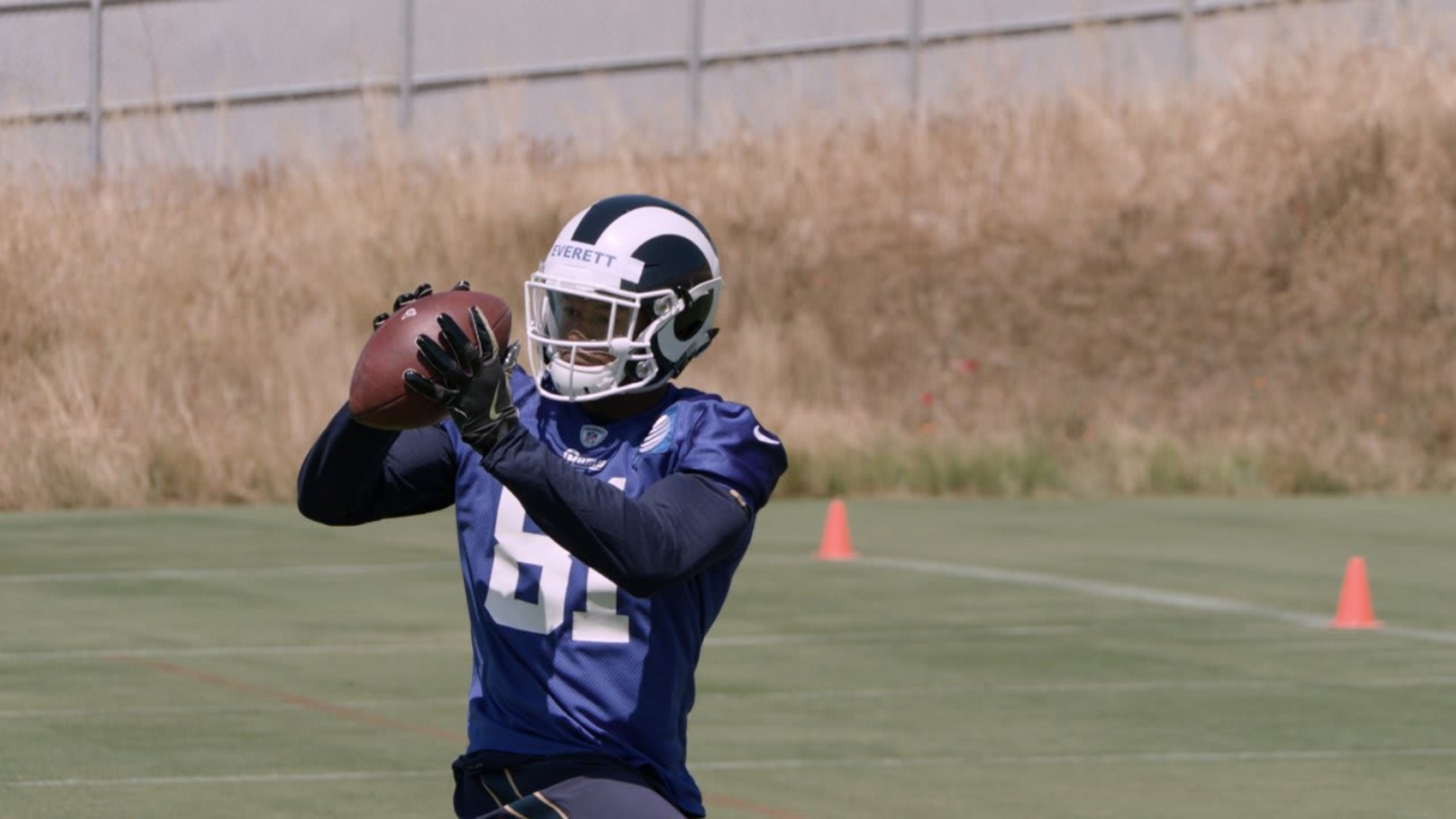
The next phase of the Los Angeles Rams’ 2026 season officially begins this week. While rookie minicamp rarely carries the spectacle of training camp or the pressure of September football, this year’s gathering inside the Rams’ Woodland Hills facility may quietly become one of the most important transition points of the Sean McVay era.
The Rams are no longer rebuilding, retooling, or resetting. They are operating within a far narrower and far more demanding window. Everything now is about maximizing what remains of the Matthew Stafford era while simultaneously preparing the next layer of the roster to develop around him.
At the same time, it is going to take much more than rookie minicamp to determine whether the Ty Simpson pick was the right decision. After some legitimate preseason action, there will be a far better sense of what the Rams were trying to accomplish with that selection. Right now, anyone paying close attention to the draft process still has questions about what the Rams were doing during the draft and in the weeks leading up to it. As of today, there is still no clear consensus on the overall direction behind several of their moves.
That balancing act defines this offseason.
I also think the team, and everyone around it, is forgetting how Super Bowls are won, which is with great defense.
Reqardless, the Rams will now enter rookie minicamp with a first-round quarterback in Ty Simpson, a roster still capable of competing in the NFC, a receiving corps headlined by Puka Nacua and Davante Adams, and a front office that continues to operate with aggressive precision rather than passive patience. This is not an organization interested in developmental timelines that stretch three or four years into the future. The Rams believe they can contend now. Every decision being made this month reflects that reality.
Rookie minicamp, scheduled for May 8 through May 10, represents the first live look at the Rams’ newest draft class and undrafted free agents as the franchise transitions from offseason conditioning into football operations that more closely resemble the structure and rhythm of an actual season. While many organizations use rookie minicamp as a physically intense evaluation period, the Rams have historically treated it more like an orientation process built around classroom installation, terminology, professional preparation, and culture assimilation. That approach is expected to continue under McVay and his staff this weekend.
Still, even without heavy-contact practices, the stakes remain substantial.
The central figure entering camp is unquestionably Ty Simpson, the Rams’ first-round selection out of Alabama and one of the most scrutinized draft picks the organization has made since Jared Goff. Simpson arrives with a profile that fits precisely what Sean McVay values in quarterbacks: pre-snap recognition, timing, processing speed, accuracy, and control within structure.
His Alabama production reflected that efficiency. He finished with the lowest interception percentage in school history while also setting a program record for consecutive completions in a single game. That is the one statistic that immediately stood out to me. He threw an unbelievably low number of interceptions last season. I believe it was only four, which is an astounding number at that level of football. The Rams clearly believe those traits translate directly into the structure and demands of their offensive system.
What makes Simpson’s arrival particularly fascinating is the timing.
Matthew Stafford remains firmly entrenched as the Rams’ starting quarterback, and the organization continues to operate publicly as though its championship window remains open with him under center. Yet drafting Simpson signals something equally clear: the Rams are preparing for the future without sacrificing the present. That dual-track approach places enormous importance on this entire offseason program because it determines how quickly Simpson acclimates to NFL speed, NFL protections, and McVay’s notoriously demanding offensive structure.
The rookie quarterback will not be alone in drawing attention.
The Rams’ 2026 draft class also includes tight end Max Klare and wide receiver CJ Daniels, both of whom enter situations where immediate opportunities could emerge far sooner than many sixth-round or mid-round selections typically experience. Daniels, in particular, becomes increasingly interesting because of the Rams’ ongoing search for another wide receiver.
That search has become one of the defining stories of the Rams’ offseason. After letting Makai Lemon go in the draft, they are seemingly still on the prowl these days.
I still wish they would add one more defensive player who can truly impact the team, or show me someone already on the roster whom I am not seeing yet but is ready to step up and become a star. I understand that the Rams addressed the cornerback position well, but they are still cornerbacks. There is no easy way to play that position. It is arguably the hardest position in football to play at an elite level. On a good day, a cornerback is still allowing receivers to make two or three catches.
That became painfully clear during the playoffs. Still, I maintain that this team needs one more legitimate threat who can consistently sack the quarterback and help stop the run. Ironically, that would help the entire secondary, not just the cornerbacks.
Even after adding Davante Adams to pair with Puka Nacua, the Rams continue evaluating the market for another reliable target who can stabilize the WR3 role and provide Stafford with additional versatility. That is in addition to the five tight ends the team is currently carrying which is a story in itself.
In all seriousness, this is not simply about adding depth. It is about creating offensive insulation. Injuries, age, rotational flexibility, and postseason durability all matter significantly more for teams attempting to contend immediately.
The Rams should understand this. The team also needs better conditioning, which I have great hope they are working hard on now during the offseason. They cannot afford to suffer a slow decline at the end of the season, let alone during a playoff run. The way they played defense at the end of the year was embarrassing.
Internally, there is belief in younger players such as Jordan Whittington, Konata Mumpfield, and Daniels himself. However, the organization also recognizes that proven veteran production becomes critical late in seasons when defensive coverage shifts heavily toward top receiving options. Opposing defenses are going to devote extraordinary attention to Nacua and Adams. The Rams need another player capable of winning isolated matchups consistently enough to punish those adjustments.
When the team won in 1999 with the Greatest Show on Turf, the team had what felt like five receivers running through defenses if you include Marshall Faulk, who was a huge threat catching the ball and taking off in open space.
In 2021, the Rams had Odell Beckham Jr., who I believe was the third receiver that pushed the team over the top alongside Robert Woods, Cooper Kupp, and Van Jefferson.
That reality explains why multiple veteran receivers continue to be connected to Los Angeles.
Stefon Diggs, a University of Maryland football player and graduate, which is also where I went to school, has rapidly emerged as one of the most intriguing possibilities for the Rams.
The four-time Pro Bowler is still available following his release from New England, and his situation shifted dramatically after his acquittal on assault-related charges yesterday. From a football perspective alone, Diggs fits almost perfectly into what the Rams need. He remains an elite route runner capable of lining up both outside and in the slot, and despite recovering from a torn ACL suffered in 2024, he returned with a productive 2025 season that included more than 1,000 receiving yards and a Super Bowl appearance with the Patriots.
Conversely, the Rams could be positioned to win a Super Bowl, which is something Diggs clearly wants. It would also beautifully cap the NFL career of the Terps graduate.
However, by that same standard, the situation raises another question. If the Rams had concerns about Ruben Bain Jr. because of his manslaughter or vehicular homicide case, then pursuing Diggs would seem hard to justify, even with the acquittal. Regardless, the football fit remains obvious.
For a Rams offense already built around spacing, timing, and layered route concepts, Diggs could represent a major addition without requiring the offense to fundamentally change its structure. He would not need to carry the offense. That may actually make Los Angeles one of the league’s most dangerous landing spots for him.
DeAndre Hopkins remains another name heavily connected to the Rams. Although Hopkins is no longer the dominant vertical force he once was during his peak seasons, league evaluators continue viewing him as an effective possession and red-zone receiver who could thrive as a complementary third option. The Rams’ interest in experienced route technicians has never disappeared under McVay, and Hopkins’ ability to operate efficiently in condensed areas of the field still holds considerable value.
Jauan Jennings has also generated substantial interest as a more physical and financially manageable alternative. His reputation around the league centers on toughness, blocking, reliability, and situational consistency. For a Rams offense that places heavy responsibility on wide receivers inside the running game and perimeter blocking schemes, Jennings would fit naturally.
Other names continue circulating as speculative possibilities.
Alec Pierce would provide significant vertical field-stretching ability, although his projected contract value may exceed what the Rams are willing to commit financially. Rashid Shaheed brings explosiveness and special teams versatility. Tyreek Hill and Deebo Samuel remain dream-level possibilities discussed more within league speculation than realistic cap modeling, though both continue drawing attention because of their game-breaking profiles.
Regardless of which direction the Rams eventually choose, their pursuit of another receiver underscores a broader organizational philosophy. This franchise is still operating aggressively.
The same urgency exists along the offensive line.
League sources and analysts continue linking the Rams to additional offensive tackle depth as they prepare for organized team activities and eventual training camp battles. The importance of offensive line stability within Sean McVay’s offense cannot be overstated.
The Rams’ rushing attack, built around Kyren Williams and Blake Corum, depends heavily on continuity and health across the offensive front. Both runners thrive because of vision, leverage, and timing within zone-running structures rather than overwhelming physical dominance. They can still fall forward for six or seven yards, let alone what happens when they break through into the second level, which occurs often.
Both running backs are excellent, and honestly, they are so similar stylistically that I sometimes do not realize which one just carried the ball. I get them mixed up all the time because they run so much alike. They slice through defenses in nearly identical ways, and both are outstanding players.
However, if the offensive line struggles, the entire offense changes immediately, and it becomes noticeable very quickly.
That concern explains why undrafted offensive linemen entering rookie minicamp could receive legitimate attention.
Austin Blaske, Chad Lindberg, and Bryce Henderson arrive with opportunities that extend beyond developmental practice reps. The Rams value versatility heavily among reserve linemen, particularly players capable of functioning across multiple positions in emergency situations.
Depth along the offensive front often determines survival over a 17-game season, and Los Angeles has learned that lesson repeatedly in recent years. The depth on the offensive line has been thin, or at least a concern, for several years now. When one player goes down, the impact becomes noticeable immediately, and usually not in good ways.
This is also where the Rams need someone to step up and become a dependable contributor along the line. In one or two areas, I think this team is only one player deep in some places on the front line. They probably need to add as many as three offensive linemen who could immediately become second- or third-string options day one. Even then, I still believe one or two starting positions on the offensive line could be up for grabs this season.
The Rams’ 18-player undrafted free agent class reflects that broader search for functional depth and developmental upside.
On offense, quarterback Matthew Caldwell joins the room alongside Simpson, while running back Dean Connors enters a backfield already featuring established contributors but still requiring camp competition. Tight ends Dan Villari and Rohan Jones both arrive with opportunities to compete for situational roles within a system that increasingly values multi-dimensional tight ends capable of functioning as blockers, move pieces, and secondary receiving options.
At receiver, EJ Williams becomes another player worth monitoring as camp progresses. The Rams have historically shown a willingness to give undrafted skill players legitimate opportunities if they demonstrate consistency and special teams value early in camp.
Defensively, the Rams focused heavily on athletic front-seven depth and developmental secondary pieces.
Wesley Bailey, Eddie Walls III, and Darryl Peterson III all enter a linebacker room where rotational pass-rush depth remains important. Nikhai Hill-Green brings experience from Alabama into the interior linebacker competition, while defensive linemen Jaxson Moi, Jalen Logan-Redding, and Payton Zdroik enter an organization that consistently rotates defensive fronts aggressively throughout camp and preseason.
In the secondary, Nick Andersen, Nyzier Fourqurean, Al’zillion Hamilton, and Drey Norwood all arrive with realistic opportunities to compete for developmental roster spots or practice squad consideration. McVay’s staff has repeatedly demonstrated a willingness to elevate undrafted defensive backs who show adaptability, communication skills, and special teams reliability.
The larger reality surrounding all of this is impossible to ignore.
The Rams are entering one of the most important developmental stretches of their offseason calendar. Rookie minicamp leads directly into organized team activities beginning May 26, followed by mandatory minicamp in mid-June and then full training camp later this summer. The structure of the roster will begin revealing itself quickly.
OTAs will provide the first extended look at how the Rams plan to expand and evolve the offense around Davante Adams and Puka Nacua heading into the 2026 season. They will also intensify scrutiny surrounding Stafford’s contract situation and long-term future. By training camp, roster competition will become fully operational as veterans and rookies battle for spots on the final 53-man roster.
This offseason feels different because the Rams are attempting to accomplish two difficult objectives simultaneously.
They are trying to remain dangerous enough to compete immediately in the NFC while quietly laying the foundation for what comes next. That is an extraordinarily difficult balance to maintain in the modern NFL. Most organizations either commit fully to the present or pivot aggressively toward the future. The Rams are attempting both.
That makes every practice, every roster move, every receiver visit, every developmental rep, and every training camp battle more important than usual.
The Rams are not rebuilding. They are recalibrating while still trying to win.
And beginning this week at rookie minicamp, the next version of that vision officially takes the field.
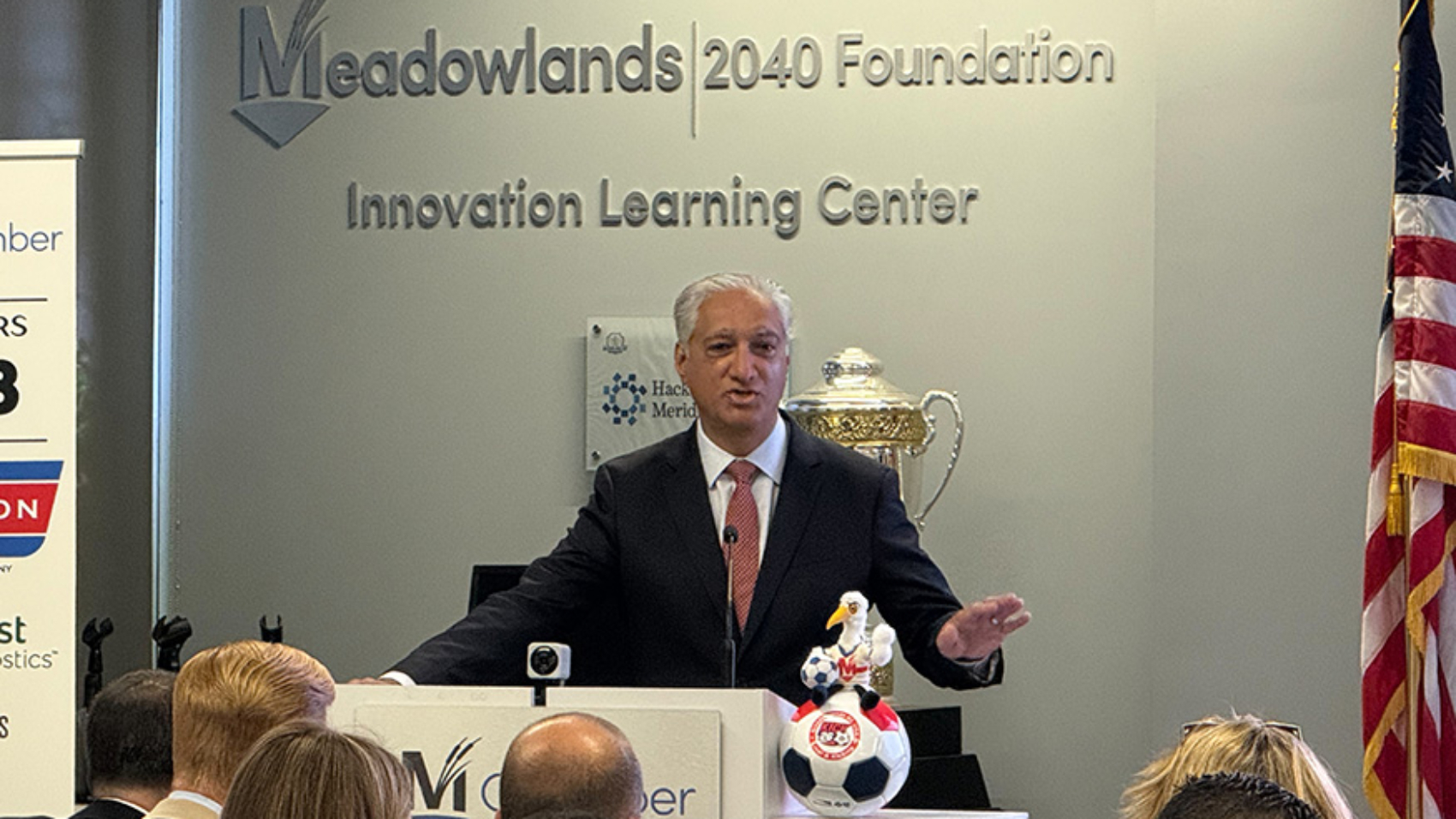
As New Jersey positions itself at the center of one of the largest global sporting events in modern history, the conversation around infrastructure


Governor Mikie Sherrill Steps Into the Spotlight: Inside New Jersey’s Defining Political Moment as Budget Talks, Federal Tensions, and Leadership Strategy Converge