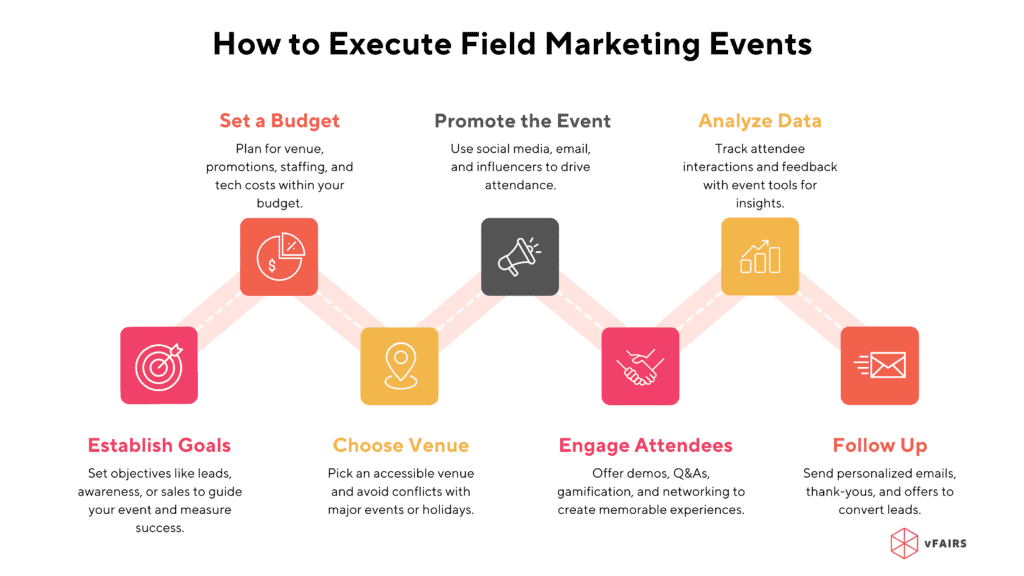
Translucent Events, Marketing Events to a Younger Audience, Speakers Bureaus, Events Industry Tariff Pressures, Things to Consider Before You Hire a Speaker
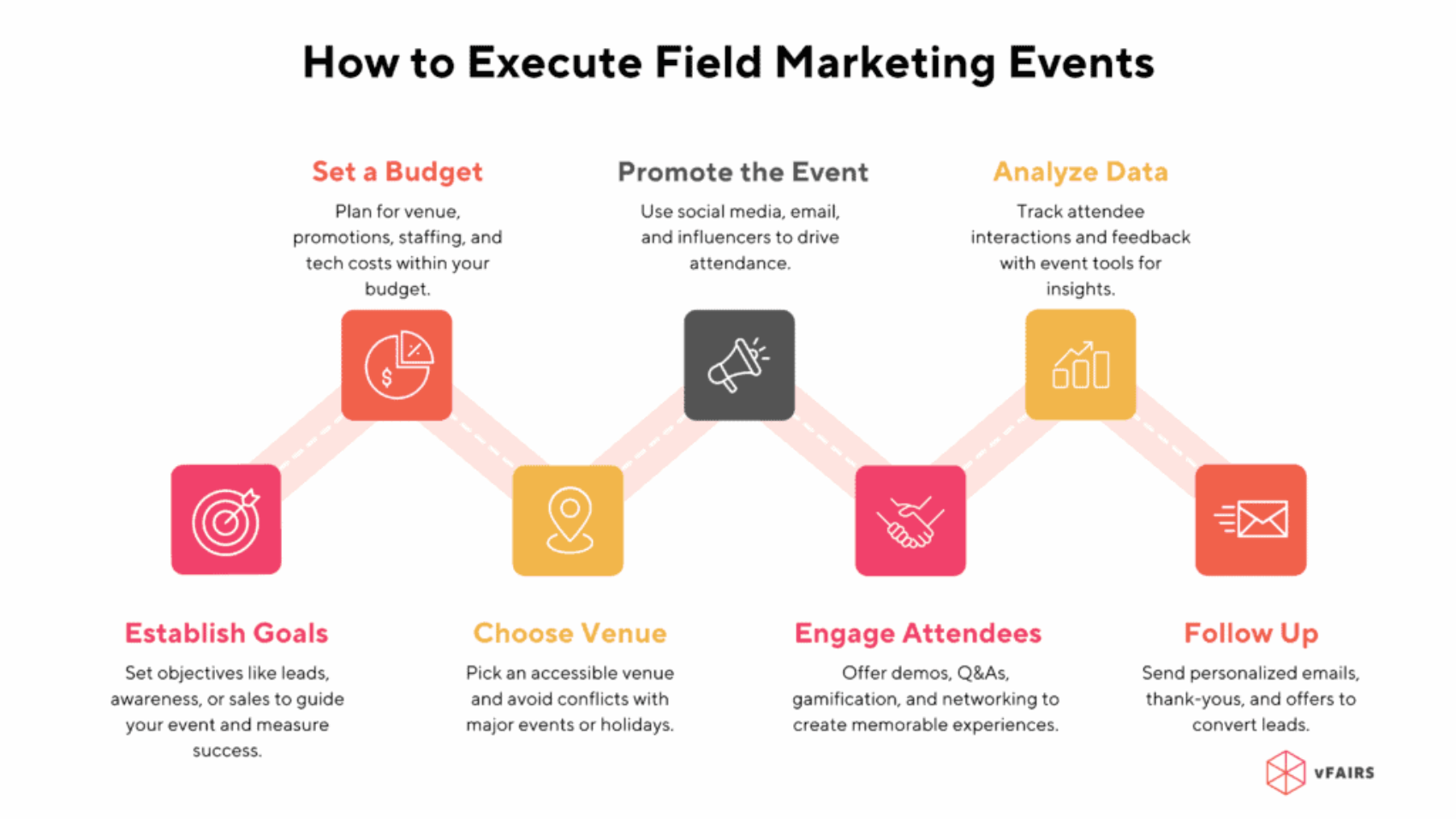

Translucent Events, Marketing Events to a Younger Audience, Speakers Bureaus, Events Industry Tariff Pressures, Things to Consider Before You Hire a Speaker
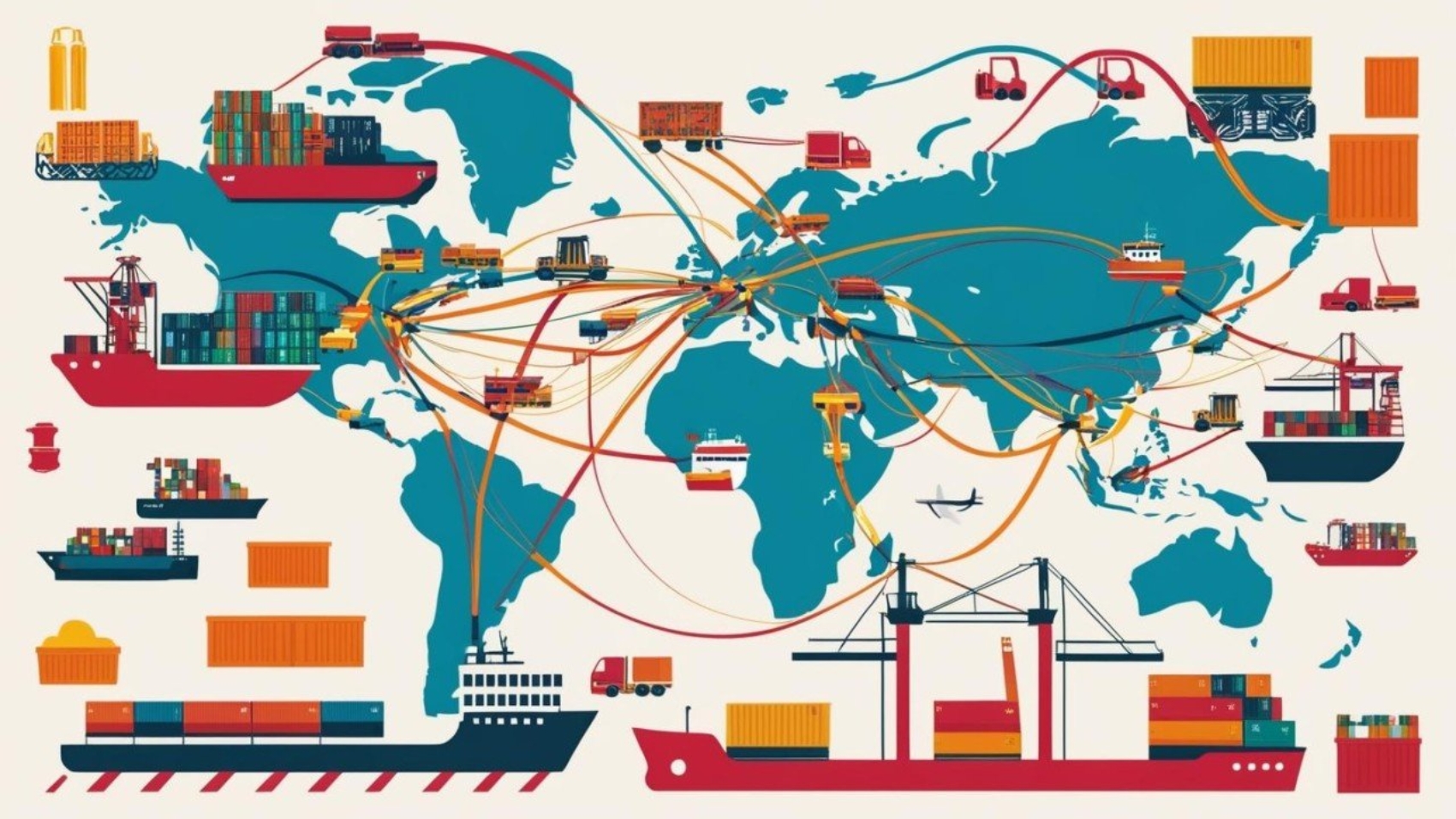
The world of event planning is evolving rapidly as tariff-driven inflation and a surge in hidden fees continue to disrupt budgets and supply chains.
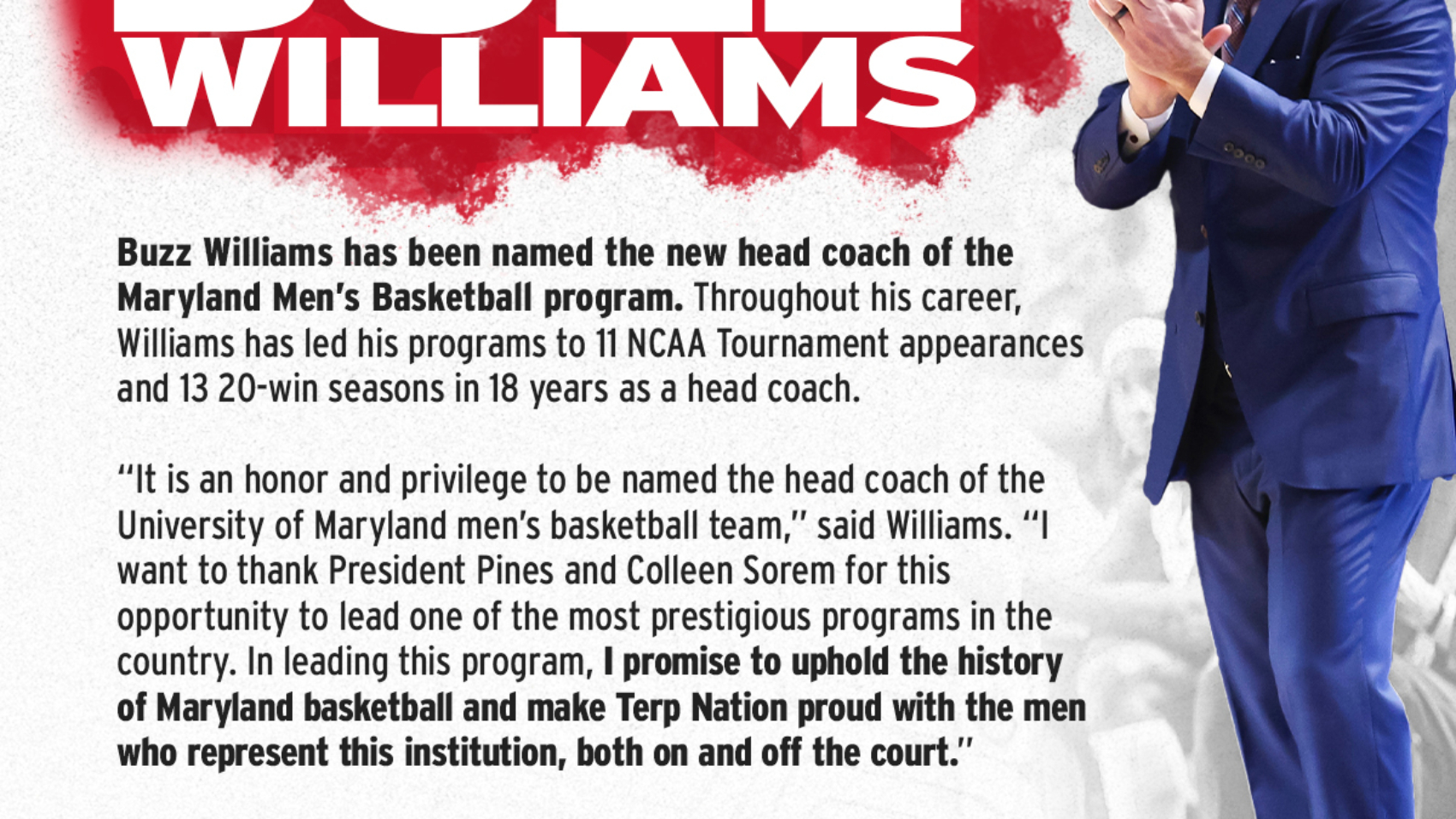
Buzz Williams Takes the Helm at Maryland: A Seasoned Coach with a Track Record of Success Looks to Usher in a New Era of Terps Basketball By Don Lichterman
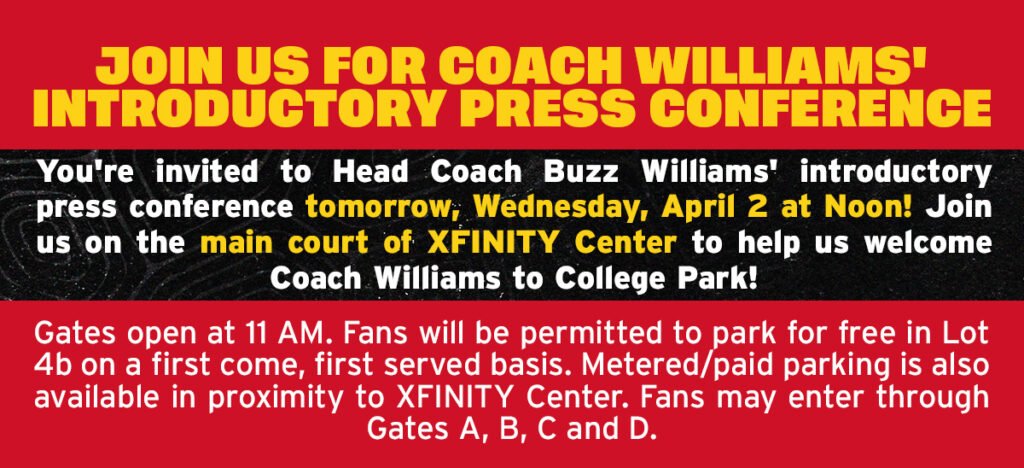
In a monumental shift for Maryland Men’s Basketball, Buzz Williams has been named the new head coach, succeeding Kevin Willard in a move that signals a bold new direction for the program. The announcement was made by Colleen Sorem, Interim Barry P. Gossett Director of Athletics, who confirmed that Williams will be formally introduced in a press conference at noon on April 2 on the main court at XFINITY Center.
With 18 years of head coaching experience, Williams boasts an impressive resume, having led his teams to 11 NCAA Tournament appearances and 13 seasons with at least 20 wins. His arrival in College Park has ignited excitement among fans eager to see what the accomplished coach can bring to the Terps.
“It is an honor and privilege to be named the head coach of the University of Maryland men’s basketball team,” Williams expressed. “I want to thank President Pines and Colleen Sorem for this opportunity to lead one of the most prestigious programs in the country. In leading this program, I promise to uphold the history of Maryland basketball and make Terp Nation proud with the men who represent this institution.”
Sorem echoed this sentiment, emphasizing Williams’ stellar track record and relentless work ethic. “We are thrilled to bring a coach of the caliber of Buzz Williams to the University of Maryland,” she said. “His incredible record of success at three prominent basketball programs speaks for itself, but we were equally impressed with his tireless work ethic and his dedication to building a program the right way. He embraces the high expectations here at Maryland and we are all excited to get started on this new era in Maryland basketball.”
Before joining Maryland, Williams spent six seasons as the head coach at Texas A&M, where he led the Aggies to the NCAA Tournament in each of the last three seasons. Twice named SEC Coach of the Year (2019-20 and 2022-23), he has also previously held head coaching positions at Virginia Tech (2014-19), Marquette (2008-14), and New Orleans (2006-07). Across his 18 seasons, he has amassed a career record of 373-228 (.621), demonstrating his ability to build and sustain winning programs.
Williams is on the verge of joining an exclusive coaching fraternity as he aims to become just the third Division I coach to secure at least 100 wins at four different institutions. Legendary Maryland coach Lefty Driesell and Steve Alford are the only others to have accomplished this feat. Last season, he led Texas A&M to a 23-11 record and an NCAA Tournament Second Round appearance, further cementing his status as a top-tier coach.
Williams has made his mark in the postseason, with his teams advancing to the NCAA Tournament 11 times, including four Sweet 16 appearances (three with Marquette and one with Virginia Tech) and one Elite Eight run with Marquette in 2013. His deep understanding of high-pressure games and strategic coaching have made him one of the most respected figures in college basketball.
His teams have won an average of nearly 21 games per season, and despite coaching in highly competitive conferences, Williams’ programs have had just two losing conference records—his first season at Virginia Tech and the pandemic-affected 2020-21 season at Texas A&M. His ability to compete at the highest level, even against formidable opposition, is a testament to his coaching acumen.
Williams’ impact extends beyond wins and losses. He has a well-earned reputation for developing players, with over 20 all-conference selections and 16 NBA players emerging from his programs. His influence on player development and leadership has made him an asset to every program he has led.
Moreover, Williams has made significant contributions off the court, notably through “Buzz’s Bunch,” a program designed to connect young people with special needs to basketball. What began at Marquette has grown to include over 500 members spanning multiple cities, providing meaningful experiences for children and families. Additionally, Williams and his wife, Corey, have endowed multiple scholarships at Virginia Tech and Texas A&M, ensuring long-term educational opportunities for students with disabilities and female student-athletes.
As Maryland transitions to this new era under Williams, expectations are high. The departure of key players, including Julian Reese, poses challenges, but Williams has a history of rebuilding programs and quickly elevating them to national prominence. His extensive recruiting experience and strategic leadership will be critical in shaping the future of Maryland basketball.
Williams’ coaching journey—from his humble beginnings as a student assistant at Navarro College to becoming one of the most respected head coaches in the nation—reflects his relentless determination and passion for the game. His nickname, “Buzz,” stems from his high-energy approach, which he continues to bring to every program he leads.
As the Terps prepare for the upcoming season, fans and players alike eagerly anticipate the transformation that Williams will bring to College Park. With a history of excellence, a commitment to development, and a track record of success, Buzz Williams is set to make a lasting impact on Maryland basketball, ushering in a new chapter of competitiveness and excitement for Terp Nation.
In an unexpected yet highly anticipated move, Buzz Williams has been named the new head coach of the Maryland Men’s Basketball program, replacing Kevin Willard, whose departure left the fan base in shock. The announcement was made by Colleen Sorem, Interim Barry P. Gossett Director of Athletics, confirming that Williams will be introduced at a press conference on April 2 at XFINITY Center.
With past coaching stints at Texas A&M, Virginia Tech, Marquette, and New Orleans, Williams has built a reputation for success. He was named SEC Coach of the Year twice and holds an overall record of 373-228 (.621).
Maryland President Darryll J. Pines emphasized Williams’ ability to develop talent both on and off the court: “Finding the right person to lead Maryland Men’s Basketball was critical to the continued success of our program. With an exemplary record of competitive success and a demonstrated commitment to leadership and development, Coach Buzz Williams is the ideal coach to lead us forward.”
While Willard’s sudden departure left many fans reeling, the arrival of Williams offers a fresh start. With Julian Reese leaving and other potential roster changes on the horizon, Williams has a major challenge ahead in stabilizing the team and re-establishing Maryland as a Big Ten powerhouse.
As the Terps welcome a new era, basketball memorabilia collectors have something to celebrate—Don Lichterman has unveiled his Signature Collection, featuring historic pieces from Maryland’s championship legacy. This exclusive collection includes a University of Maryland Championship Team signed basketball and pieces of the iconic Cole Field House floor signed by legendary coaches Lefty Driesell and Gary Williams.
Driesell, known for revolutionizing Maryland basketball, and Gary Williams, who led the Terps to their first national championship in 2002, remain two of the most revered figures in program history. The collection is a must-have for any Terps fan, offering a tangible connection to the rich history of Maryland basketball.
From Cory Booker’s record-breaking speech to Buzz Williams’ arrival and the unveiling of a historic memorabilia collection, this has been a monumental time in politics and sports. New Jersey and Maryland alike are witnessing moments of transformation, and as these stories unfold, fans and citizens alike will watch with anticipation. The next chapter for both Booker and Maryland basketball promises to be one for the history books.
Williams’ Career Head Coaching Record:
| Year | School | W-L | Pct. | W-L | Pct. | Stand | Postseason | AP High | AP Final |
|---|---|---|---|---|---|---|---|---|---|
| 2006-07 | New Orleans | 14-17 | .452 | 9-9 | .500 | 4th/W | |||
| 2008-09 | Marquette | 25-10 | .714 | 12-6 | .667 | 5th | NCAA 2nd Round | 8 | 23 |
| 2009-10 | Marquette | 22-12 | .647 | 11-7 | .611 | 5th | NCAA 1st Round | ||
| 2010-11 | Marquette | 22-15 | .595 | 9-9 | .500 | T-9th | NCAA Sweet 16 | ||
| 2011-12 | Marquette | 27-8 | .771 | 14-4 | .778 | 2nd | NCAA Sweet 16 | 8 | 11 |
| 2012-13 | Marquette | 26-9 | .743 | 14-4 | .778 | T-1st | NCAA Elite Eight | 12 | 15 |
| 2013-14 | Marquette | 17-15 | .531 | 9-9 | .500 | 6th | 17 | ||
| 2014-15 | Virginia Tech | 11-22 | .333 | 2-16 | .111 | 15th | |||
| 2015-16 | Virginia Tech | 20-15 | .571 | 10-8 | .556 | T-7th | NIT 2nd Round | ||
| 2016-17 | Virginia Tech | 22-11 | .667 | 10-8 | .556 | T-7th | NCAA 1st Round | 21 | |
| 2017-18 | Virginia Tech | 21-12 | .636 | 10-8 | .556 | 7th | NCAA 1st Round | ||
| 2018-19 | Virginia Tech | 26-9 | .743 | 12-6 | .667 | 5th | NCAA Sweet 16 | 9 | 16 |
| 2019-20 | Texas A&M | 16-14 | .533 | 10-8 | .556 | T-6th | |||
| 2020-21 | Texas A&M | 8-10 | .444 | 2-8 | .200 | 14th | |||
| 2021-22 | Texas A&M | 27-13 | .675 | 9-9 | .500 | T-5th | NIT Finalist | ||
| 2022-23 | Texas A&M | 25-10 | .714 | 15-3 | .833 | 2nd | NCAA 1st Round | 17 | 17 |
| 2023-24 | Texas A&M | 21-15 | .583 | 9-9 | .500 | T-7th | NCAA 2nd Round | 12 | |
| 2024-25 | Texas A&M | 23-11 | .676 | 11-7 | .611 | 5th | NCAA 2nd Round | 7 | |
| Totals | 18 Years | 373-228 | .621 | 178-138 | .563 | 13 Appearances (11 NCAA) |

Sunset Vending Co has 8,455 Pro Merch items, 14,112 items in The Vending Lot & Nature’s Sunset has 102 Products in Stores. All Products are available in stores & at the Web Site!

The Future of Internet Radio in 2025: Live News Stations and Music Streaming on Your Smartphone
Source: The Future of Internet Radio in 2025: Live News Stations and Music Streaming on Your Smartphone

TuneIn: Your Ultimate Audio Experience for Sports, Music, News, Audiobooks, and Podcasts
Source: TuneIn: Your Ultimate Audio Experience for Sports, Music, News, Audiobooks, and Podcasts

NFL Flannel Collection and Dear Santa Merchandise Drive Record Sales for Sunset Vending Co.
Source: NFL Flannel Collection and Dear Santa Merchandise Drive Record Sales for Sunset Vending Co.

Sinclair Broadcast Group is one of the largest and most influential media companies in the United States, with an extensive reach across both traditional television and digital platforms. Headquartered in Hunt Valley, Maryland, Sinclair owns or operates more than 190 television stations in over 100 U.S. markets, which accounts for nearly 40% of American households. Through its vast network, the company plays a pivotal role in shaping the media landscape and influencing both local and national news programming.
Sinclair’s influence extends far beyond traditional broadcasting. It has been at the center of several major trends in the broadcasting industry, including the consolidation of media ownership, the rise of local news programming, and controversial political leanings. This unique position has allowed Sinclair to hold significant sway over how news is presented to millions of Americans. However, it has also drawn criticism over the years due to its political influence and business practices.
Sinclair was founded in 1971 by Julian Sinclair Smith as Sinclair Television in Baltimore. Since then, the company has grown exponentially through a combination of acquisitions, mergers, and aggressive expansion strategies. Sinclair initially focused on acquiring television stations in local markets, but it soon broadened its reach by expanding into larger media markets across the U.S.
The company’s rapid growth took place in the context of the Telecommunications Act of 1996, which relaxed federal regulations on media ownership. This legislation allowed Sinclair to acquire more stations, further consolidating media ownership across the country. Today, Sinclair owns a mixture of network-affiliated stations (ABC, CBS, NBC, and Fox) and independent stations in nearly every state, making it the largest owner of television stations in the U.S. by number.
Sinclair Broadcast Group is often associated with its conservative political leanings. Under the leadership of David D. Smith, the company’s CEO, Sinclair has been accused of pushing a right-leaning agenda through its programming, particularly with respect to its news content. This has sparked controversies over the years regarding media bias and the role of corporate interests in influencing public opinion.
The most significant and widely discussed example of this occurred in 2018, when Sinclair ordered its local news anchors across the country to read a script warning viewers about the dangers of “biased” media. The script, which criticized “fake news” and “one-sided” reporting, was seen as a political message, pushing the company’s conservative agenda. This moment garnered national attention and sparked a debate about the potential dangers of media consolidation, where a few corporate entities control large swaths of content.
Sinclair’s political influence became even more pronounced during the Trump administration, as the company maintained close ties with certain members of the administration, many of whom aligned with the company’s conservative values. This connection led to accusations of Sinclair becoming a mouthpiece for conservative causes, particularly on issues like immigration, climate change, and economic policies.
At its core, Sinclair is a broadcasting company, meaning its primary source of revenue comes from its television stations. While Sinclair operates a wide range of station types, including ABC, CBS, NBC, and Fox affiliates, the company has placed particular emphasis on local news programming. This focus on local news has allowed Sinclair to build strong community ties and maintain significant viewership in the markets it serves.
In addition to local news, Sinclair has made substantial investments in national programming through its news division, One America News Network (OANN), and its content syndication division. OANN, which has gained notoriety for its right-wing political stance, has attracted both praise and criticism for its reporting style and editorial direction. OANN and Sinclair’s other properties have drawn a loyal audience but have also faced backlash for their portrayal of certain news stories, particularly those related to political events.
In 2017, Sinclair made a historic move by announcing its acquisition of Tribune Media, a deal valued at approximately $3.9 billion. The acquisition would have given Sinclair control over 42 additional television stations, further solidifying its position as the dominant force in U.S. broadcasting. However, the merger was met with significant regulatory scrutiny from the Federal Communications Commission (FCC), which was concerned about the impact of the deal on media diversity and competition.
After a prolonged regulatory review, the $3.9 billion acquisition was ultimately blocked in 2018, primarily due to concerns that it would violate FCC rules about local media ownership. This rejection was seen as a blow to Sinclair’s ambitions to dominate the national media landscape. However, Sinclair has continued to pursue aggressive growth strategies, including expanding its digital content and streaming platforms.
Sinclair’s aggressive expansion and its approach to local news programming have led to several controversies over the years. Some of the key criticisms leveled against the company include:
As media consumption continues to shift toward digital platforms and streaming services, Sinclair is facing new challenges in adapting to this changing landscape. The company has made significant investments in digital content, including acquiring streaming services and developing digital-first programming to complement its traditional television offerings.
In recent years, Sinclair has also embraced the rise of podcasting, online video, and social media platforms. These investments allow Sinclair to reach a younger, more tech-savvy audience while maintaining its stronghold in traditional broadcasting. The success of Sinclair’s digital transition will likely determine the company’s future trajectory as it navigates an increasingly fragmented media environment.
Sinclair Broadcast Group has built an empire of television stations, news programming, and digital media content, making it one of the most influential media companies in the United States. While its success is undeniable, its influence—particularly in terms of political bias, media consolidation, and corporate control of local news—has made it the subject of significant controversy.
As Sinclair looks to expand its digital footprint and adapt to a changing media landscape, the company’s role in shaping both local and national narratives will remain a topic of intense scrutiny. Whether its strategy of combining traditional broadcasting with digital innovation will allow it to thrive in the future remains to be seen, but one thing is certain: Sinclair Broadcast Group will continue to be a major force in American media for years to come.
The concept of the Overton Window is a powerful and insightful framework for understanding the dynamics of public opinion and political discourse. Named after Joseph P. Overton, a political theorist who developed the idea in the mid-1990s, the Overton Window refers to the range of ideas and policies that are considered acceptable, mainstream, or politically viable within a given society at a specific time.
The idea is that the political spectrum is not a fixed, rigid set of beliefs, but rather a fluid window of options that can shift over time. The window determines which ideas are part of the “acceptable” conversation, and which ones are viewed as too radical, extreme, or outside the bounds of mainstream thought. Understanding how the Overton Window operates can shed light on how political movements evolve, why certain issues gain prominence, and how societal norms change.
The Overton Window is typically visualized as a sliding scale or a window that can shift left or right on the political spectrum. The window encompasses a variety of political ideas, but the key is that only those ideas within the window are considered politically acceptable. Ideas outside the window—whether they are too conservative, too liberal, or even too radical—are often dismissed as impractical or unworthy of serious discussion.
The window is shaped by the political elite, the media, and public opinion, and can be influenced by events, social movements, cultural shifts, or technological advances. The window is not static; it can move based on changing public sentiment, leadership, and political activism. What is considered “radical” or “unthinkable” today could become “mainstream” tomorrow if the window shifts enough.
The Overton Window operates within several categories of ideas:
The window does not move automatically or spontaneously. Activists, politicians, and media figures can intentionally try to shift the Overton Window by pushing new ideas into the public sphere and challenging the limits of what is considered acceptable. These efforts often require a combination of persuasion, public pressure, and strategic messaging to gradually move an idea from the “unthinkable” to the “popular” category.
For example, the idea of same-sex marriage in the United States was once considered an “unthinkable” or “radical” concept. However, over the course of several decades, advocacy from LGBTQ+ rights groups, changes in public opinion, and the tireless work of activists slowly shifted the Overton Window. By the time the U.S. Supreme Court legalized same-sex marriage in 2015, the idea was seen as a widely accepted and sensible policy.
Similarly, in the 2000s, the idea of universal healthcare in the U.S. was seen as radical or socialist. But through persistent campaigns by political figures like Bernie Sanders, advocacy groups, and a growing recognition of healthcare inequities, the idea gained significant ground, pushing the Overton Window in the direction of more progressive healthcare policies.
Political leaders and media outlets play a key role in shifting the Overton Window. A leader with significant political capital can introduce new ideas that challenge the existing boundaries of discourse. For example, President Franklin D. Roosevelt during the New Deal era reshaped the window of what was considered acceptable government intervention in the economy, expanding the role of the federal government in ways that were previously unthinkable.
Similarly, the media—through framing, messaging, and coverage—can either reinforce or expand the Overton Window. The rise of social media platforms has created new avenues for pushing fringe ideas into the mainstream. Influencers, activists, and political groups can use these platforms to promote ideas that might have been excluded from traditional media outlets.
The media’s power to shape the Overton Window is particularly pronounced in polarized political climates. A media outlet with a particular ideological leaning may amplify certain ideas or push boundaries to shift the public discourse in a particular direction. This is especially true in the context of partisan news sources, where different media organizations may push different aspects of the political spectrum further into the mainstream.
The Overton Window also plays a significant role in understanding political polarization. As the window shifts, ideas that were once seen as moderate may become associated with one political party, while ideas that were considered extreme may gain popularity among the other side. The result is the creation of a more polarized political landscape, where each side views the other as moving farther and farther away from the “center.”
For instance, as conservative political figures in the U.S. increasingly championed populist and nationalist rhetoric in the 2010s, the Overton Window on the right shifted, bringing once-fringe ideas like anti-immigrant policies, “America First” nationalism, and authoritarian-style governance closer to the political mainstream.
On the left, similar shifts have taken place with the growing influence of progressive ideas like Medicare for All, the Green New Deal, and free college tuition, which were once considered too radical but are now part of mainstream Democratic policy proposals.
Grassroots movements can also drive the shifting of the Overton Window. When a significant portion of the public pushes for a particular cause or idea, politicians and media outlets are often forced to respond. The civil rights movement, the women’s suffrage movement, and the environmental movement all demonstrate how public mobilization can successfully shift the Overton Window and make previously “unthinkable” ideas a reality.
For example, climate change was once a fringe issue, but through the activism of groups like Extinction Rebellion and Fridays for Future, as well as the rise of young voices like Greta Thunberg, it has become a central issue for both political leaders and citizens alike, pushing the Overton Window toward more aggressive action on environmental policy.
The Overton Window serves as a reminder that the boundaries of what is politically possible are not fixed; they are fluid and subject to change. It underscores the importance of advocacy, public opinion, and media in shaping the political conversation. Whether it’s through political leadership, media framing, or grassroots movements, ideas can shift from radical to mainstream, and what’s “unthinkable” today may very well become the policy of tomorrow.
For those who wish to influence political discourse, understanding the dynamics of the Overton Window is essential. By carefully crafting messages, building coalitions, and creating momentum for new ideas, anyone—from political leaders to everyday citizens—can play a role in pushing the window of possibility and altering the trajectory of public policy.
In the world of competitive reality television, few shows have captured the hearts and minds of audiences like Survivor, The Challenge, and The Summit. These shows combine strategic gameplay, physical competition, and intense social dynamics in ways that highlight the importance of not just winning challenges, but mastering the social game. While physical strength and challenge wins are important, social manipulation and alliances often prove to be the true keys to victory. Across all three shows, it’s clear that building relationships, reading people, and making smart decisions off the field are more crucial for long-term success than excelling in physical tasks.
Let’s break down why social gameplay has emerged as the ultimate determining factor in these shows.
Survivor has long been regarded as one of the premier examples of a reality show that tests not just the contestants’ physical endurance, but their strategic thinking and social manipulation. While there’s no denying that winning challenges can keep players safe and provide a temporary advantage (such as individual immunity), the true victor of Survivor is often the player who can build alliances, influence others, and stay out of the line of fire.
The social aspect of Survivor is so important that some of the best players in the show’s history—such as Parvati Shallow, Sandra Diaz-Twine, and Tony Vlachos—were able to maneuver through the game largely through their strategic relationships rather than raw physical prowess. For example, Tony Vlachos won two seasons not by dominating the challenges, but by manipulating alliances, lying to fellow players, and building trust with the right people at the right times. His ability to maintain a web of connections across different factions of the game was the key to his success, and it’s a strategy that’s proven effective for other winners, such as Sandra Diaz-Twine, who famously declared, “As long as I’m not on the jury, I’ll win.”
In Survivor, the jury system also reinforces the importance of social gameplay. The jury—comprised of players who were voted out—ultimately decides the winner. They often reward those who were able to outplay the other contestants socially and strategically. Contestants who win too many physical challenges can actually become threats and get voted out because other players perceive them as “too strong” or “too dangerous.” Social manipulators, however, tend to fly under the radar until the final vote, where their social dominance wins them the game.
In The Summit, a show that similarly blends adventure, competition, and strategy, social gameplay is paramount. Contestants aren’t just battling it out physically; they are navigating a complex web of alliances, personal dynamics, and betrayals. While the challenges provide opportunities for players to gain power and control, the game is won through persuasion, negotiation, and alliances.
Much like in Survivor, The Summit players must decide when to form alliances, maintain loyalty, and when to strategically betray their teammates for a better shot at winning. The key to success isn’t just physical toughness, but the ability to read people, know who to trust, and use social influence to manipulate situations to your advantage.
The social aspect of The Summit emphasizes how crucial relationships are to advancing through the game. You can be the strongest player physically, but if your social game is weak, you’ll find yourself outvoted or left behind in the dust. Conversely, a player with a strong social strategy—someone who understands group dynamics, knows when to form powerful alliances, and has the trust of the others—can become the “puppet master” pulling all the strings behind the scenes.
In The Challenge, the balance between physical prowess and social strategy is perhaps more pronounced than in any other show. For years, The Challenge was known as a game dominated by physical competitors—those who excelled in running, swimming, climbing, and other extreme activities. Players who could win challenges often seemed to have the edge, but over time, savvy competitors realized that social manipulation and strategic gameplay are just as critical to winning the game.
The game has evolved to a point where forming strong alliances is just as important as winning individual or team challenges. While The Challenge contestants may start out with clear physical advantages, their success is often determined by their ability to form lasting bonds and navigate the power dynamics in the house.
One of the most successful players in The Challenge’s history, Johnny Bananas, exemplifies the importance of social strategy. Though Johnny has won his share of physical challenges, his true strength lies in his ability to manipulate the social dynamics of the game. He has a unique talent for reading people, making alliances with the right players, and even creating tension or chaos among other contestants to ensure his survival in the game. Bananas’ ability to stay on the radar while pulling the strings behind the scenes has made him one of the most dominant players in the history of The Challenge.
Similarly, players like CT Tamburello have also shown that it’s possible to thrive in The Challenge by evolving beyond just being a physical competitor. While CT was initially known for his brute strength, he eventually honed his social game, learning when to align with others, when to strike, and when to lay low. His success is a perfect example of how social relationships in The Challenge can be just as important as the physical challenges themselves.
At the core of these shows lies a simple truth: you can’t win on physical strength alone. In reality competition shows like Survivor, The Challenge, and The Summit, social intelligence and strategic maneuvering are often more critical for long-term survival and success. Here’s why:
While The Challenge, The Summit, and Survivor each have their share of intense physical competitions, it’s the social game that often proves to be the most critical element for victory. Physical strength can help players survive for a time, but it’s the ability to build alliances, manipulate social dynamics, and make strategic decisions that ultimately wins the game. Winning challenges may get you through one elimination, but your social game is what gets you to the end. In these reality TV shows, it’s the players who can blend social strategy with physical strength who truly become legends.
Racism in Europe has a long and painful history, and while significant progress has been made in addressing discrimination, xenophobia, and hate crimes in recent decades, the roots of these problems remain deep. In 2024, Europe is witnessing both the persistence and resurgence of these issues in new and troubling ways. One of the most disturbing trends is the revival of far-right ideologies, including modern iterations of the Nazi movement, which continue to perpetuate harmful racist and nationalist rhetoric across the continent.
Racism in Europe has evolved throughout history, often intertwined with colonialism, imperialism, and the rise of nationalist movements. European countries were central to the global colonial project, which subjected millions of people in Africa, Asia, and the Americas to exploitation, dehumanization, and violence. These colonial attitudes often translated into racist ideologies that continue to affect modern European societies. Today, many countries in Europe struggle with racial inequality, discrimination, and the exclusion of marginalized groups, particularly immigrants and people of color.
Post-World War II Europe saw a concerted effort to combat racism and fascism, with the establishment of anti-racism laws, anti-discrimination policies, and civil rights protections. However, in recent years, economic downturns, refugee crises, and the rise of populist politics have caused a resurgence of nationalist and anti-immigrant sentiment, exacerbating racial tensions.
While neo-Nazi groups have always existed on the fringes of European society, their visibility and influence have grown in recent years, particularly in the wake of global economic instability, the refugee crisis, and increasing polarization around immigration issues. In 2024, far-right extremists—some of whom openly embrace Nazi symbols, ideology, and rhetoric—are becoming more active and organized in several European countries.
The Nazi movement, a historically extreme far-right ideology, is rooted in white supremacy, antisemitism, and authoritarianism, with its most infamous manifestation being Adolf Hitler’s regime in Germany during the 1930s and 1940s. The legacy of the Nazis includes the genocide of six million Jews during the Holocaust, as well as the persecution and murder of millions of others, including Roma, disabled individuals, LGBTQ+ people, political dissidents, and more.
Today, the far-right groups that espouse Nazi ideology are generally small but vocal. They often target vulnerable minority groups, especially refugees, Muslims, Black people, Jews, and LGBTQ+ communities. These groups seek to undermine liberal democratic values, advocating for a return to an ethnonationalist Europe—one where only people of certain ethnic backgrounds are considered “true Europeans.”
Germany, the birthplace of the Nazi party, has seen a rise in far-right groups in recent years, despite the country’s strong laws against hate speech and Holocaust denial. The AfD (Alternative for Germany) party, which has gained traction in national politics, is one of the most prominent far-right political entities in the country today. Although the AfD officially distances itself from Nazi imagery, its platform, characterized by staunch anti-immigrant, anti-Muslim, and anti-EU rhetoric, has become a breeding ground for neo-Nazi groups and individuals who espouse more extreme views.
In 2024, Germany continues to struggle with a far-right fringe movement that denies the horrors of the Holocaust and challenges the postwar commitment to democracy and human rights. Neo-Nazi groups in the country have been known to engage in acts of violence against minorities, immigrants, and political opponents, and they often exploit social media platforms to spread propaganda and recruit new members.
In Eastern Europe, the rise of far-right parties has been particularly strong in countries like Hungary and Poland. Both countries have seen a steady increase in nationalist rhetoric, with leaders like Hungarian Prime Minister Viktor Orbán promoting policies that have been criticized as authoritarian and xenophobic. In Poland, the ruling Law and Justice Party (PiS) has also adopted nationalist policies that target immigrants and marginalized groups.
In both countries, far-right groups often seek to rewrite history, downplaying the role of fascism and collaboration during World War II. These revisionist tendencies are seen in the growing influence of nationalist movements that downplay the atrocities committed by Nazi collaborators and instead focus on the perceived victimhood of ethnic majorities.
These far-right movements are also gaining ground in countries like Slovakia, Serbia, and Greece, where neo-Nazi parties such as the Golden Dawn have tried to capitalize on economic struggles, cultural fears, and a deepening sense of national crisis.
In 2024, the spread of neo-Nazi ideology and far-right extremism has been facilitated by the rise of social media platforms. Groups that would have once operated in the shadows now have unprecedented access to global audiences. Online spaces, particularly those on the dark web and encrypted platforms, allow far-right extremists to organize, spread propaganda, and recruit members without fear of government surveillance or censorship. These digital spaces act as echo chambers where hate speech and violent rhetoric can flourish.
Young people, disillusioned with economic hardships and social issues, are increasingly being radicalized online. Many of these individuals are drawn to extremist ideologies promising simple solutions to complex societal problems, such as the displacement of native populations, the so-called “threat” posed by immigrants, or fears of cultural dilution. The Nazi imagery used by these groups serves as both a symbol of power and a rallying cry for those seeking to “reclaim” Europe for white, Christian, ethnic majorities.
The presence of far-right extremist groups in Europe has led to an increase in hate crimes and violence against minorities, particularly immigrants and refugees. Lone wolf attacks by white nationalists and neo-Nazis, such as the Christchurch shooting in New Zealand or the 2019 Halle synagogue shooting in Germany, have made headlines and exposed the growing threat of extremist violence.
In many European countries, there has been a marked increase in hate speech, anti-Semitic acts, and attacks on LGBTQ+ communities, often linked to the rhetoric espoused by neo-Nazi groups. These acts of violence are sometimes carried out by individuals inspired by far-right ideologies, who view themselves as soldiers in a crusade to preserve the “purity” of their nation.
In response to the rise of neo-Nazism and far-right extremism, European governments, civil society groups, and international organizations have taken steps to push back. Efforts include:
However, despite these efforts, the rise of far-right movements in Europe remains a serious concern. The Nazi movement, though not as powerful as it was in the 1930s and 1940s, has managed to evolve and adapt to the changing political landscape. It thrives in environments where economic instability, cultural anxiety, and fear of the “other” are pervasive.
In 2024, Europe finds itself facing an unsettling paradox: the horrors of the Nazi era and the atrocities committed under fascism are still fresh in the memories of many, yet the ideals of that dark period are being revived by a new generation of extremists. Racism and far-right ideologies, including neo-Nazism, remain potent forces in European politics, fed by fear, insecurity, and the digital age’s capacity to spread hate. Combating these forces will require a concerted effort from governments, civil society, and individuals alike to ensure that the lessons of history are not forgotten and that Europe remains committed to the values of democracy, human rights, and tolerance.
In 2024, the global landscape of radio and podcasting has evolved to become more interconnected, dynamic, and diverse than ever before. Among the most exciting achievements in the world of broadcasting is the ability to host a top-ranked radio show or podcast in different countries and on multiple platforms. For those at the helm of Croatia’s Number 7 Radio Show and India’s Number 11 Podcast, this journey represents the successful blending of passion, culture, and innovation in the world of digital media.
Radio and podcasting have long been staples of the entertainment and information ecosystem in countries like Croatia and India, albeit in different forms and scales. While traditional radio remains highly popular in Croatia, with many tuned into national and regional stations, the explosion of podcasting has revolutionized how content is consumed, especially in the past decade.
In India, a country with an incredibly diverse and vast audience, the podcasting medium has witnessed exponential growth, especially in recent years, fueled by digital platforms like Apple Podcasts, Spotify, and Google Podcasts. Podcasts in India have evolved from niche topics to mainstream interests, covering everything from politics, business, and comedy to deep-dive discussions on culture, spirituality, and technology.
In this thriving media ecosystem, to be ranked among the top in countries as large and varied as Croatia and India is an impressive feat. The success of the Number 7 Radio Show in Croatia and the Number 11 Podcast in India is a reflection of the growing demand for quality content, innovative formats, and an audience eager to engage with both local and global conversations.
Croatia, known for its stunning coastlines and rich cultural history, has become an influential hub for broadcasting in Eastern Europe. Croatia’s radio scene has historically been dominated by public stations like HRT (Slovakia Radiotelevision), but over the years, commercial and digital radio has started to carve out its own niche. The Number 7 Radio Show has captured the attention of Croatian listeners, offering something fresh and engaging that stands out in the crowded space.
This show, which consistently holds the Number 7 spot in the country, blends entertainment, music, current events, and in-depth interviews with local figures, musicians, and cultural icons. Its success lies in its ability to cater to the Croatian audience’s tastes while also introducing international influences that appeal to a younger, digitally-savvy crowd. The Number 7 Radio Show is available on Apple Radio Network, making it accessible to listeners globally. With its mix of topical discussions, the show resonates particularly with those in the 18–34 age range, a demographic that consumes both traditional radio and digital media in equal measure.
The format of the Number 7 Radio Show includes daily live broadcasts, weekly special episodes, and guest appearances from figures across various industries. Music-based content, including indie, pop, and electronic music from local artists, blends seamlessly with conversations about lifestyle, technology, and social issues. The show also delves into popular Croatian traditions and global trends, creating a rich cultural tapestry that keeps audiences coming back for more.
In addition to its Croatian base, the show has also built a loyal international following. The availability of the show on the Apple Radio Network means that listeners from around the world can tune in to experience Croatian culture through a modern, digital lens. Whether you’re in the United States, Germany, or Australia, the Number 7 Radio Show offers an authentic glimpse into Croatia’s evolving cultural and media landscape.
On the other side of the world, in India, the Number 11 Podcast has become one of the most exciting audio experiences on the Apple Podcast Network. India’s podcasting scene has experienced rapid growth, fueled by smartphone penetration, internet accessibility, and the country’s booming digital entertainment market. In 2024, the Number 11 Podcast has emerged as one of India’s top podcasts, consistently ranking among the top 15 podcasts in the country, and is widely regarded as a must-listen for anyone interested in Indian culture, politics, and society.
The show’s format caters to a broad range of topics, reflecting India’s diversity and complexities. From deep dives into Indian history, politics, and social justice, to lively discussions on pop culture, entertainment, and spirituality, the Number 11 Podcast brings listeners content that is both intellectually engaging and entertaining. The show’s hosts are adept at balancing serious discussions with humor, making even the most complex topics accessible and entertaining.
What makes the Number 11 Podcast particularly distinctive is its inclusive approach—it provides a platform for voices from different parts of India. It features experts, activists, artists, and entrepreneurs from the country’s vast, multi-lingual, and multi-ethnic fabric. By covering issues ranging from urban-rural divides to gender equality, climate change, and technological innovation, the podcast appeals to a wide-ranging audience, from students and young professionals to those interested in business and sociopolitical change.
The show’s success on the Apple Podcast Network can be attributed to its ability to tap into the pulse of contemporary Indian society. As one of the top 15 podcasts in India, it has built a devoted following, not only from within the country but also among the Indian diaspora. Whether it’s a listener in Mumbai, New York, or Singapore, the Number 11 Podcast speaks to the evolving mindset of young Indians—those who are deeply connected to their heritage yet open to new ideas and perspectives. The show’s seamless blending of regional languages and global topics has made it one of the most inclusive and forward-thinking podcasts in the Indian media landscape.
Both shows are part of the Apple Radio Network and Apple Podcasts Network, which have emerged as powerful platforms for global content distribution. For Croatia’s Number 7 Radio Show and India’s Number 11 Podcast, being featured on these platforms has been integral to their success.
Apple’s ecosystem allows content to reach listeners across borders, and its algorithms help push popular shows to wider audiences. The integration of podcasts and live radio on the same platform allows for an enriching experience for listeners, who can easily switch between different formats depending on their preferences. For both hosts, these platforms have provided unparalleled opportunities for growth and visibility, enabling them to connect with listeners in Europe, North America, the Middle East, and beyond.
An important aspect of the success of both shows is their engaged audience. Whether through listener feedback, social media, or live calls during broadcasts, both the Number 7 Radio Show and the Number 11 Podcast thrive on interactivity. Their hosts regularly connect with their listeners, responding to messages, reading feedback, and even incorporating audience questions into the show’s content. This sense of community helps strengthen the bond between the shows and their diverse global audience, creating a more loyal and interactive fan base.
As the global media landscape continues to shift, the success of the Number 7 Radio Show and the Number 11 Podcast is a testament to the evolving nature of both radio and podcasting. These shows represent a new generation of content creators who understand the power of digital platforms and the importance of creating inclusive, diverse, and engaging content. The ability to attract listeners from across the world demonstrates how international borders are becoming less relevant when it comes to cultural exchange, entertainment, and media consumption.
In the coming years, we can expect both shows to continue expanding their influence. For the Number 7 Radio Show in Croatia and the Number 11 Podcast in India, the journey of reaching the top ranks of Apple’s podcast and radio networks is just the beginning. Their success serves as a beacon for the global potential of modern audio content, and as they continue to innovate, the future looks bright for both shows and the passionate creators behind them.

RadioHost: Empowering the Future of Online Radio with RADIOGUIDE.FM
Source: RadioHost: Empowering the Future of Online Radio with RADIOGUIDE.FM
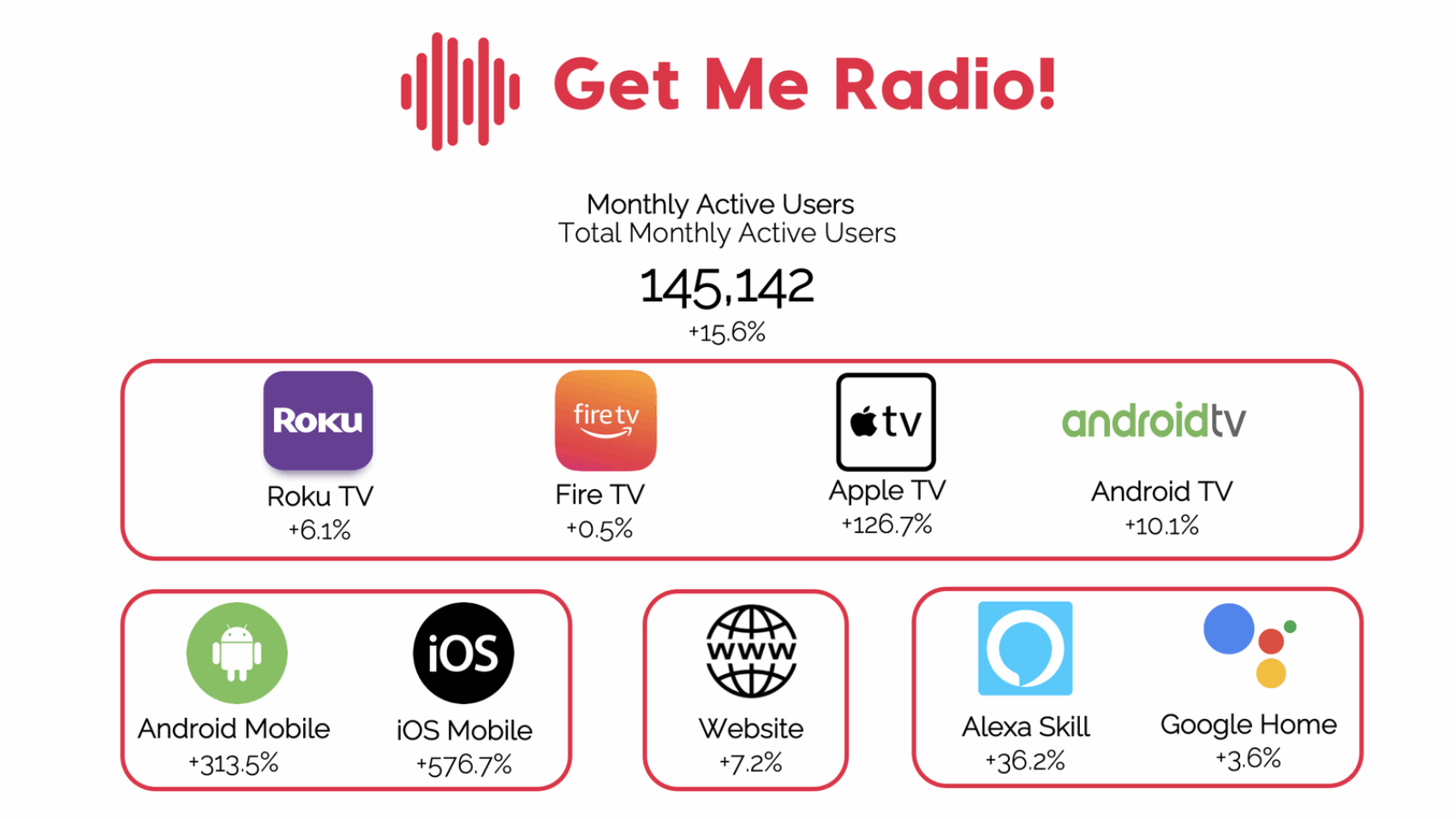
RadioHost is Powering Some of the Best Radio Stations in the World
Source: RadioHost is Powering Some of the Best Radio Stations in the World